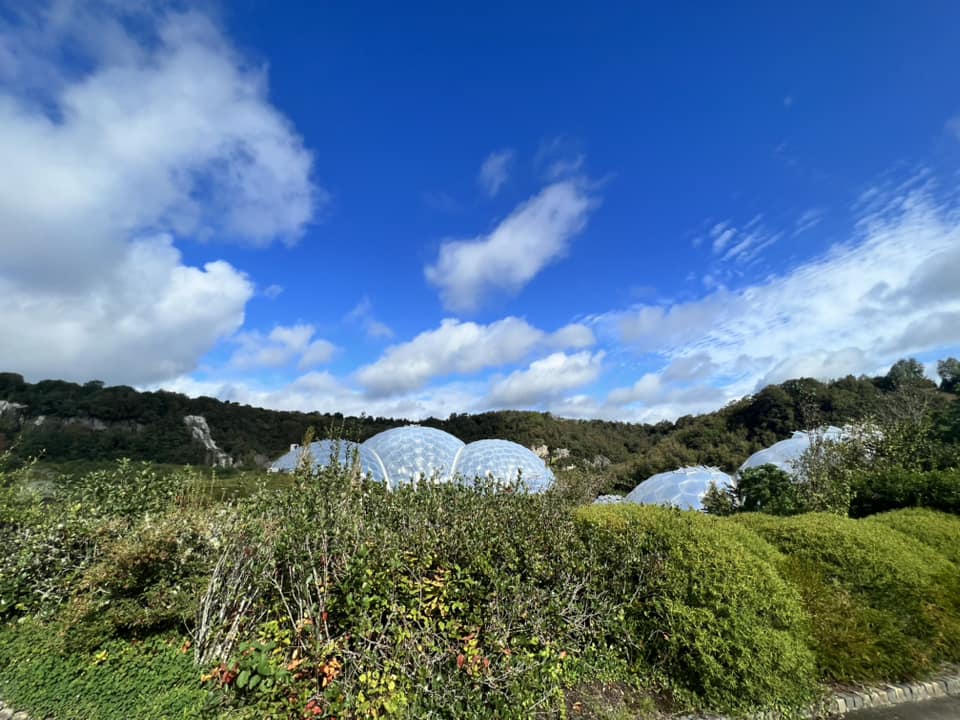
Nestled in the heart of Cornwall, the Eden Project is a remarkable ecological park that has become a symbol of environmental conservation and innovation. Aside from my concern and interest on helping conserve Mother Earth, I’ve learnt about this park through a photographer who is based in Cornwall whom I have been following in Instragram
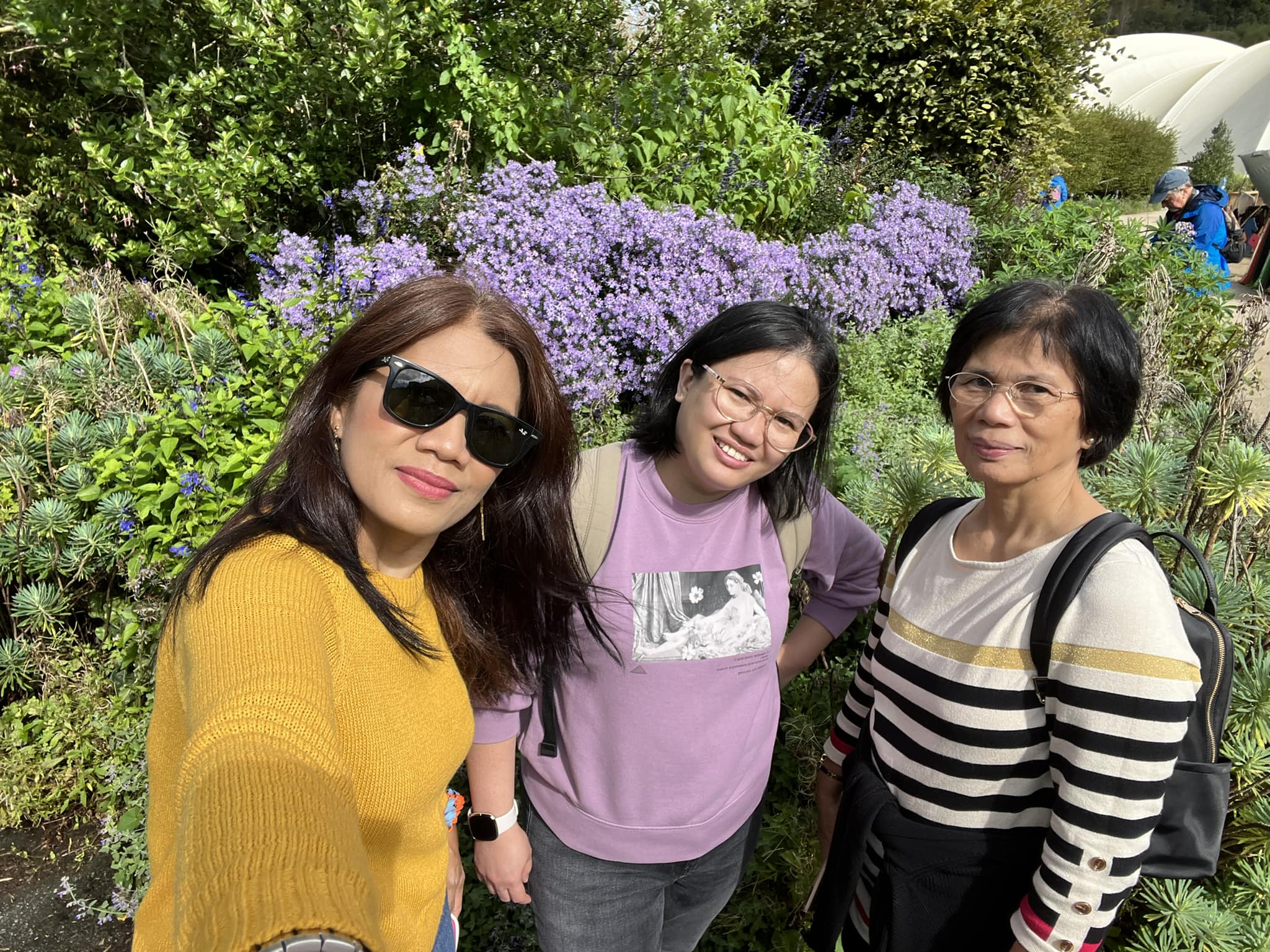
Since its opening in 2001, the Eden Project has captivated millions of visitors, including my cousin and aunt (who are residents in London but haven’t been in this place! ), and I. With its stunning biomes and commitment to sustainability, it is one of the UK’s most popular attractions.
The Vision Behind Eden Project
I was curious how the project started, so I purchased a souvenir book in their shop and read a lot of articles, etc. , according to these sources The Eden Project was conceived by Tim Smit, who envisioned a place where the public could connect with nature and learn about the relationship between plants, people, and the planet! Isn’t that amazing? What is more amazing is the fact that The project transforms a former clay pit into a lush oasis, showcasing the importance of biodiversity and the need for environmental stewardship. At first, I can’t believe it because it’s a clay pit, and not all plants can withstand growth in clay soil.

History and Design
The Eden Project is designed to be a sanctuary that showcases nature’s beauty while promoting a sense of peace and relaxation. This exquisite garden is not as widely known as some of London’s other parks, but it boasts an array of lush greenery, colorful flora, and meticulously maintained landscapes which makes it worth a visit. I have visited several gardens in London and other areas in UK but this I am telling you is of different level.
It is not just another garden; it embodies a vision of sustainability and harmony with nature. Established in the early 21st century, the garden was conceived as a community space aimed at bringing people closer to nature and fostering a sense of community. The design incorporates elements from various gardening styles, combining the structured elegance of formal gardens with the free-spirited beauty of cottage gardens.
The pathways meander through vibrant flower beds, offering visitors an enchanting journey filled with the sights and sounds of nature. Seasonal blooms ensure there is always something new to marvel at, making it a destination worth visiting throughout the year.
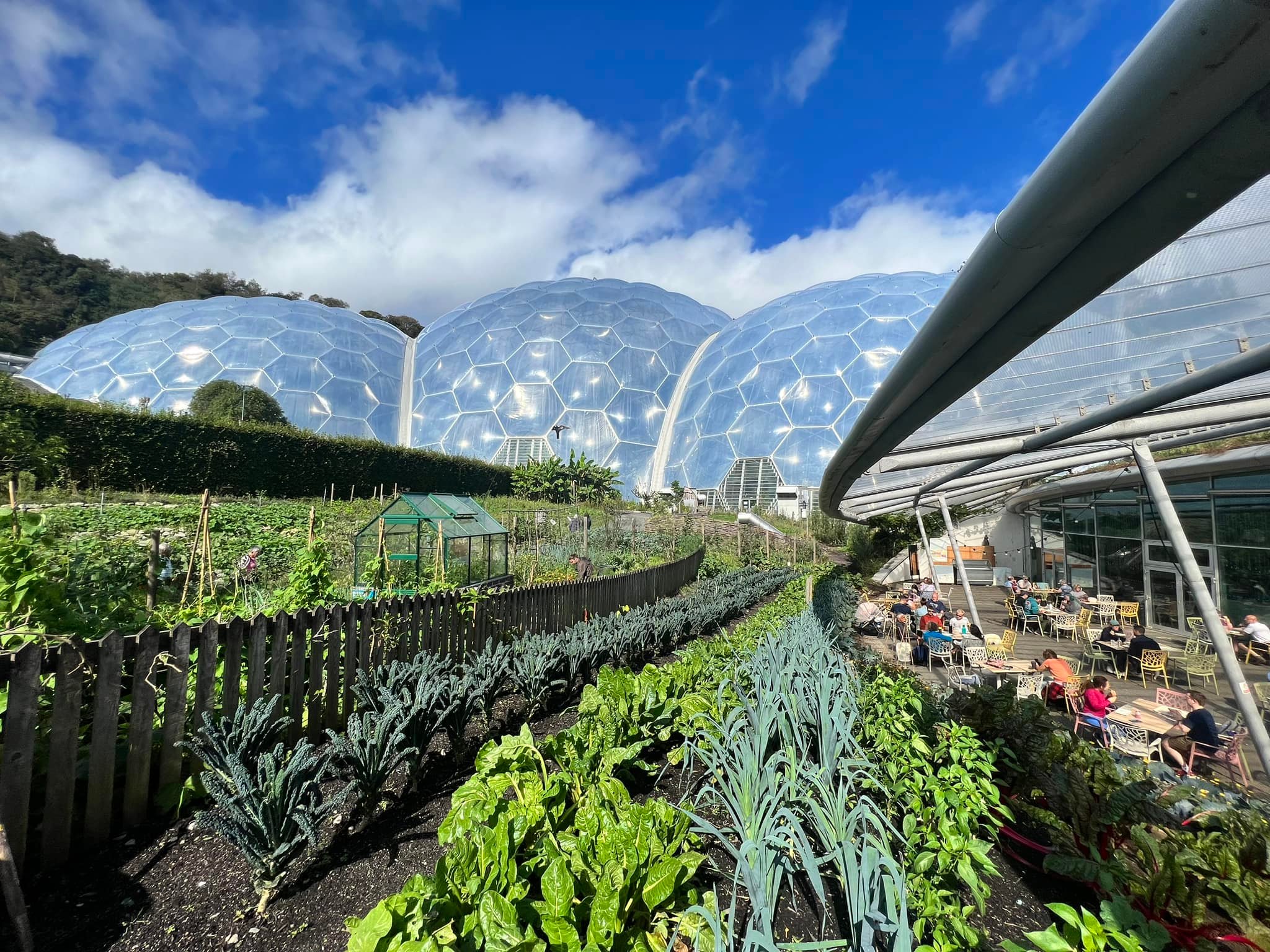
Features of the Garden
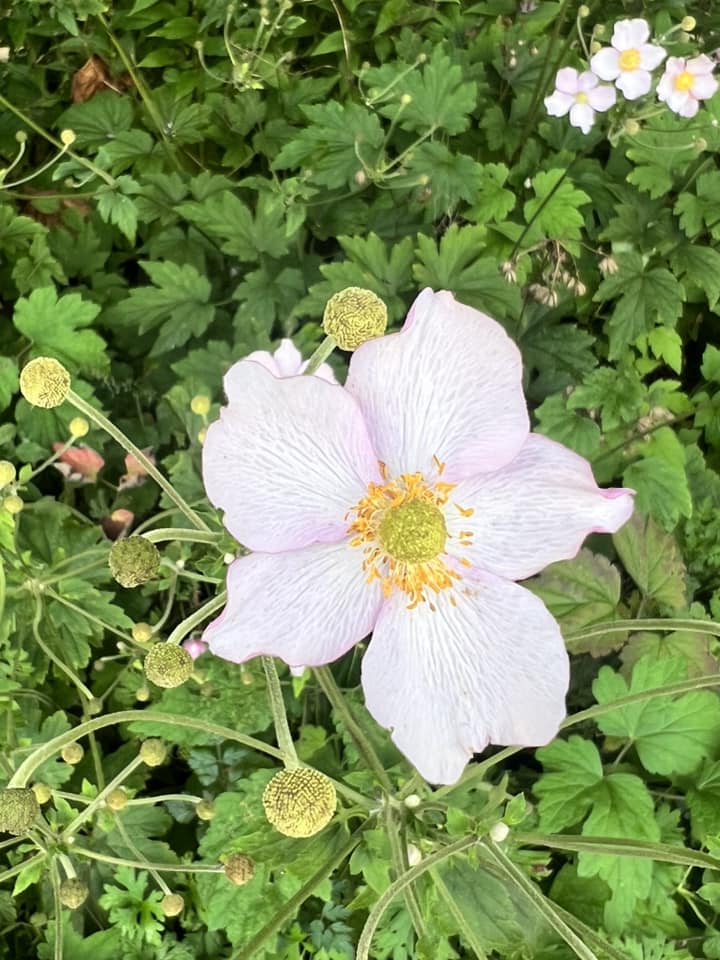
The diverse flora and fauna is one of the highlights of Eden Project. From the surprising towering trees to delicate shrubs and flowering perennials, the garden boasts a rich variety of species from different countries and regions that attract both visitors and local wildlife. Birds, bees, and butterflies can often be seen flitting around, adding life to this peaceful retreat.
The garden is is designed with community in mind as there are a lot of community spaces in the area. There are several areas perfect for gatherings, picnics, or simple moments of reflection. There are benches scattered throughout providing comfortable spots to sit and enjoy the beauty of the garden or rest especially when your feet are already aching and tired from walking The place though has a lot of visitors is huge enough to provide a tranquil spot to relax and enjoy a book.
In addition to being a beautiful space, Eden Gardens takes an active role in educating the community about horticulture and sustainability. through their educational programs. Various workshops and events are held throughout the year, offering visitors the opportunity to learn more about gardening, plant care, and the importance of biodiversity. These initiatives are aimed at fostering a deeper connection to nature and promoting eco-friendly practices. It’s unfortunate though that my i’m only staying for couple of weeks in the country, else I could have enrolled in one of the programs they’re offering.
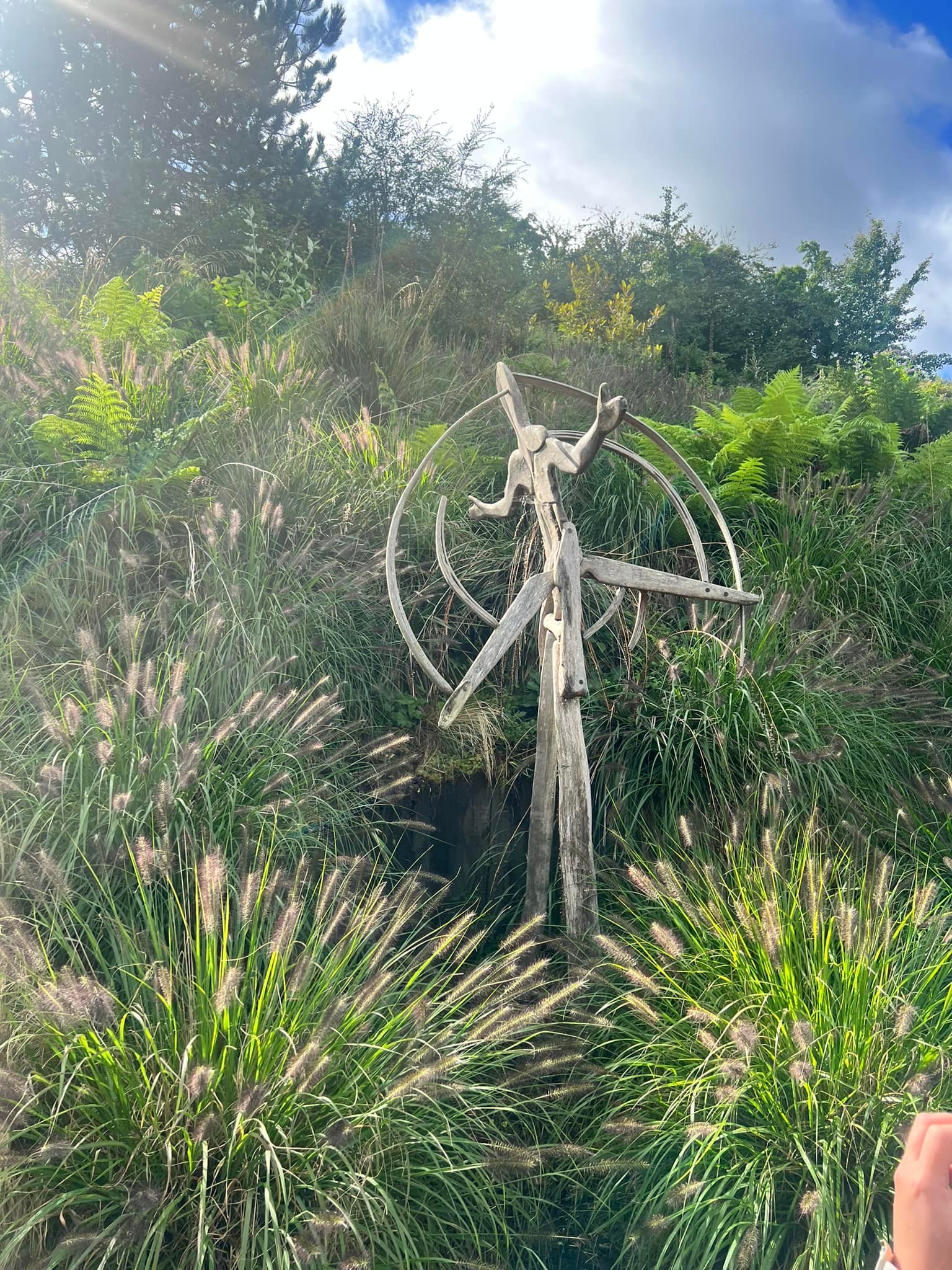
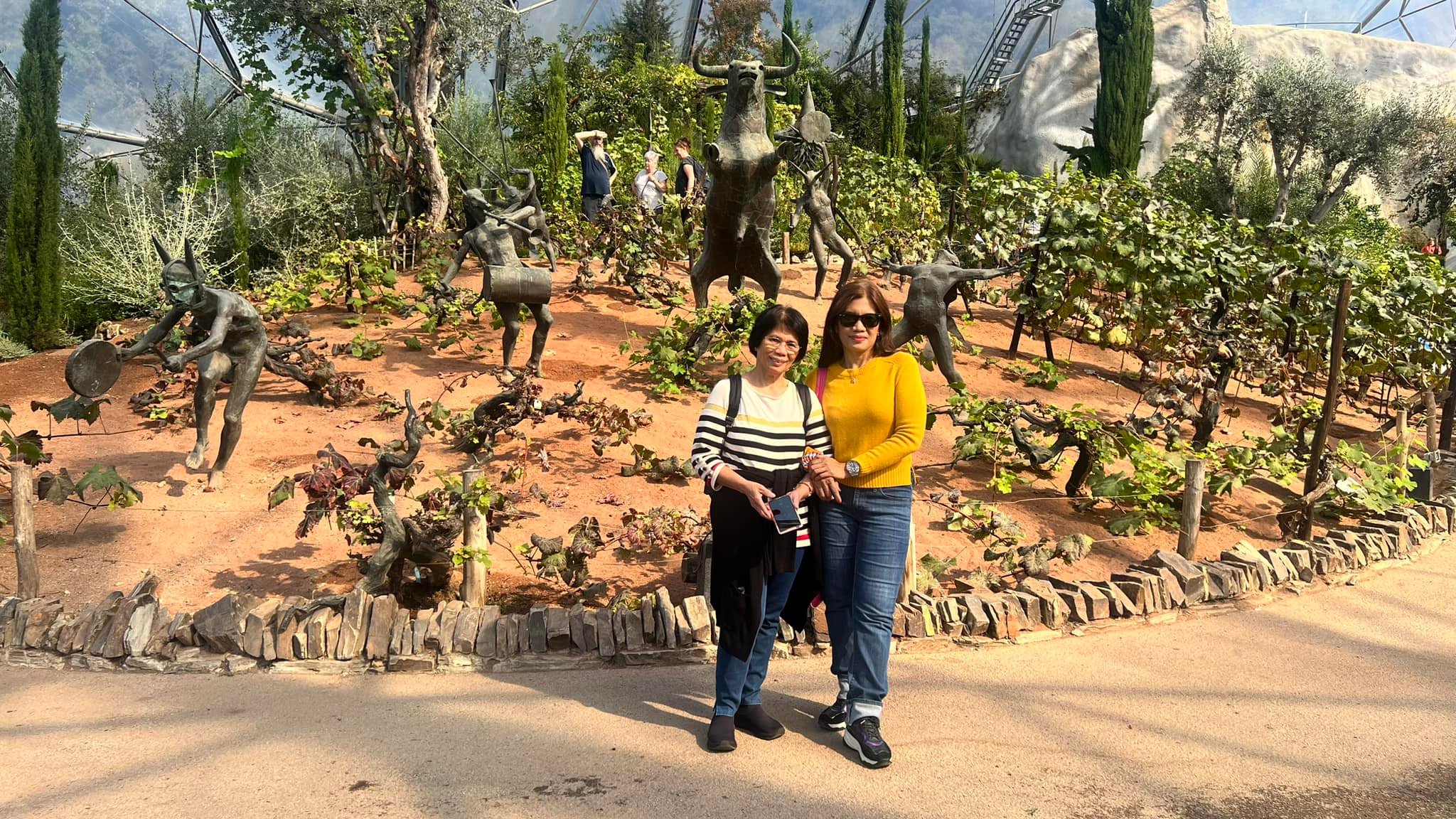
Adding a unique charm to the garden are several curated art installations which I like second to the flora and fauna. The blend of nature and creativity enhances the visitors experience, encouraging exploration and contemplation. These artworks are often themed around environmental awareness and serve as conversation starters among guests.
The Biomes: Architectural Marvel
At the heart of the Eden Project are its iconic biomes—massive geodesic structures that house different climatic environments. There are two main biomes:
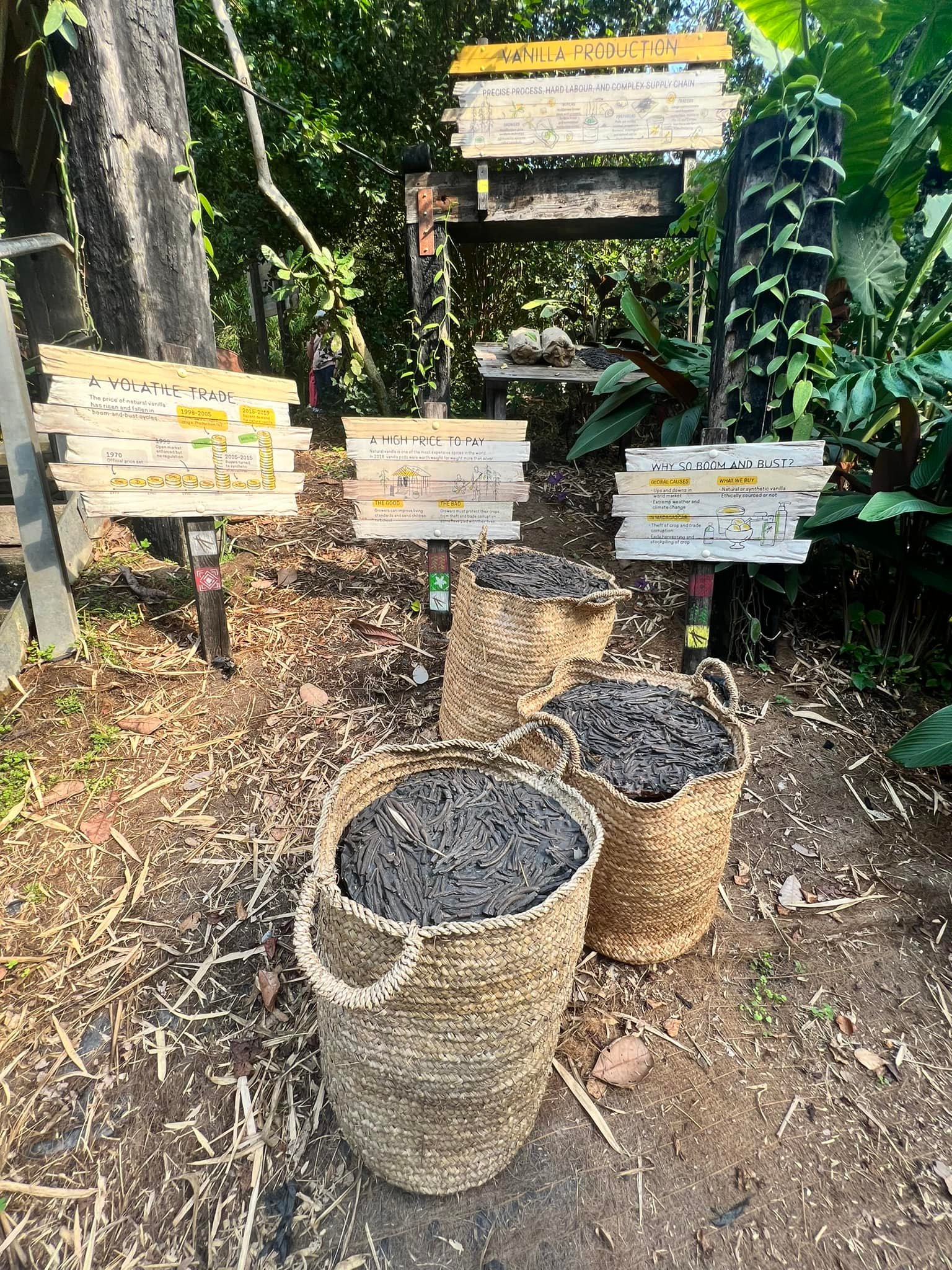
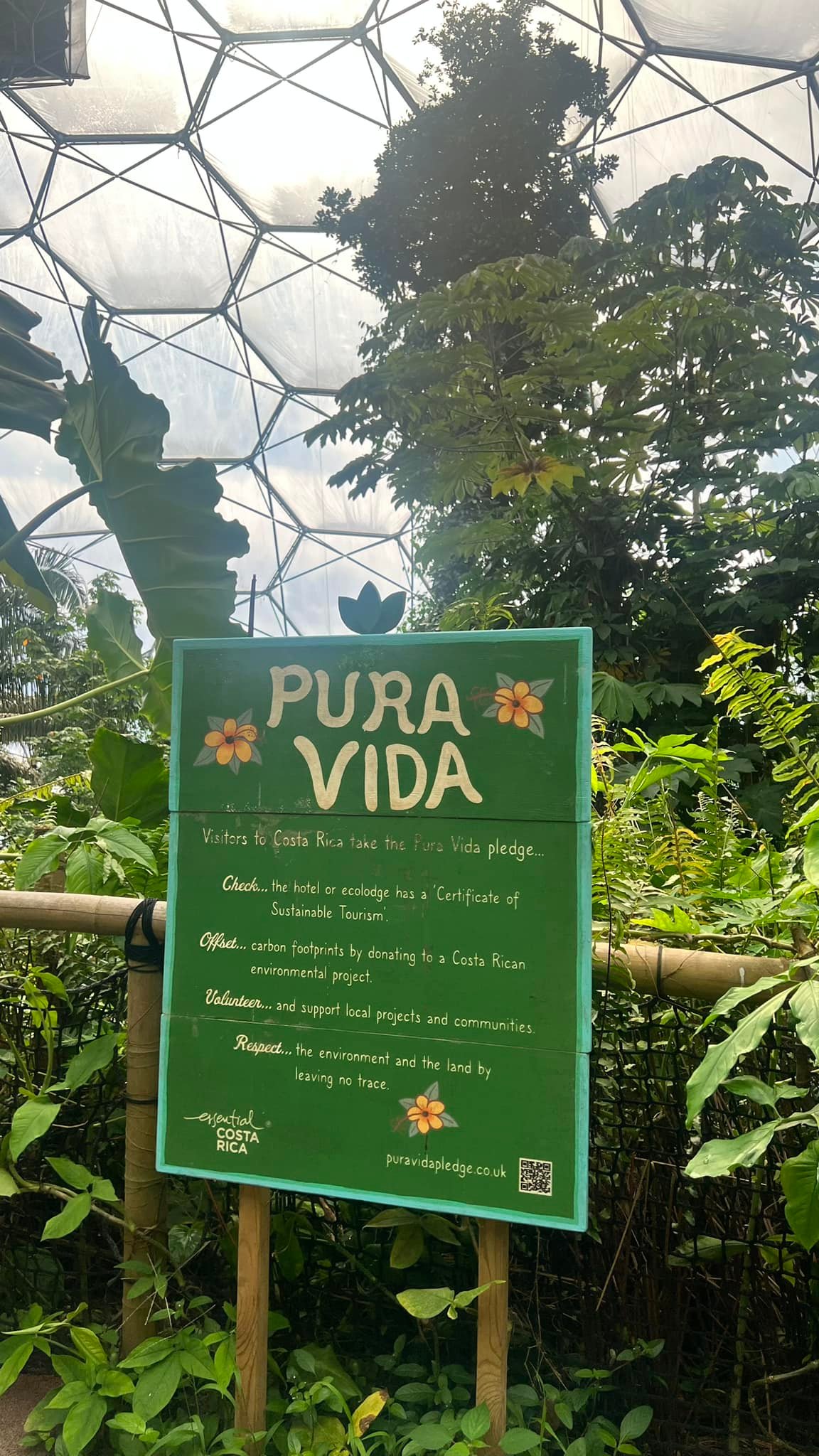
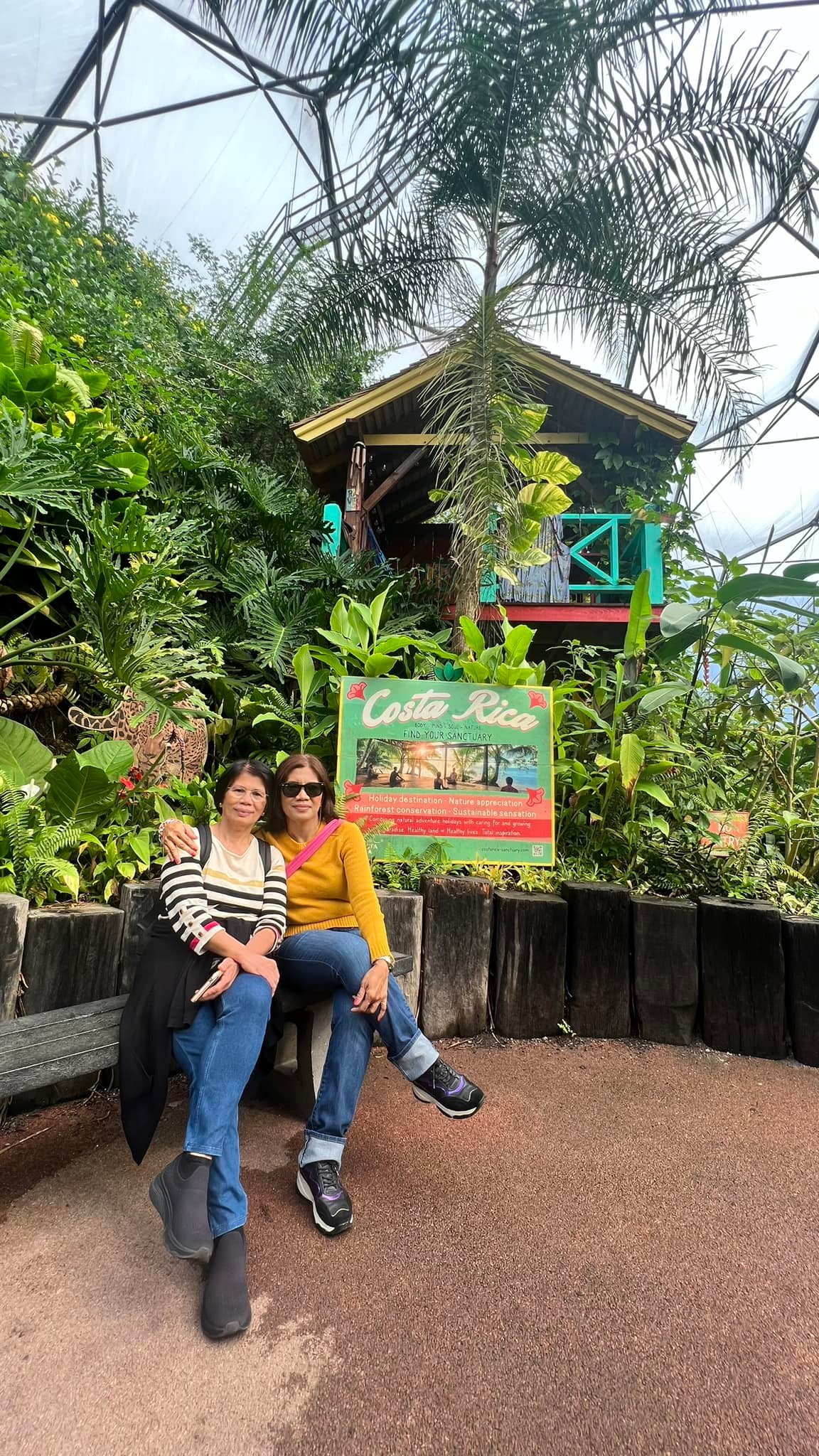
The Rainforest Biome: Spanning over 1.5 acres, this biome replicates a tropical rainforest ecosystem. With towering trees, exotic plants, and cascading waterfalls, it presents a vibrant and immersive experience. Visitors can stroll along elevated walkways and discover a myriad of plant species, from cocoa and rubber trees to orchids and medicinal plants.
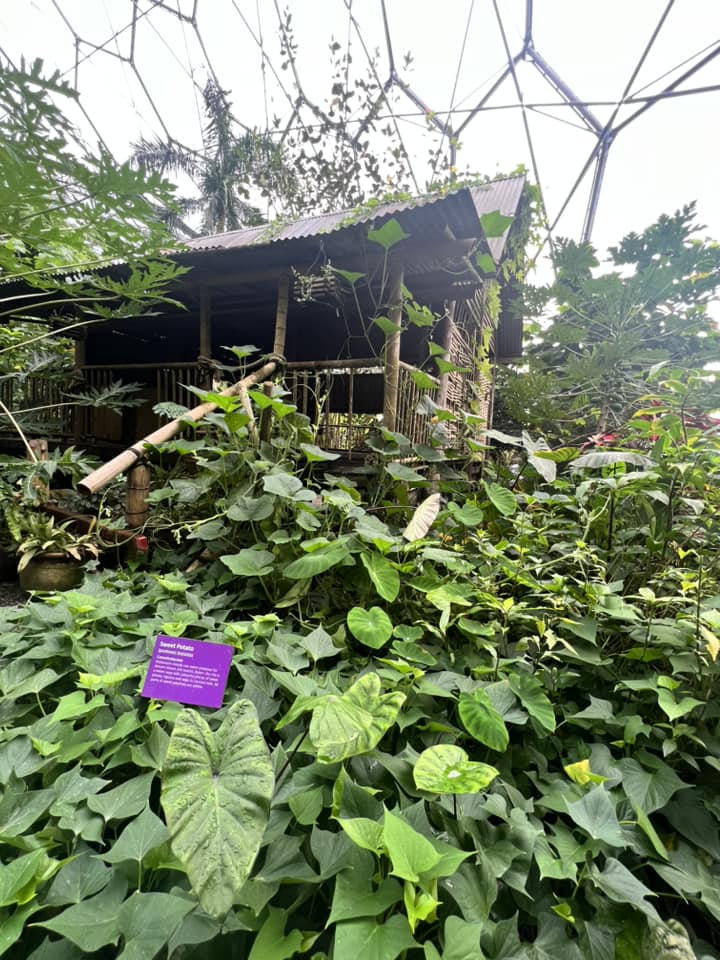
My personal favorite, why, because in here I saw plants that are from my home country the Philippines! We were in awe and happy to see Philippine flora thriving in the garden, and amazingly there’s even a nipa hut in the heart of the rainforest! I had a great time naming all the plants native from Philippines and Asian countries while walking in this region.

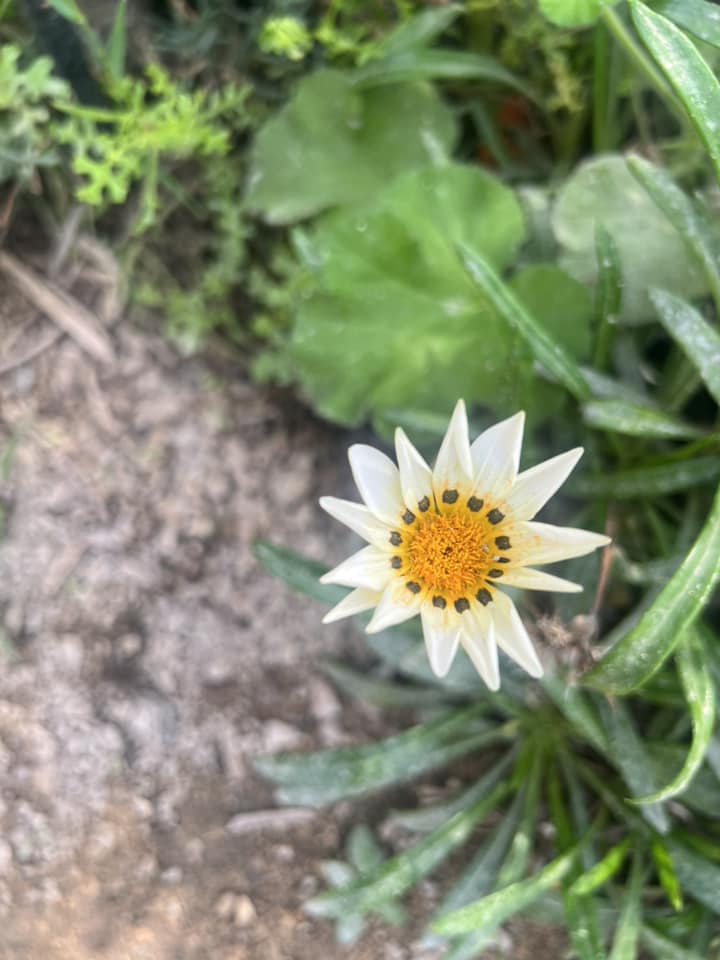
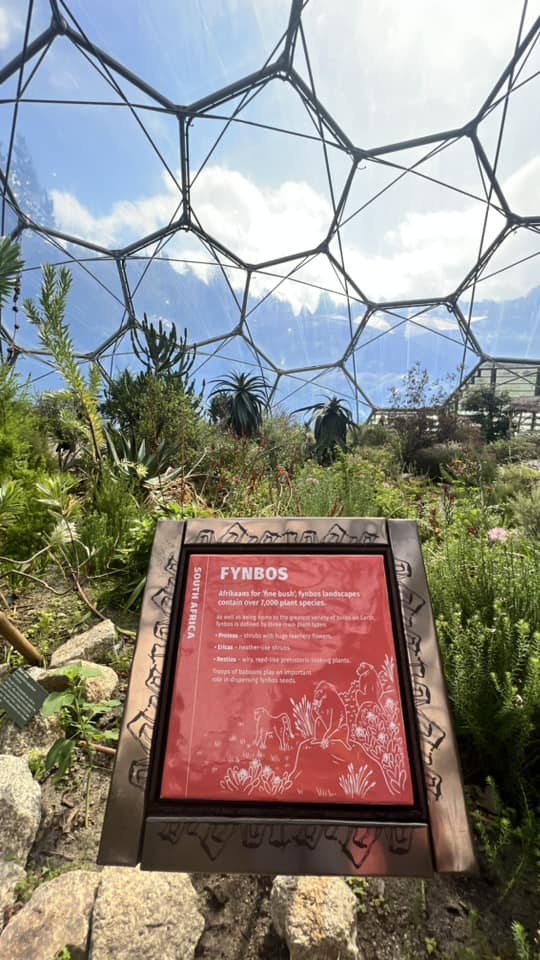
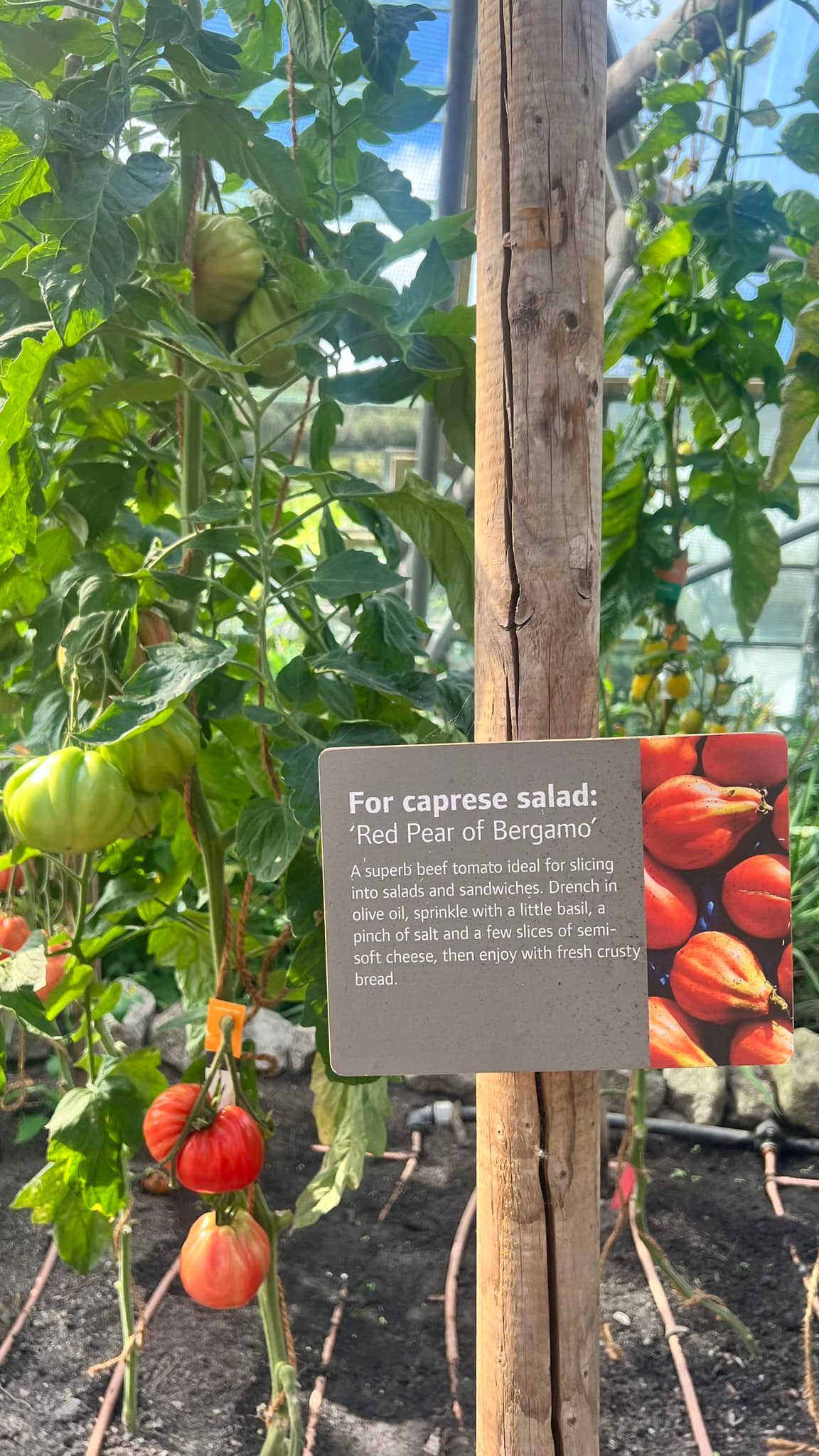
The Mediterranean Biome: In contrast to its tropical counterpart, the Mediterranean Biome showcases plants from temperate climates, including regions like California, South Africa, and Australia. Here, you’ll find a variety of aromatic herbs, olive trees, and colorful flowers, emphasizing the diverse ecosystems found around the world.
Touring the two biomes is like circumnavigating earth, visiting one region to another by foot and in just little under 2-hours (if you walk real fast and not stopping to take photos or rest).
Visiting The Eden Project
The Eden Project is located near St Austell in Cornwall, making it easily accessible by car or public transport. With ample parking and facilities for families, it’s an ideal destination for a day out. The park is open year-round, although operating hours may vary seasonally. You may book tickets online at http://www.edenproject.com or buy it on the spot.
Here are some tips for first time visitors like me (I’ve learnt the lesson the hard way)
- Wear Comfortable Shoes: The park is so huge, with lots of walking involved. Comfortable footwear is essential for exploring the biomes and outdoor gardens. Please ladies forget your high heels and stilettos just for a day, if you wear them you may not even explore all biomes and just head for the exit
- Plan Your Visit: Check the events calendar on the Eden Project’s website to align your visit with special activities or exhibitions. Sometimes there are sections that are closed. Or if you arrive later than 10am because for any other reasons.. you may not have enough time to enjoy the beauty of the garden.
- Explore the Surrounding Area: Cornwall is known for its stunning landscapes and coastline. Consider extending your trip to discover nearby attractions (that is if you still has time) such as the Lost Gardens of Heligan or the picturesque village of Mevagissey. My personal favorite though is the idyllic landscape of St.Ives
Conclusion
The Eden Project in Cornwall is more than just a botanical garden; it is a celebration of nature, sustainability, and human creativity. By visiting, you join a global community dedicated to exploring and protecting the natural world.
Experience the breathtaking diversity of life, immerse yourself in the beauty of the biomes, and leave inspired to make a positive change for our planet. Whether you’re a nature enthusiast, an art lover, or simply seeking a unique experience, the Eden Project is a destination that’s sure to leave a lasting impression.
 Niceties Of Life
Leave a comment