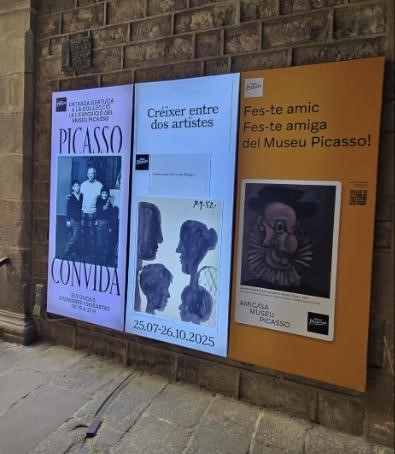
You know that feeling when you just can’t stop clicking the shutter? That was me, totally lost in the Picasso Museum in Barcelona.
I moved from room to room. My phone was practically glued to my hand. I was trying to capture the wild journey of his paintings.
It wasn’t just about snapping famous works; it was about freezing the moment a brushstroke went from careful and realistic to completely wild and new. Every photo I took felt like grabbing a little piece of his energy, a way to bottle up the excitement of discovery so I could pour it out all over again the second I got home.
Before I share all my masterpieces, let me share basic and helpful information about the museum should you decide to visit it one of these days.
About the Museum
Located in the heart of the historic La Ribera neighborhood, the Museu Picasso is a cornerstone of Barcelona’s cultural identity. Unlike other collections that focus on his later fame, this museum offers a rare, intimate look at the “origin story” of the 20th century’s most influential artist.
The Museum Setting
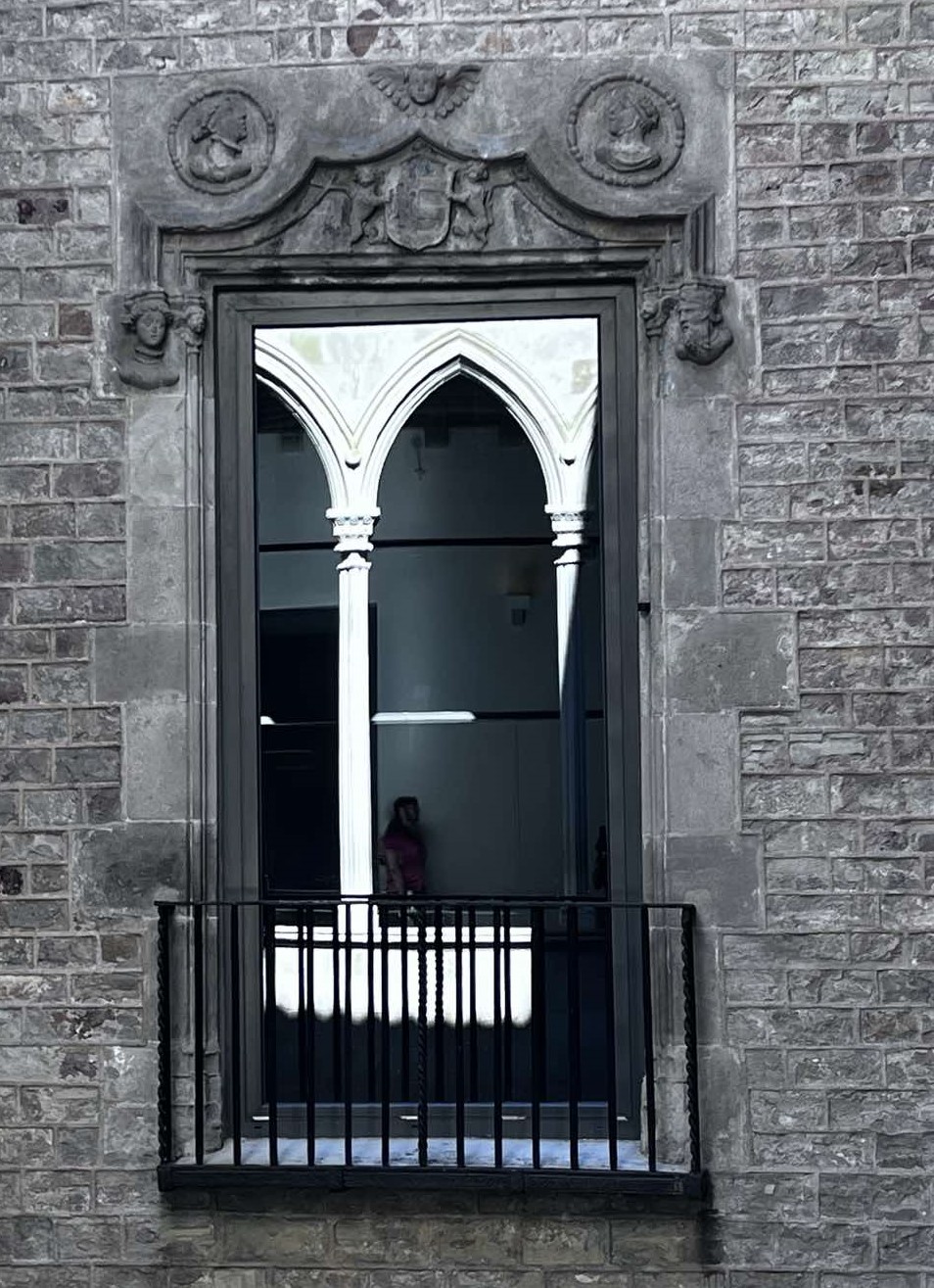
The museum is housed within five adjoining medieval palaces (dating from the 13th to 15th centuries). The architecture alone is a masterpiece, featuring elegant courtyards, grand stone staircases, and traditional Catalan Gothic galleries.
The Collections
With over 4,200 works, it holds one of the most extensive permanent collections of Picasso’s formative years. You can trace his journey from a 14-year-old academic prodigy to the somber reflections of his Blue Period.
Opened in 1963, it was the first museum dedicated to Picasso’s work and remains the only one established during his lifetime. The museum’s layout is chronological. Walking through the galleries feels like reading a visual biography, watching a young boy transform into the pioneer of Modernism.
Practical Visiting Information
The museum is one of Barcelona’s most popular attractions. Planning your entry time is essential. This helps to avoid long queues. It also ensures you see the world’s most complete collection of Picasso’s early works.
- Tickets & Booking: General admission typically costs around €14–€15. It is strongly recommended to book timed-entry tickets online in advance, as same-day tickets often sell out during peak seasons.
- Free Entry Days: You can visit for free on Thursday afternoons (usually after 4:00 PM or 5:00 PM) and the first Sunday of every month. Note that you must still reserve these free tickets online in advance.
- Best Time to Visit: To avoid heavy crowds, aim for the first time slot of the morning (typically 9:00 AM or 10:00 AM) or later in the afternoon after 4:00 PM. Weekdays are generally quieter than weekends.
- Opening Hours: The museum is open Tuesday through Sunday, typically from 10:00 AM to 7:00 PM (with extended hours during summer months). It is closed on Mondays and major public holidays like Christmas and New Year’s Day.
Getting There
Located in the historic heart of the city, the museum is best reached by public transit or on foot through the scenic streets of the Gothic Quarter.
- Metro: The closest station is Jaume I (Line 4 – Yellow Line), which is just a few minutes’ walk from the museum entrance on Carrer de Montcada.
- Bus: Several bus lines stop nearby, including the V15, V17, H14, and 47.
- Walking: The museum is centrally located and easily walkable if you are staying in the Ciutat Vella (Old City) area.
Tips for your Visit
Duration: Most visitors spend between 90 minutes and 2 hours exploring the permanent collection and temporary exhibitions.
- Audio Guide: Reviewers frequently recommend the audio guide to better understand the chronological evolution of Picasso’s style and his connection to Barcelona.
- Amenities: Small bags are permitted, but larger backpacks and suitcases must be left in the on-site lockers or cloakroom.
My Favorite Shots
Now to the most exciting part of this story. These are the photos I took while wandering from room to room inside the museum.
Between Me and Art
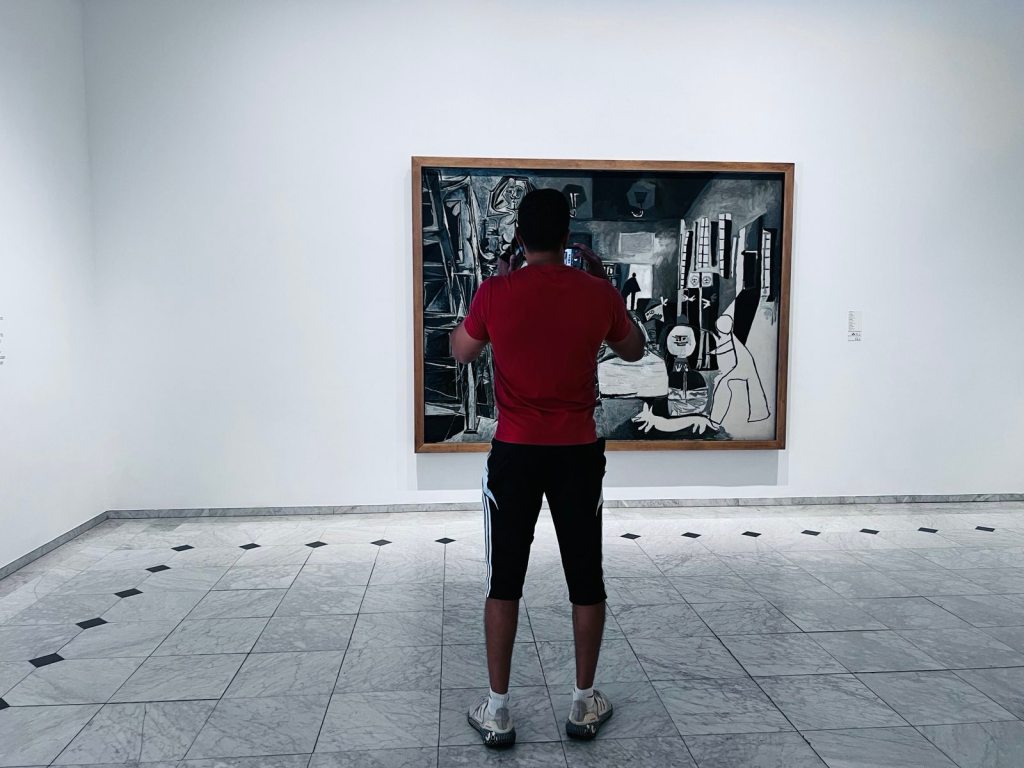
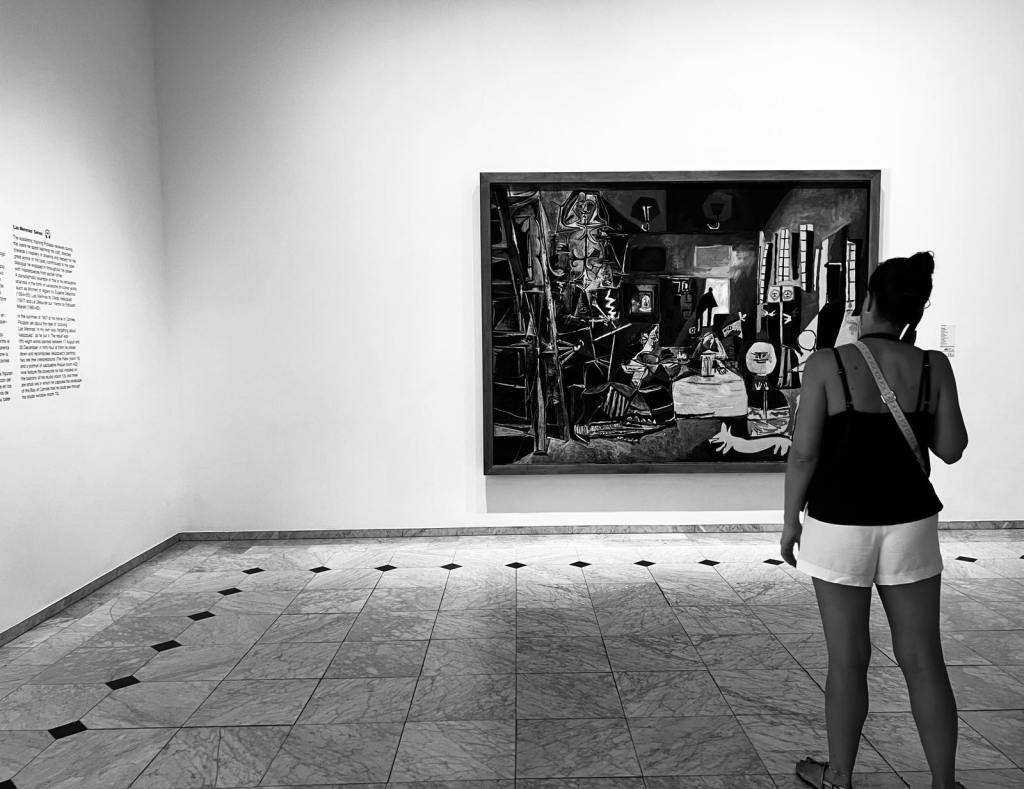
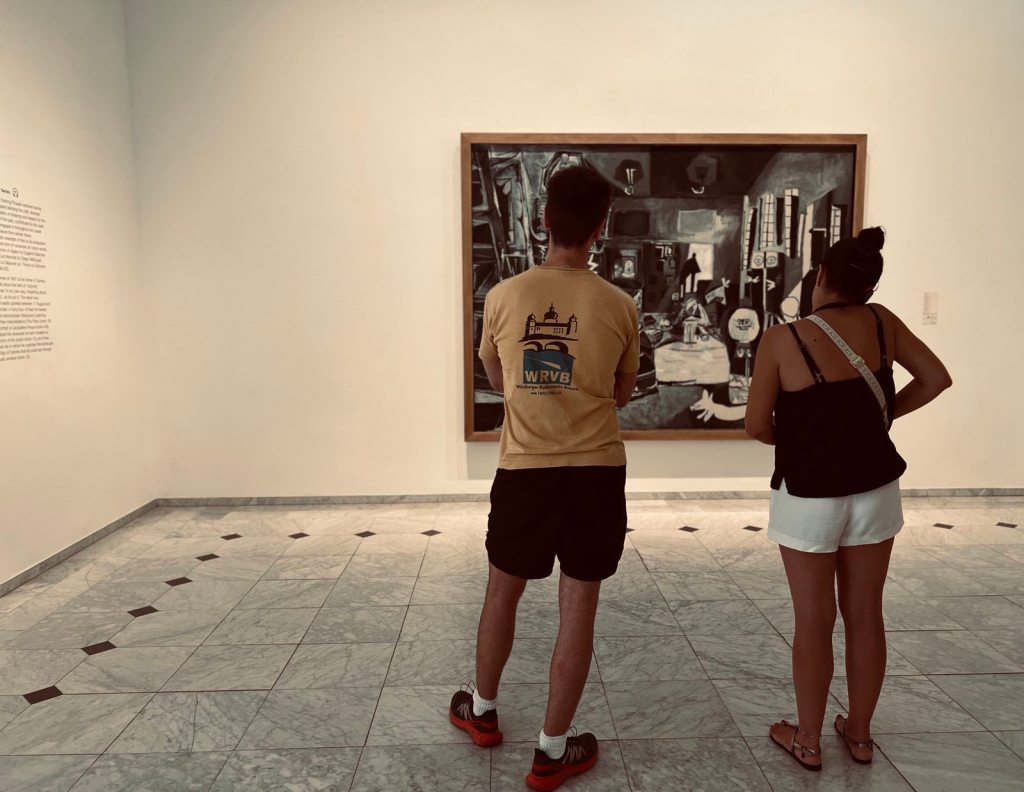
I usually keep ample space when viewing exhibits. I am far-sighted, and being too close does not help. I can’t see the fine details and appreciate them. Still, this happens (see photos below), so the right hemisphere of my brain and my fingers are suddenly fired up. I can help but appreciate what or rather who separates me from art 🙂
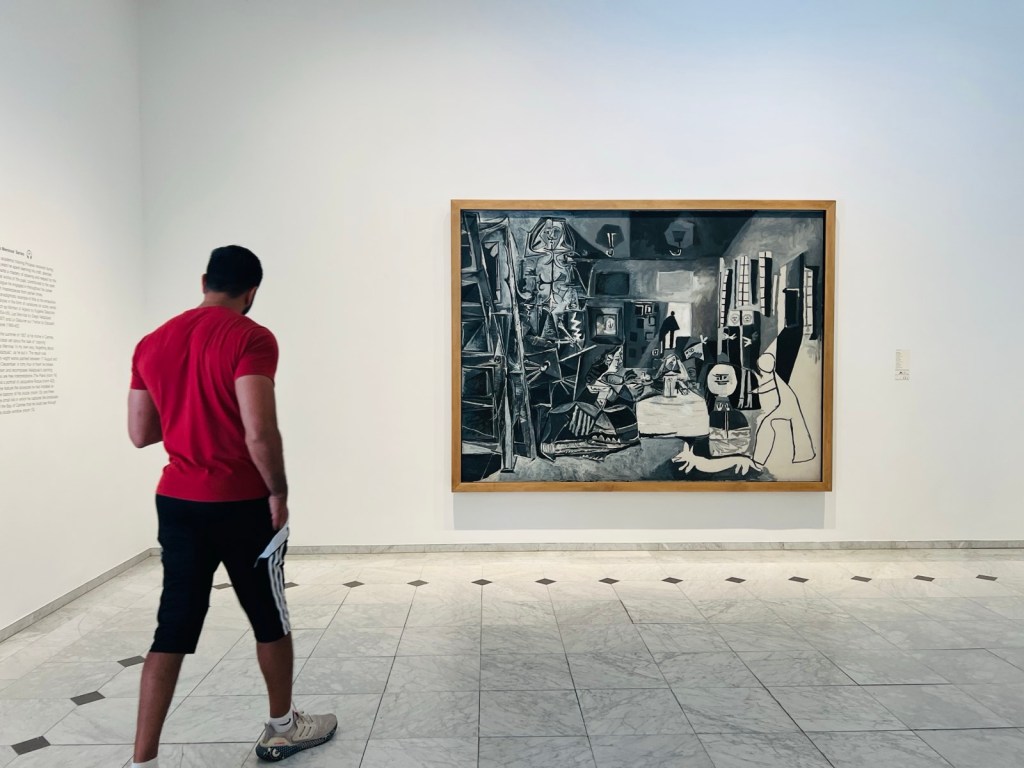
Women and Art
Johann Wolfgang von Goethe, the renowned German poet and philosopher, famously stated, “For the nature of women is closely allied to art.”
Do you agree with his view on the inherent connection between femininity, creativity, and aesthetic expression? I do!
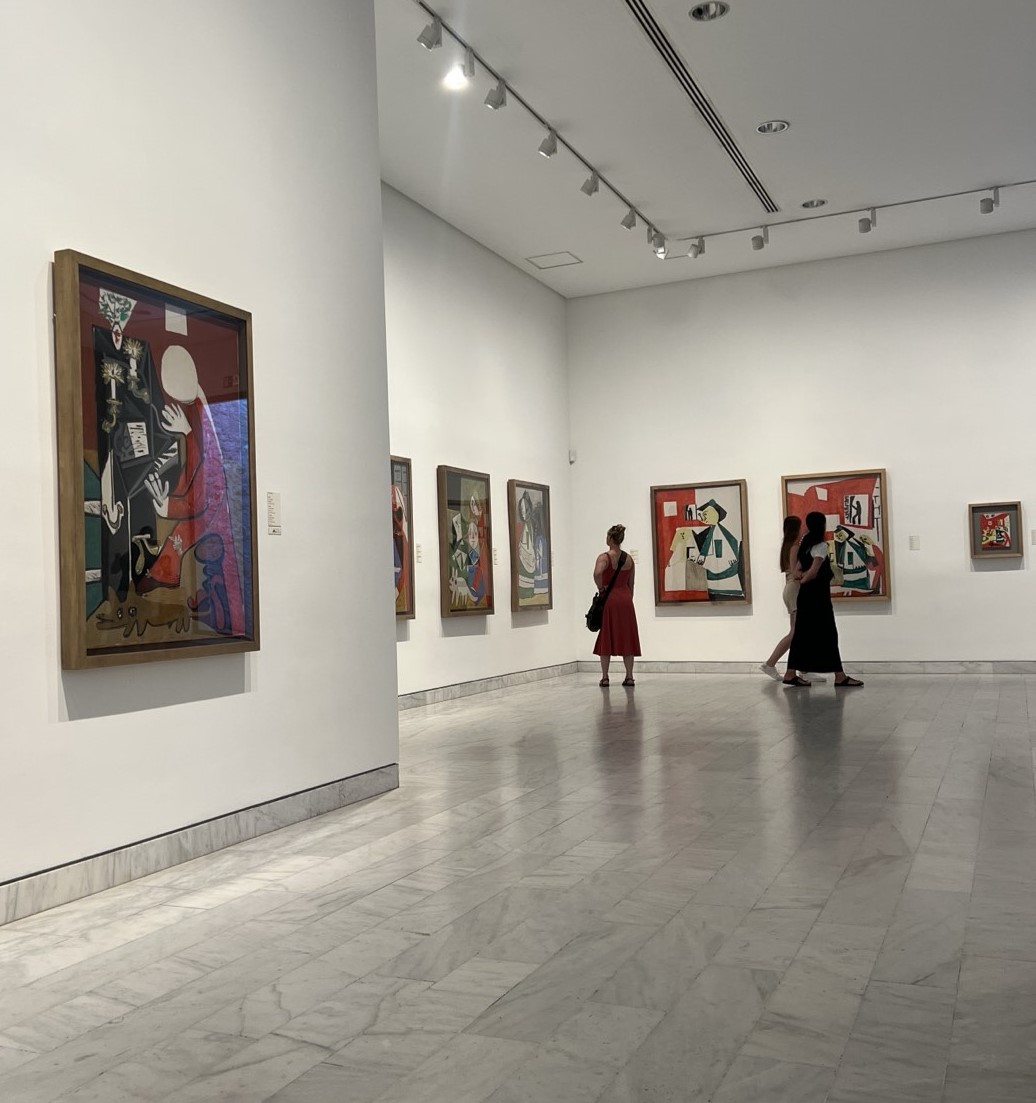
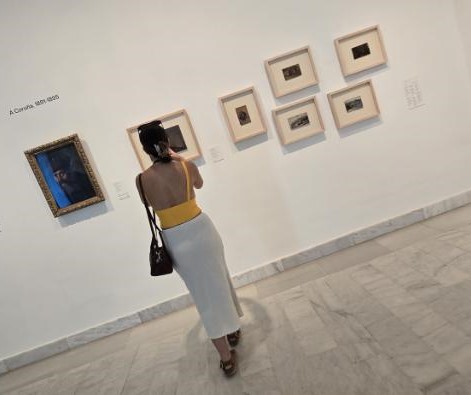
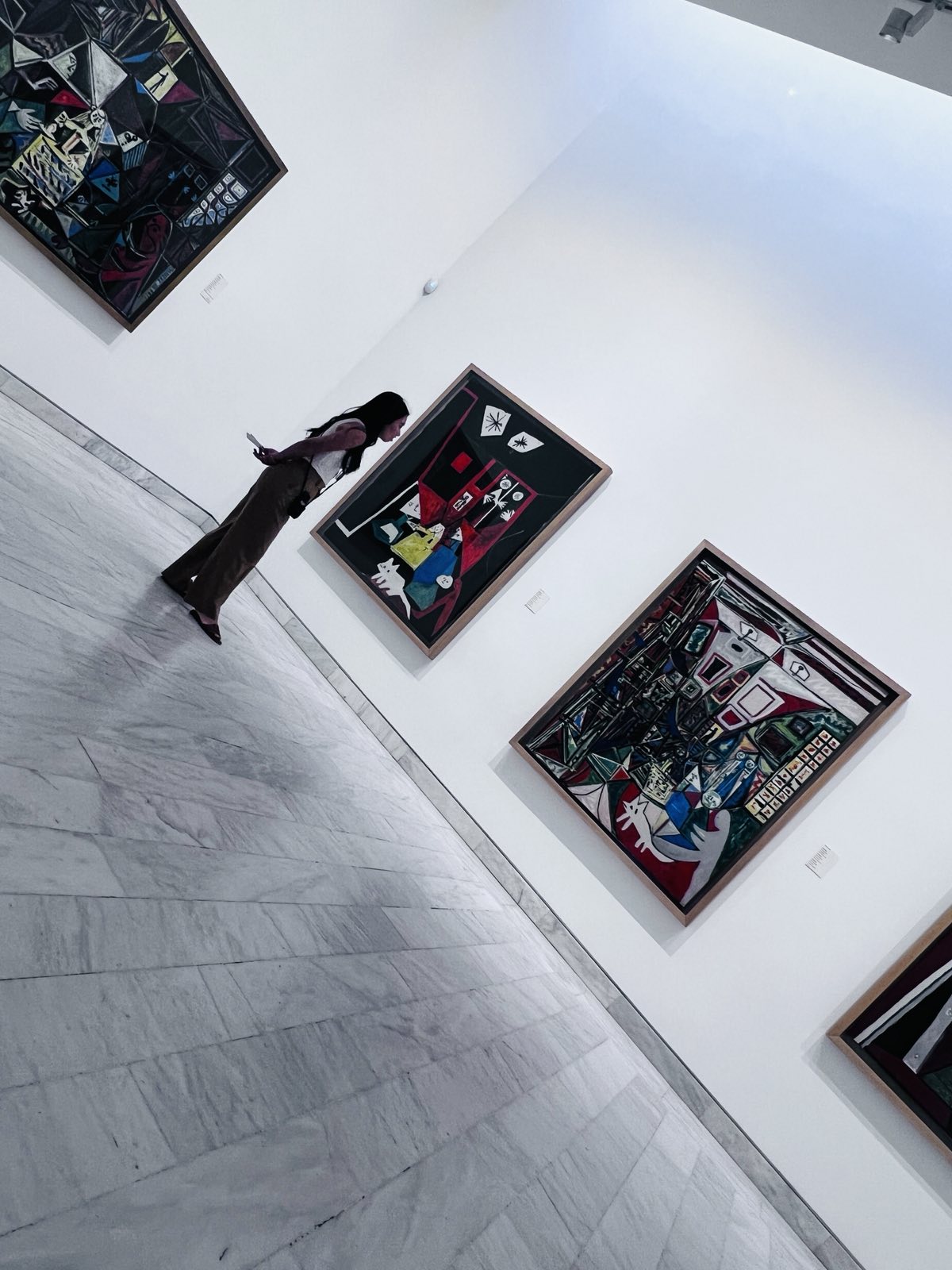
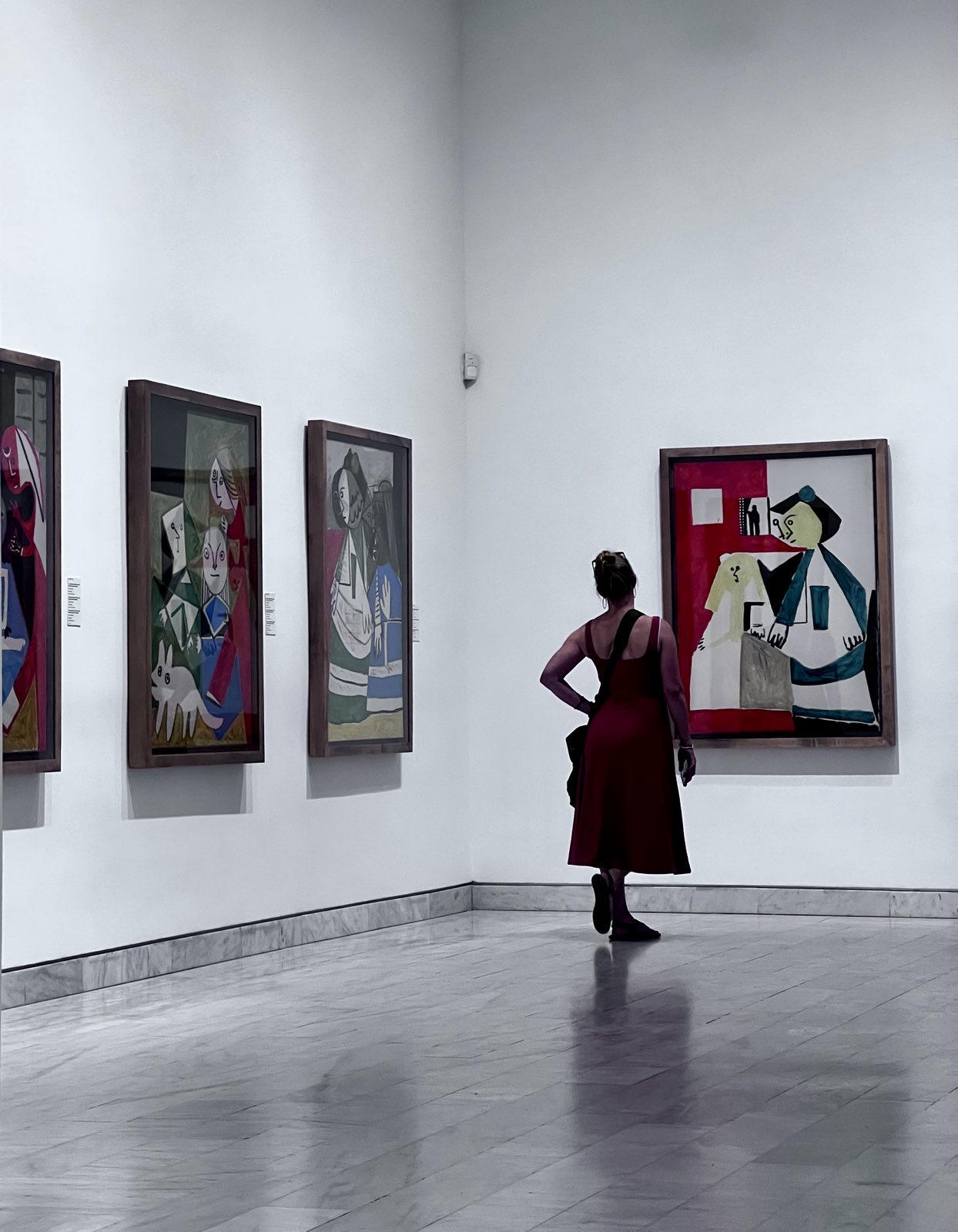
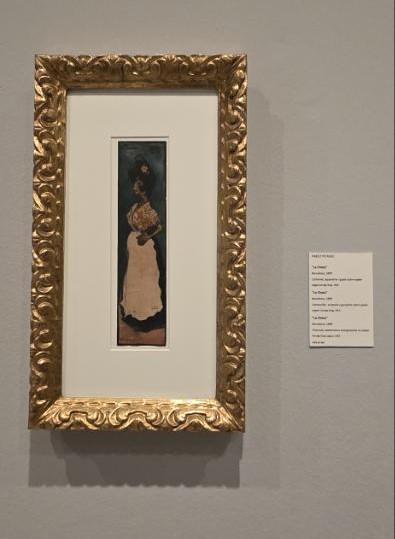
Visual Boundaries
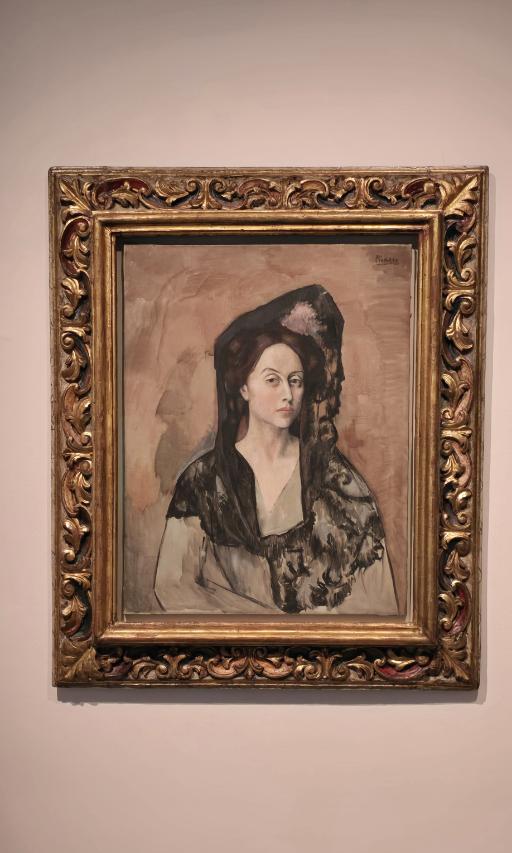
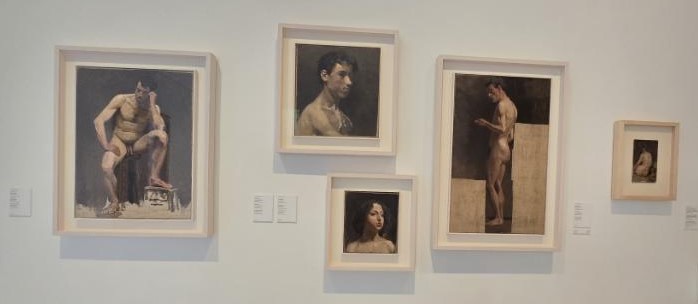
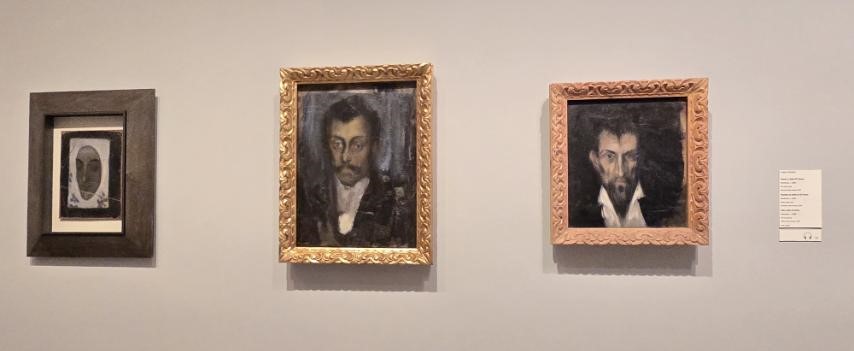
The painting are visually engaging but what really capture and kept my focus on the art itself is the frame. I am always fascinated on frames and I look at them first before anything else.. maybe its just me.. let me know if you do too.
A frame is a visual boundary. It creates a “window to another world” and separates the art from the wall. It forces the viewer, like me, to focus on the content within. This reduces distractions.
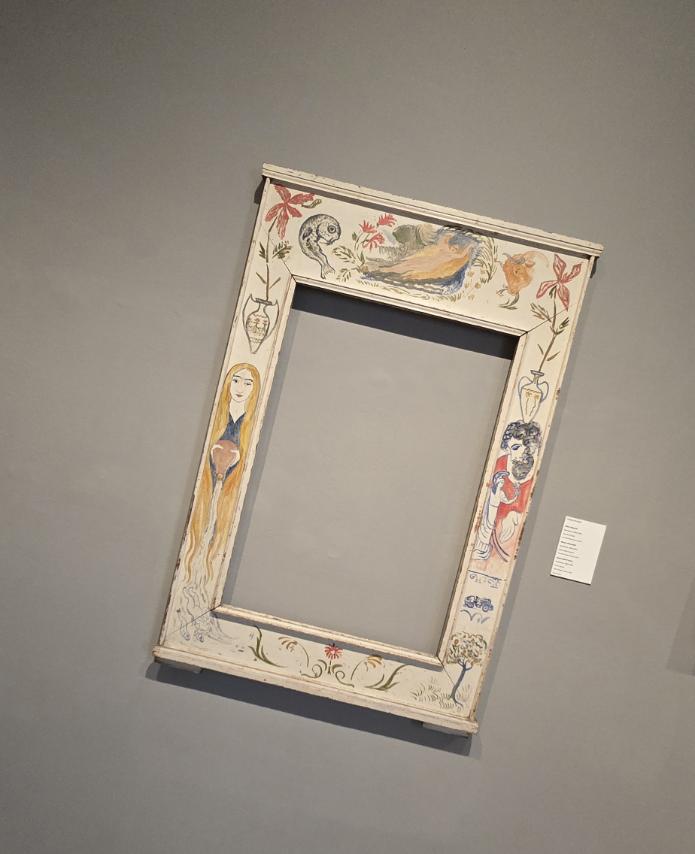
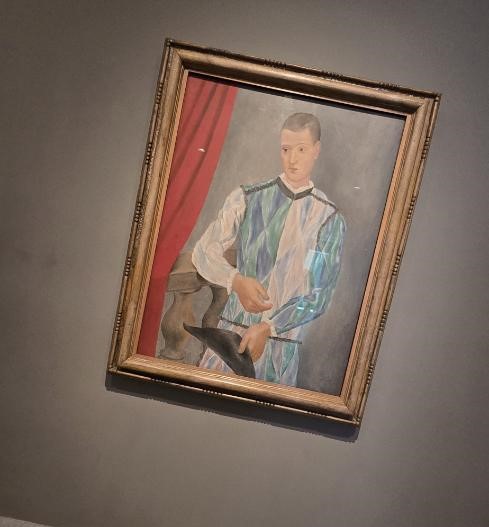
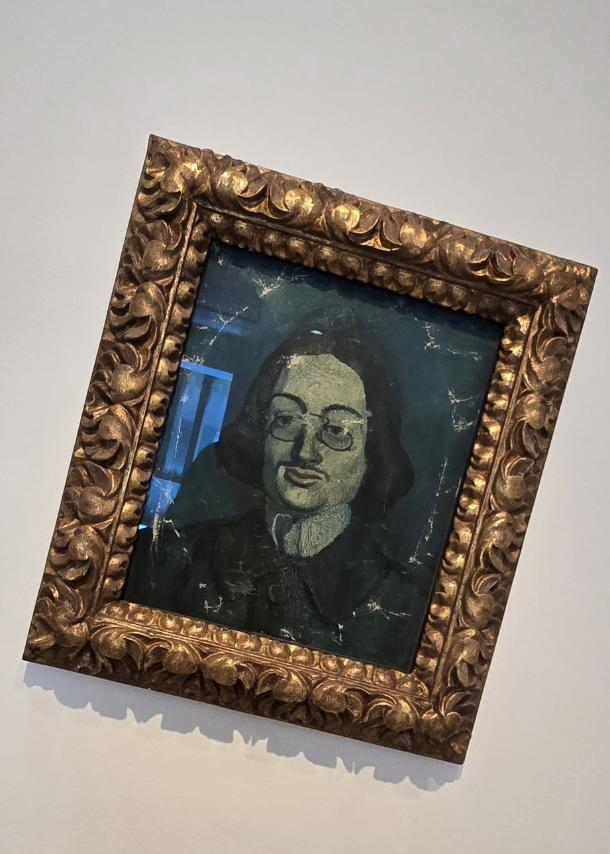
The Watcher and the Watched
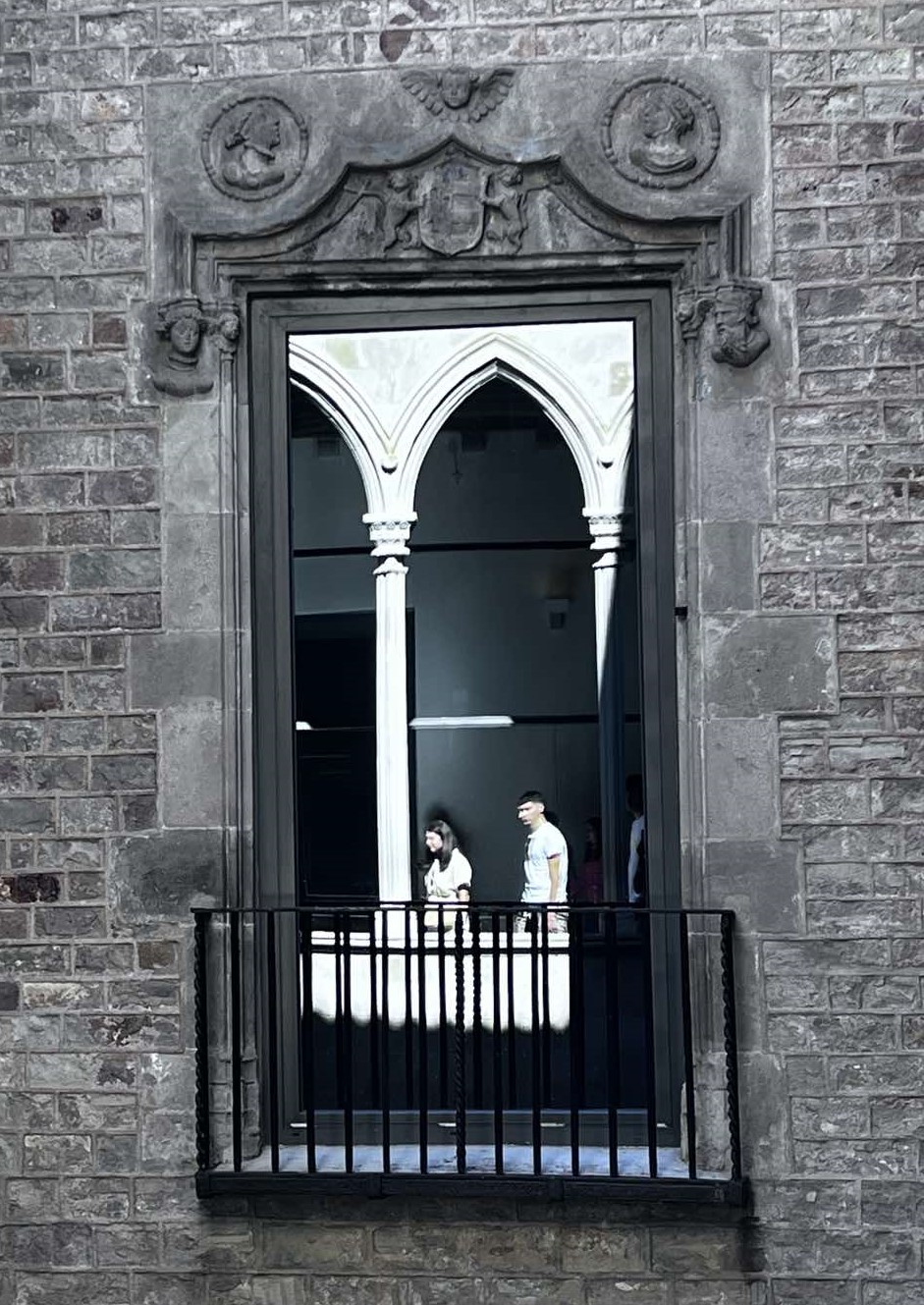
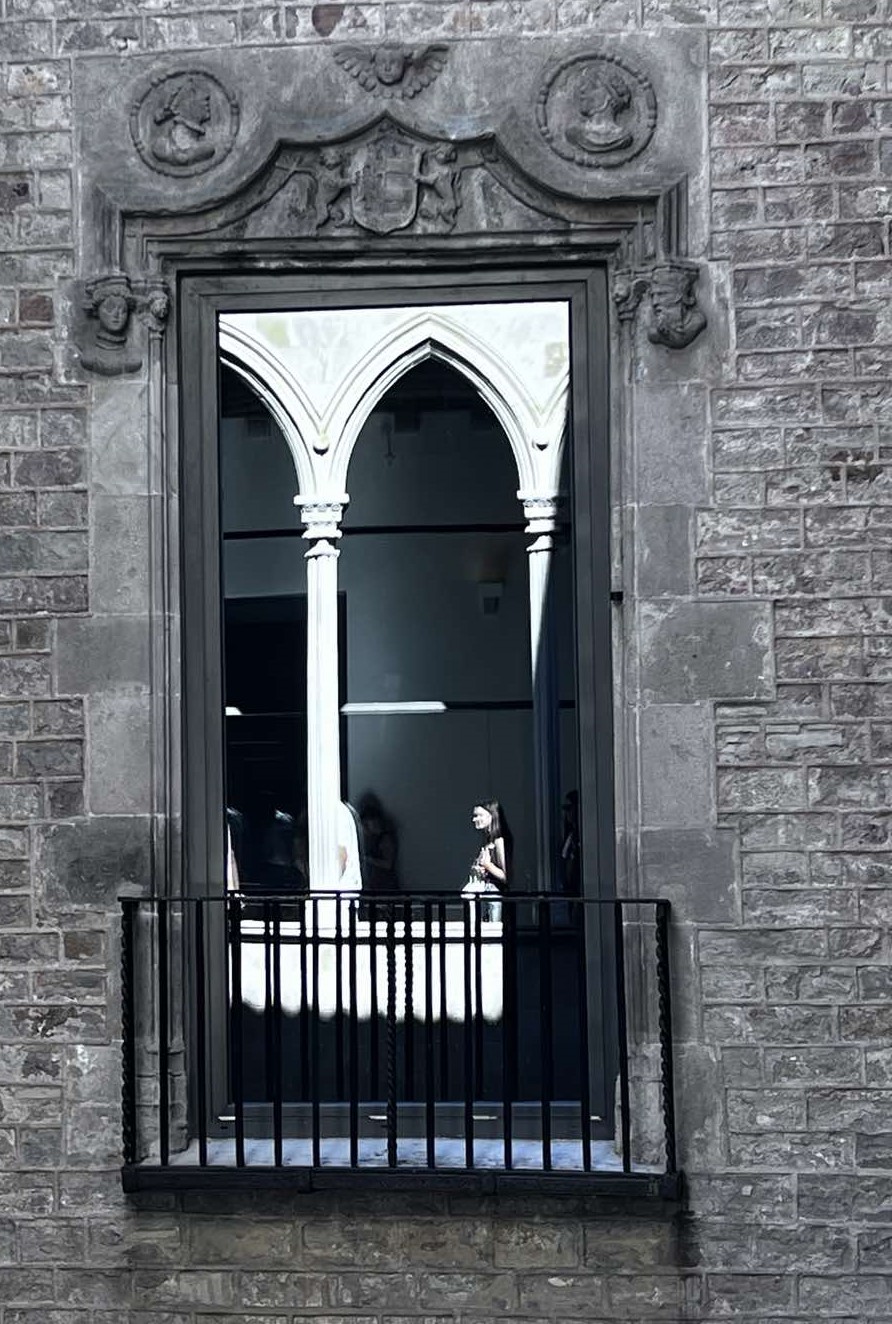
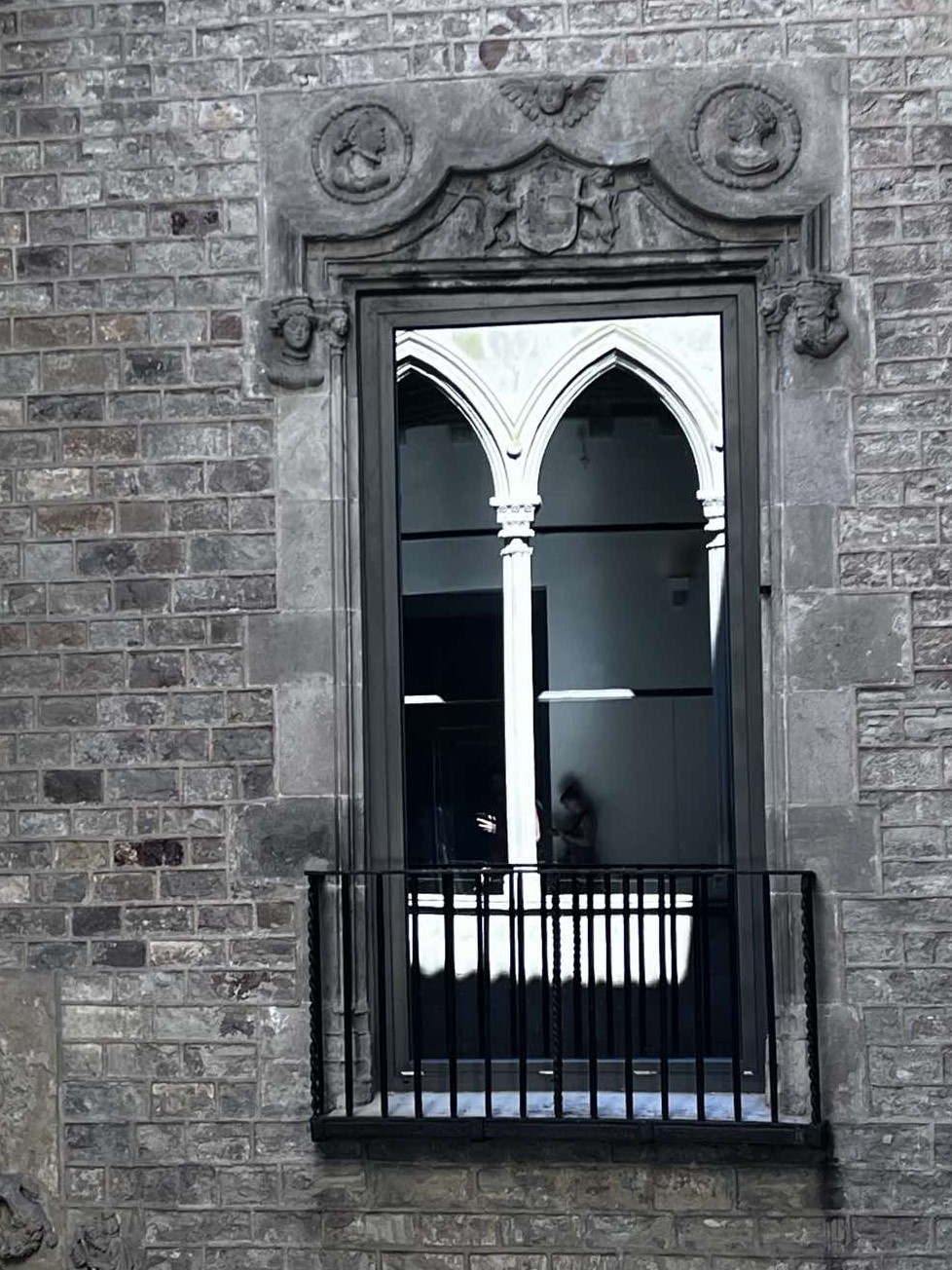
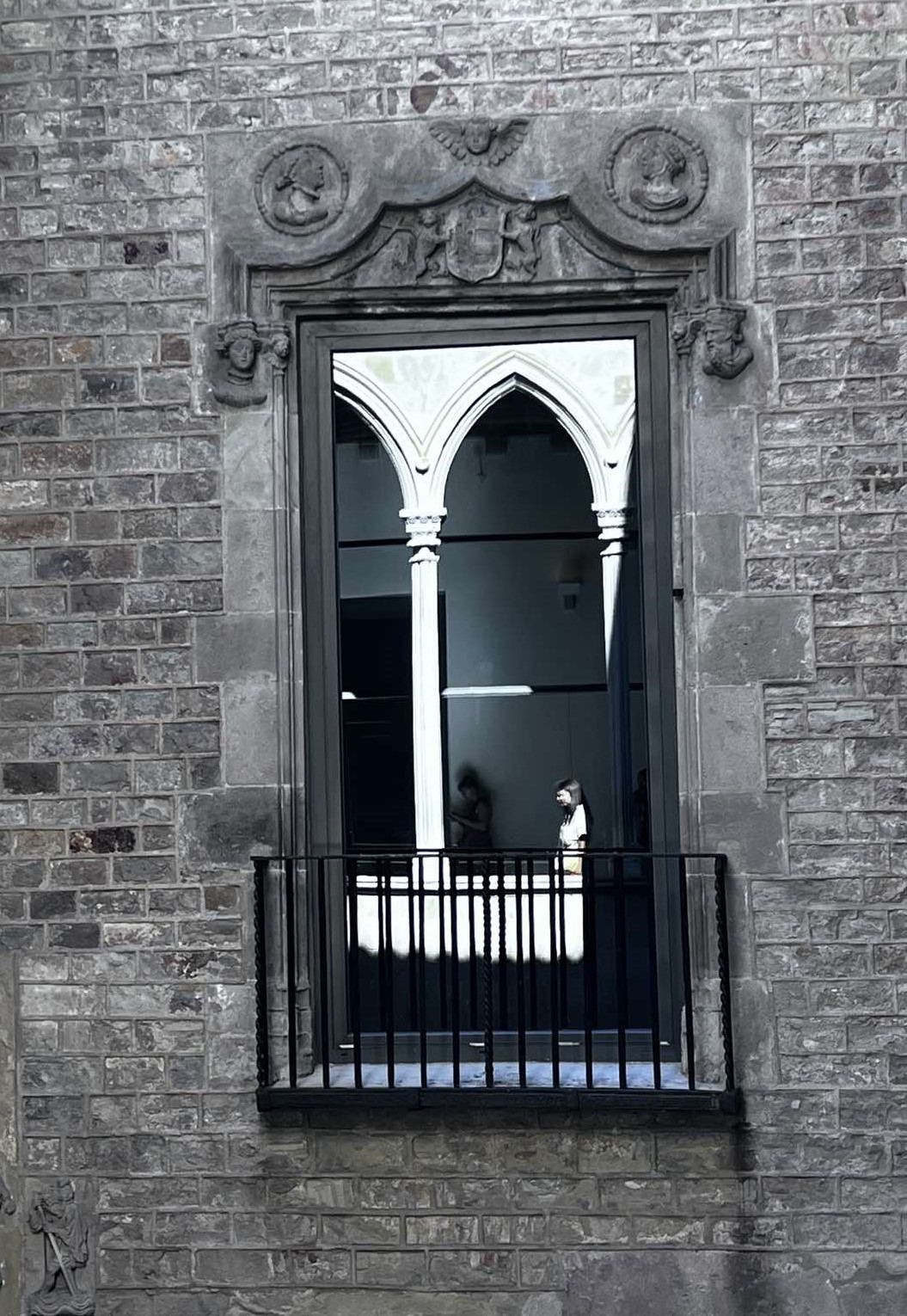
While passing time, giving my feet its much needed rest, I leaned on the wall outside the exhibit hall. My mind is trying to process everything I saw, felt and experienced that day – when I noticed the glass window across the building. There are reflections of people passing in front of me- and alas this is my kind of composition. Reflections!!
For me reflections can distort reality. With right material and angle it create abstract, surreal images that challenge the viewer’s perception. This ability to make the mundane look extraordinary is highly satisfying- honestly I was so satisfied with these shots so decided to share it too… these are kinda mysterious 🙂
Somewhere in those frames you will find me or my reflection. So if you like Where’s Wally Puzzle Book, I bet you will easily find my shadow ha ha
I slipped my phone back into my pocket and took one last look around and leave before I miss my train. My gallery was now bursting with color. There were crooked snapshots of blue periods and chaotic cubism. All of them were slightly tilted because I couldn’t stop smiling long enough to hold the camera straight.
Sure, I could have just bought the postcards, but they wouldn’t capture the way the afternoon light hit that one ceramic, or the exact moment a sketch made me laugh out loud.
My phone memory is now a beautiful, jumbled mess of masterpieces and memories. This proves that sometimes the best way to hold onto a moment is to simply point, click, and let the awe soak in through the lens.
Cheers!
 Niceties Of Life
Leave a comment