The Itinerary That Started It All
Every great adventure starts with a questionable decision made at 7 PM on a Friday. Ours? Drive from Makati to Candon, Ilocos Sur, sleep for a few hours, then push all the way to Abra the next day. Bold? Yes. Smart? Debatable. Fun? Absolutely.
I was behind the wheel of my shiny new 2026 Toyota Avanza, —barely 5 month old, still smelling like that intoxicating new car scent. This trip would be its baptism by fire. Or by mountain roads. Or by both.
Prologue: The Midnight Run to Candon
We left Makati at 7 PM sharp—ambitious, I know. The plan was simple: drive north, sleep in Candon, Ilocos Sur, wake up fresh, and conquer Abra.
Spoiler: “Fresh” is relative when you’ve been driving for six hours on the Maharlika Highway.
But Candon delivered. The next morning, we hit Candon Ecopark, stretched our legs, and fueled up on snacks. It was the calm before the storm—the kind of peaceful morning you don’t appreciate until you’re later navigating a mountain road with no cell signal and a prayer in your heart.
Arrival in Abra: Pansit and Perspectives
We rolled into Abra late afternoon. Checked into a simple apartment inn, dumped our bags, and did what any self-respecting traveler does: walked around town.
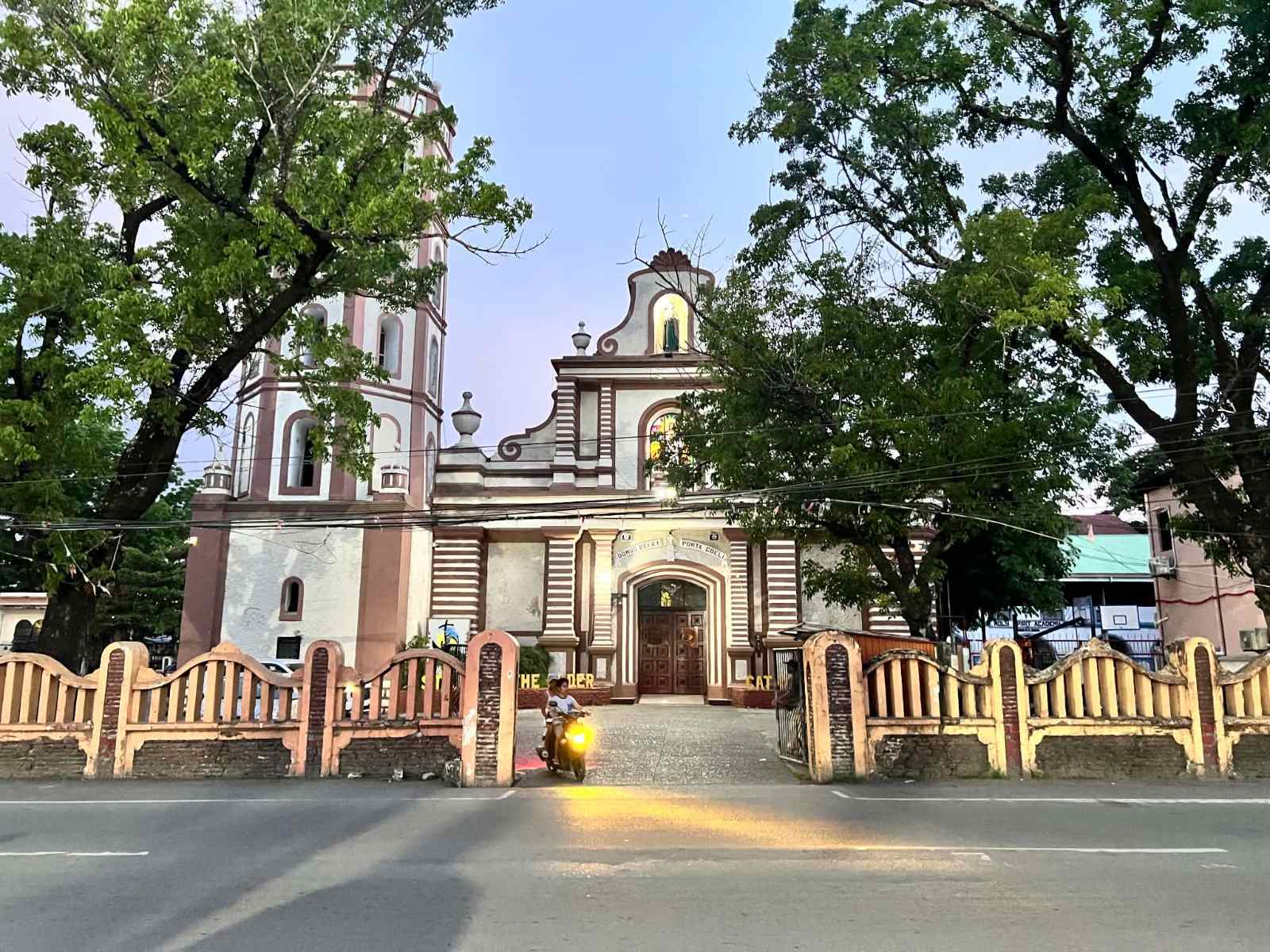
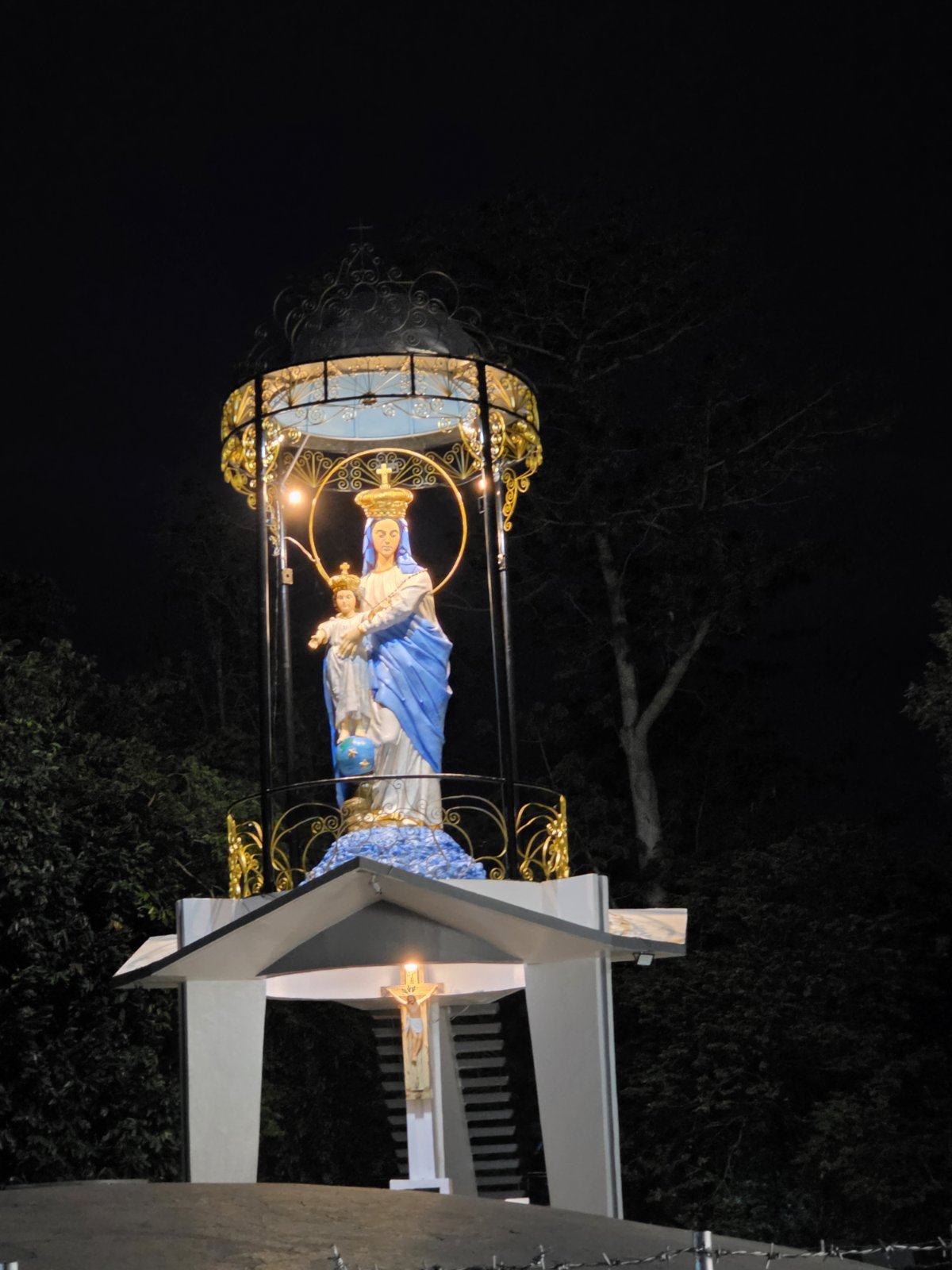
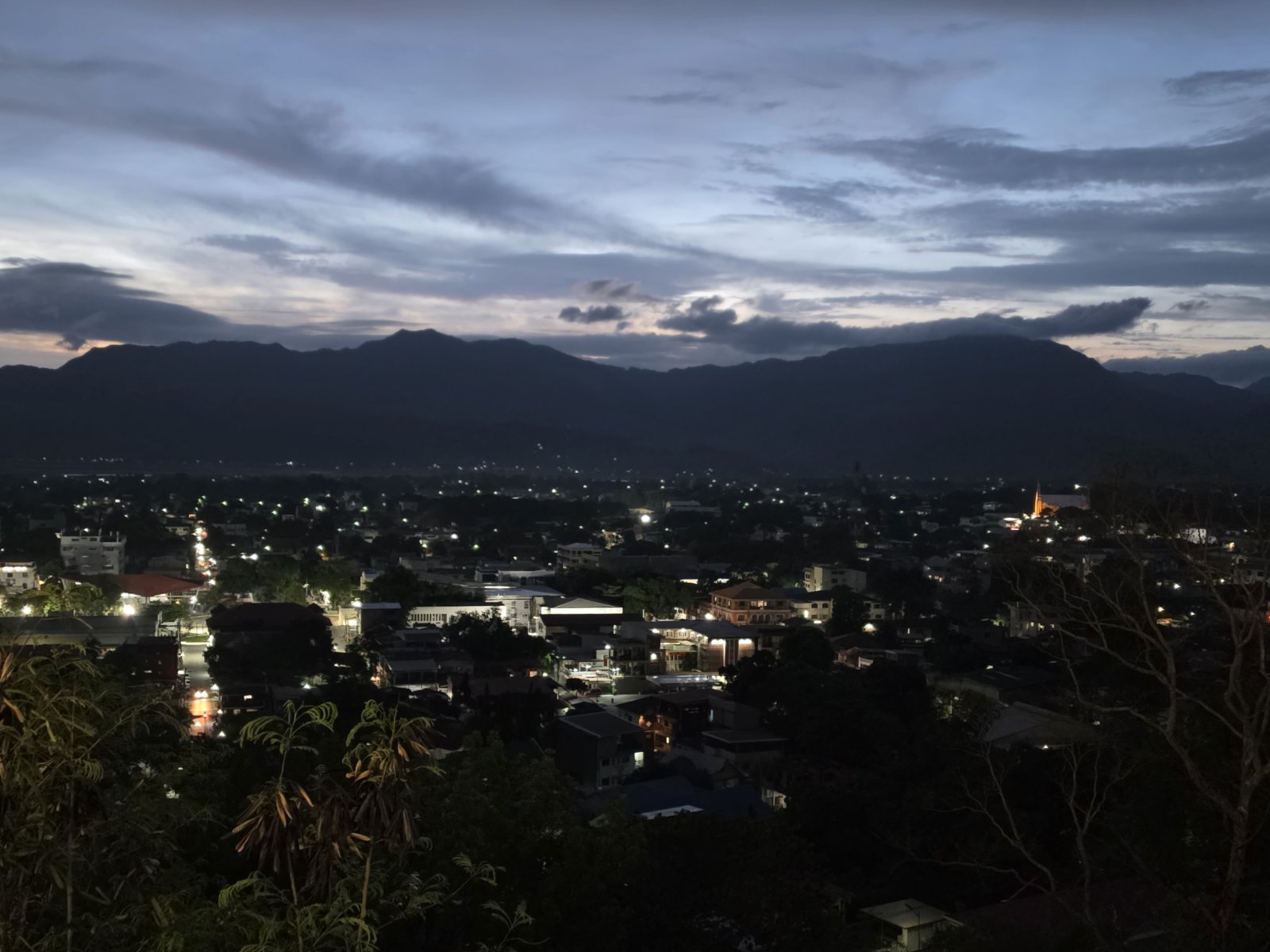
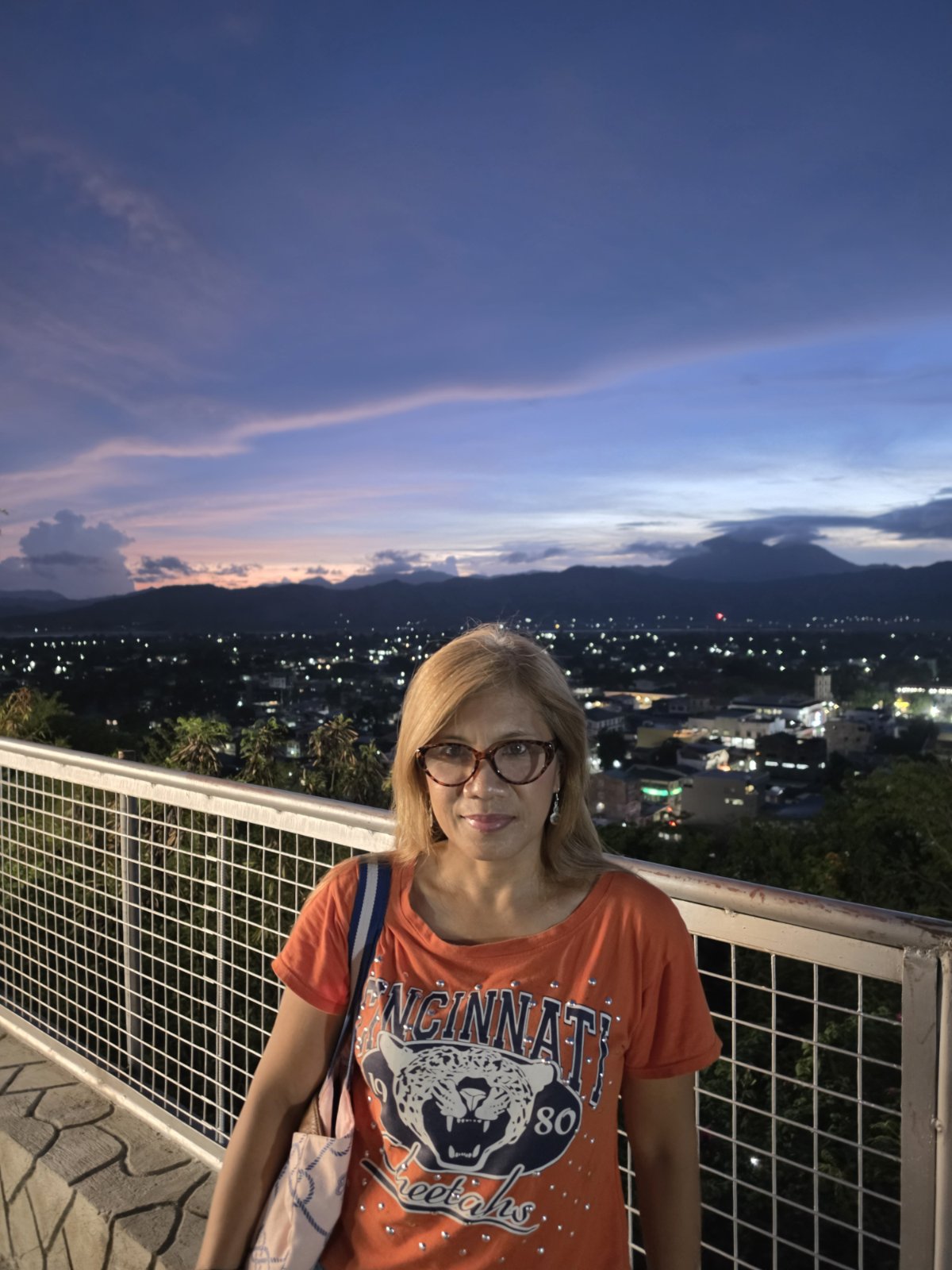
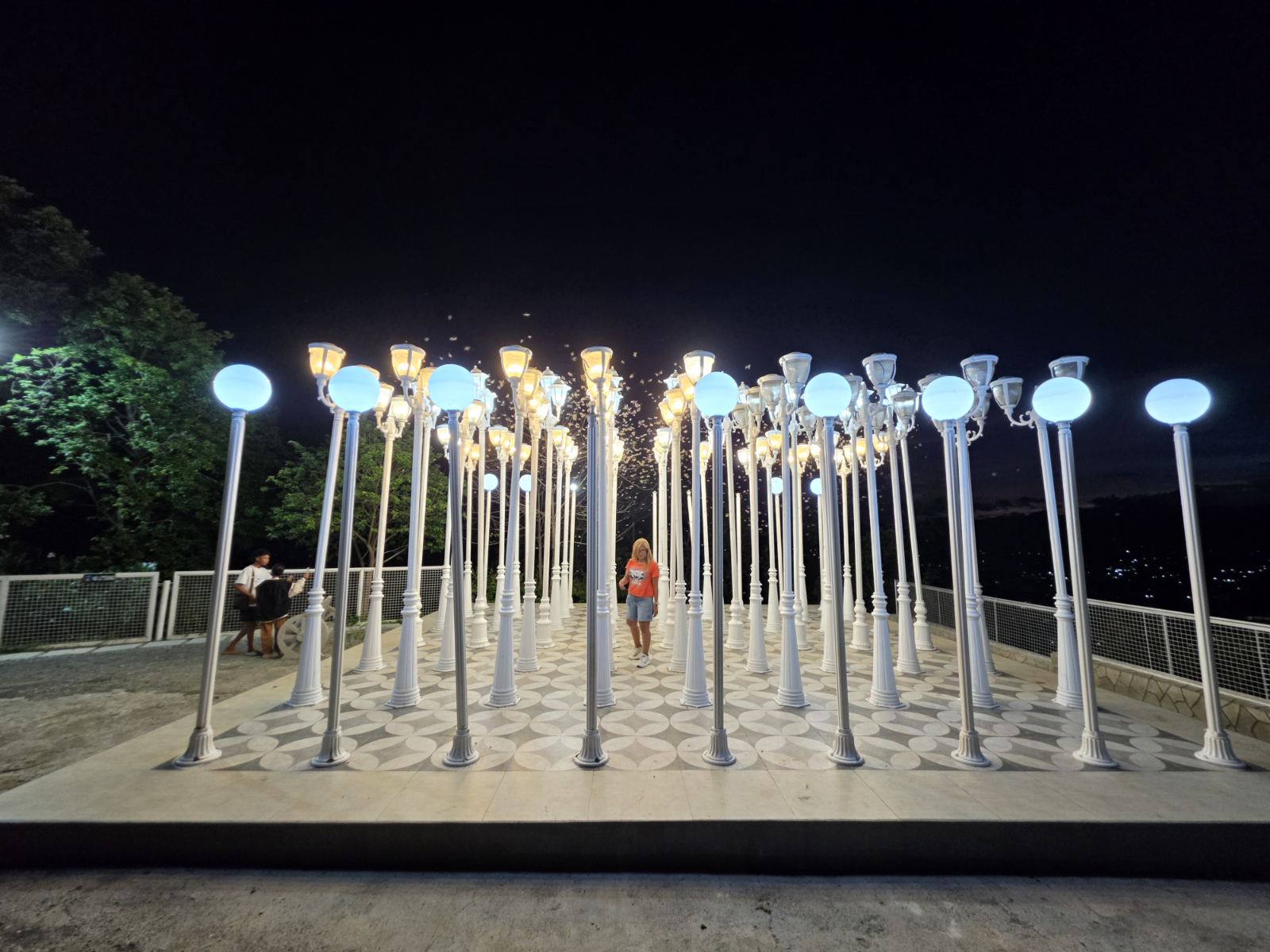
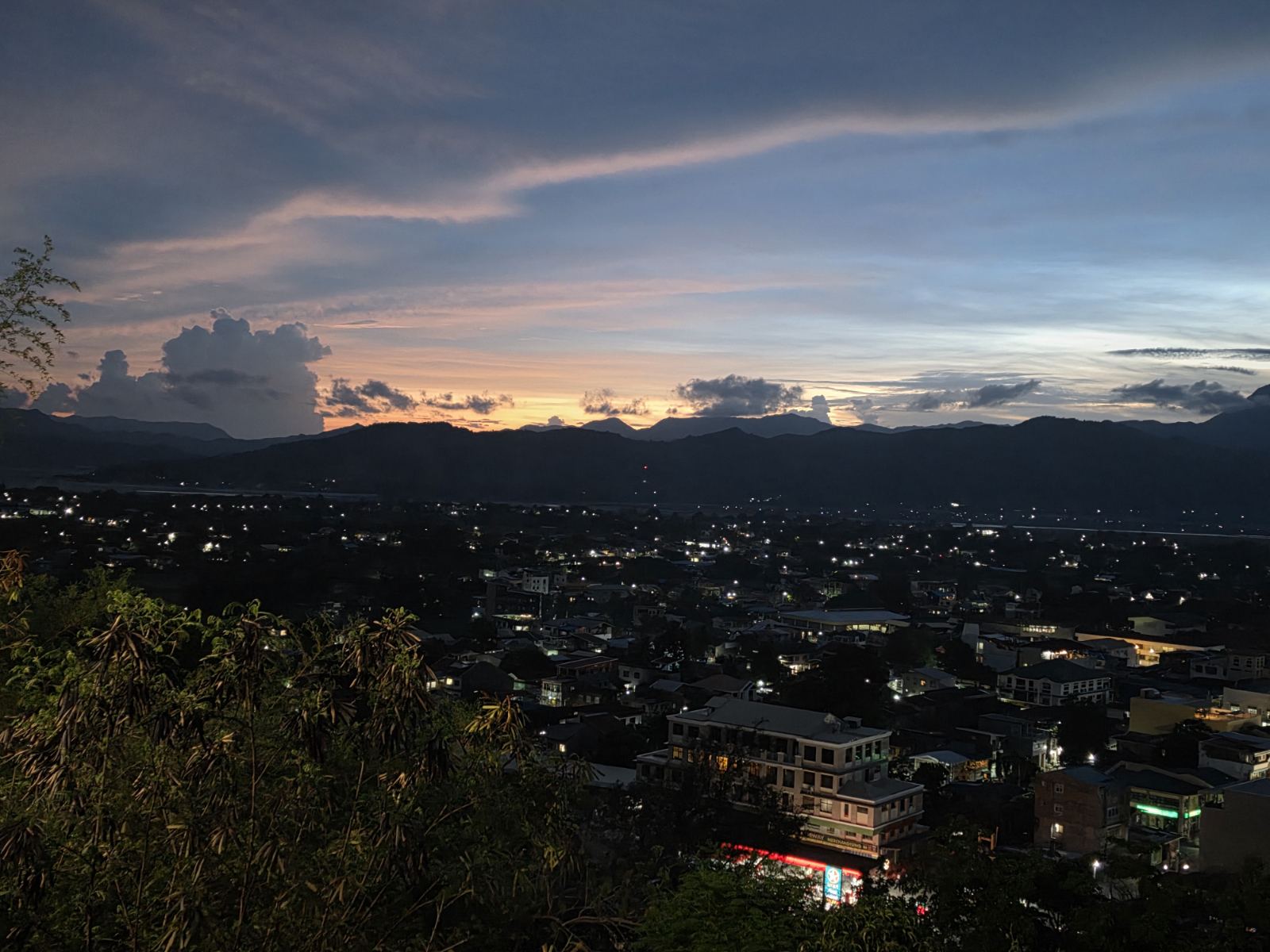
We found the old church—quiet, weathered, and full of that colonial-era gravity that makes you stop and just look. Then we found the overlooking area called Victoria Park, because apparently every Philippine town has one, and they’re always worth it. Victoria park is a scenic hilltop park and viewpoint located on Taft Avenue in Bangued, Abra (also associated with Cassamata Hill National Park). It offers panoramic views of the town, the Abra River valley, and surrounding mountains, featuring a monument of the Virgin Mary and walking trails. Unfortunately we do not have time to walk the trails.
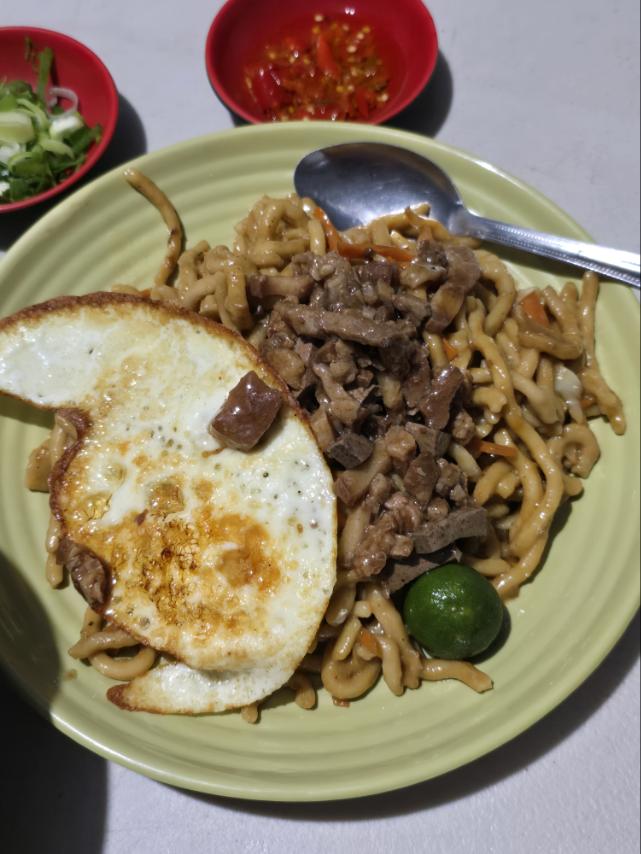
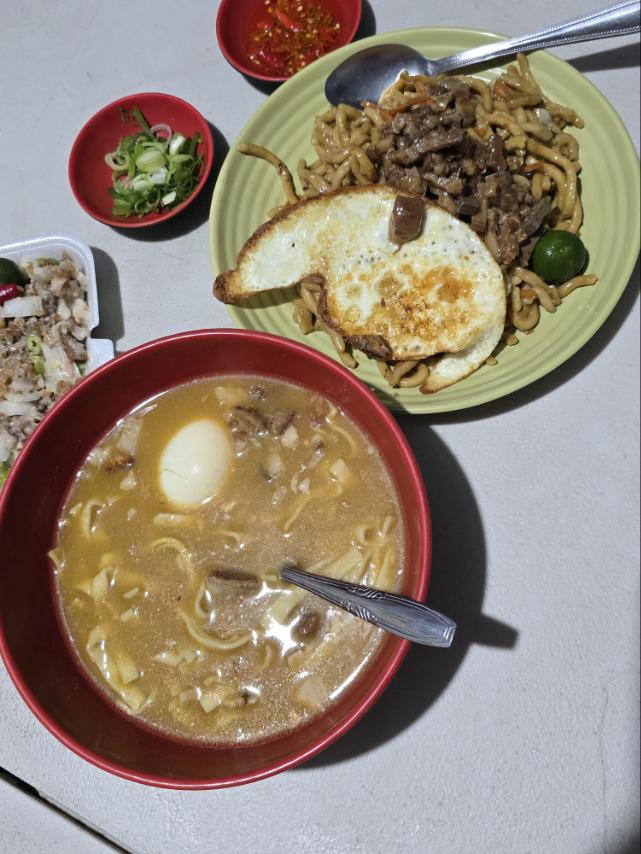
And then—the pansit.
Abra pansit. If you know, you know. If you don’t, let me paint a picture: it’s the kind of local dish that makes you question every pansit you’ve ever eaten before. We ate it with the enthusiasm of people who’d been driving for two days. No regrets.
The 4 AM Ambition (That Failed)
The next morning, we set the alarm for 4 AM. The mission: drive to Tineg and catch the sunrise at 5:30 AM.
We did not catch the sunrise.
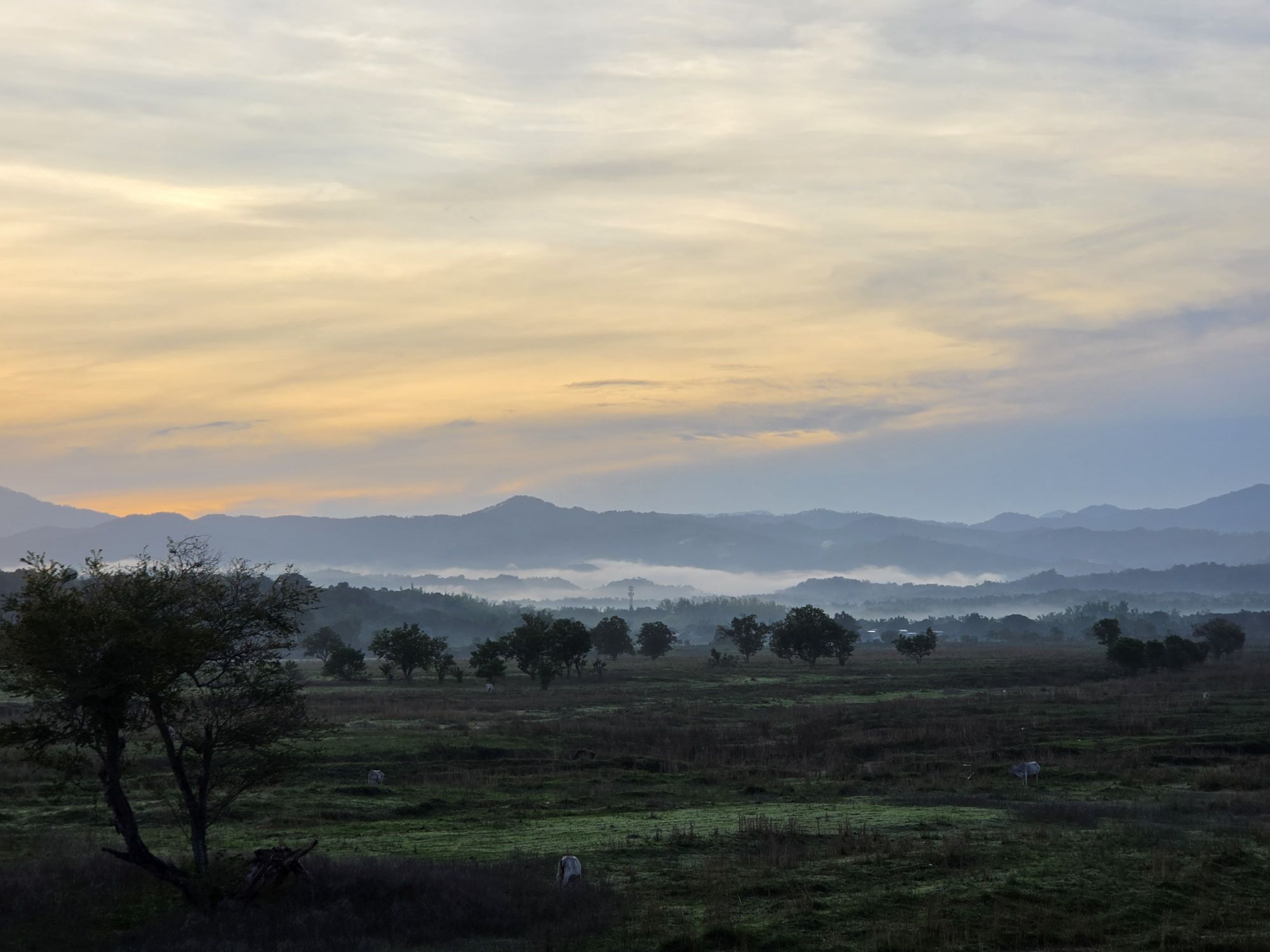
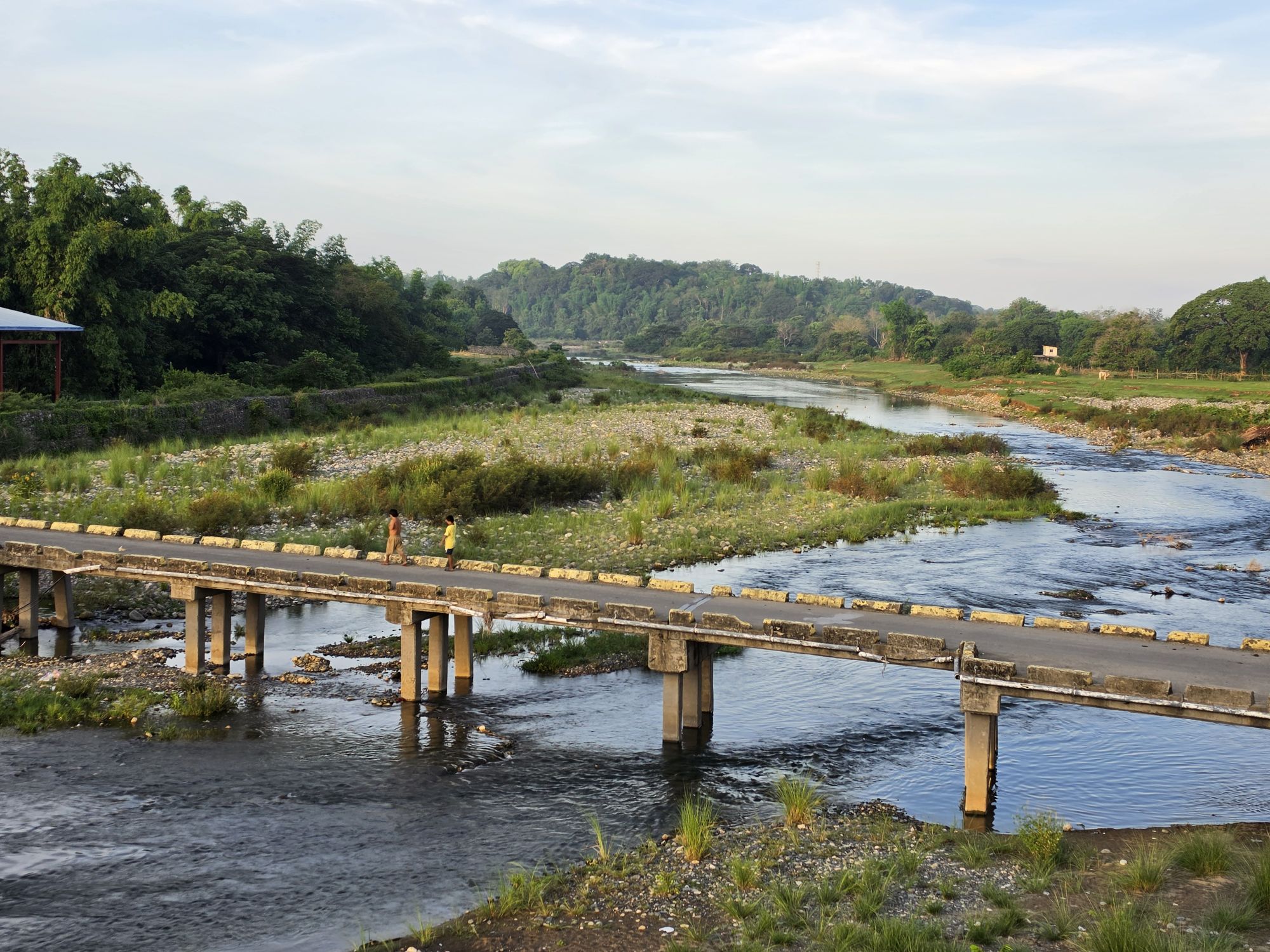
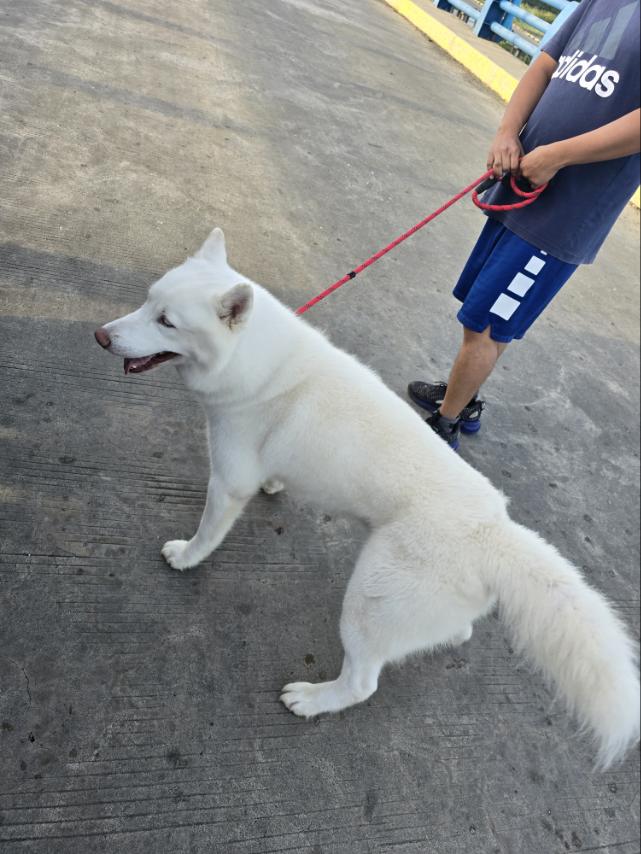
We caught it instead at Don Mariano Marcos Bridge, which turned out to be a perfectly lovely consolation prize. The light spilled over the river, the air was cool, and we even made some unexpected friends—a “super clan” (I still don’t fully know what that means, but they were delightful) and a white husky who had absolutely no business being that majestic in a mountain town.
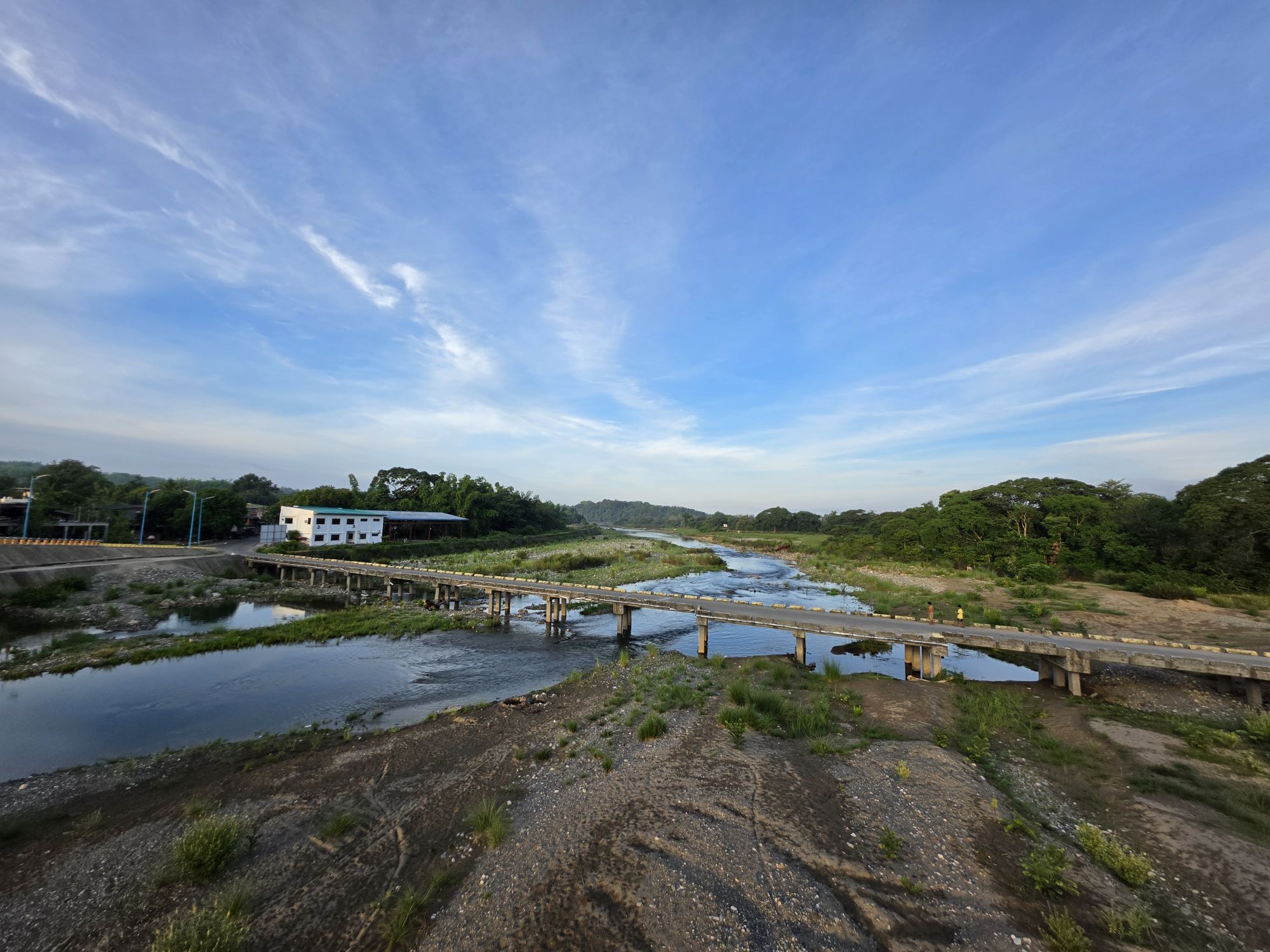
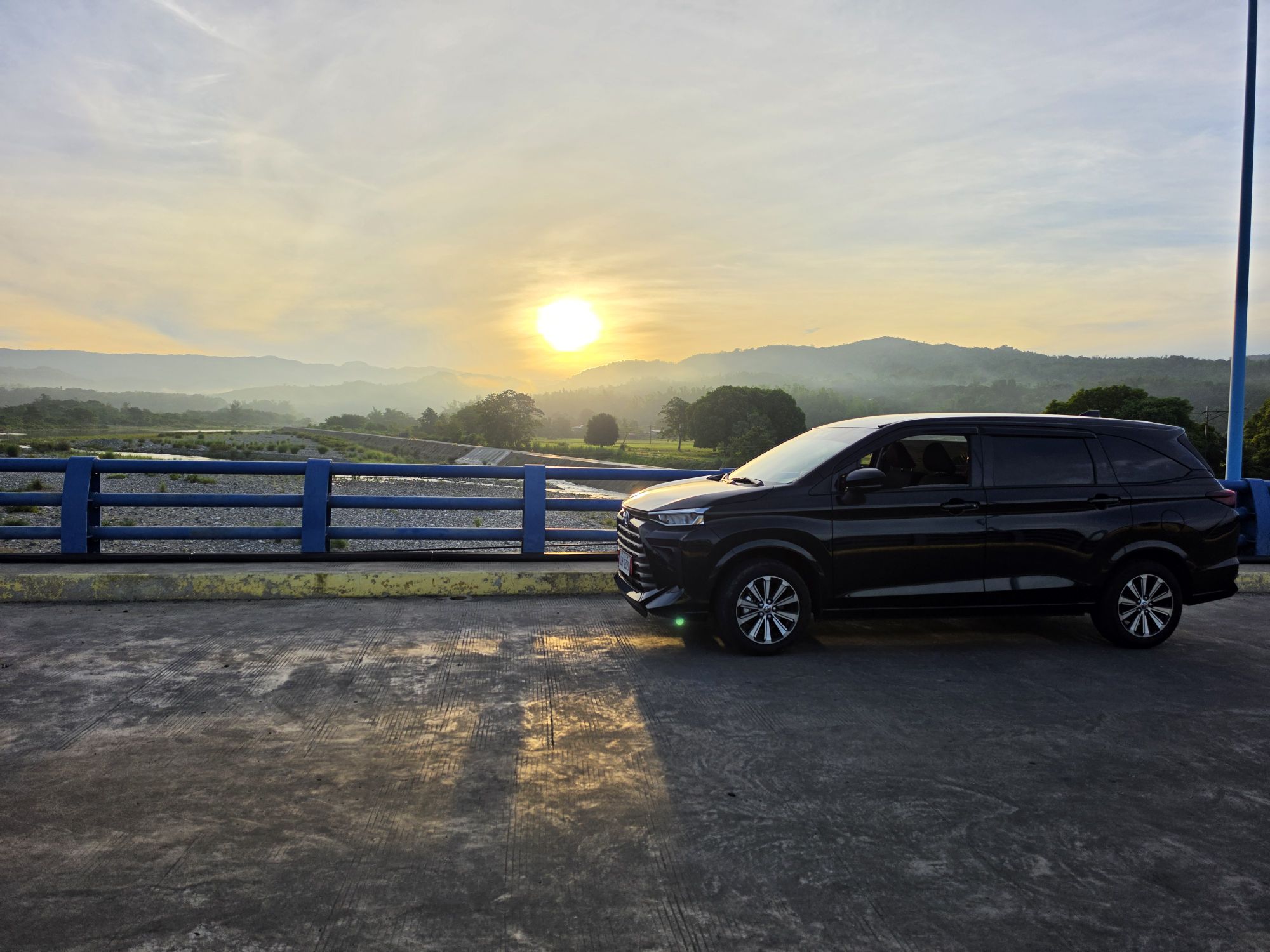
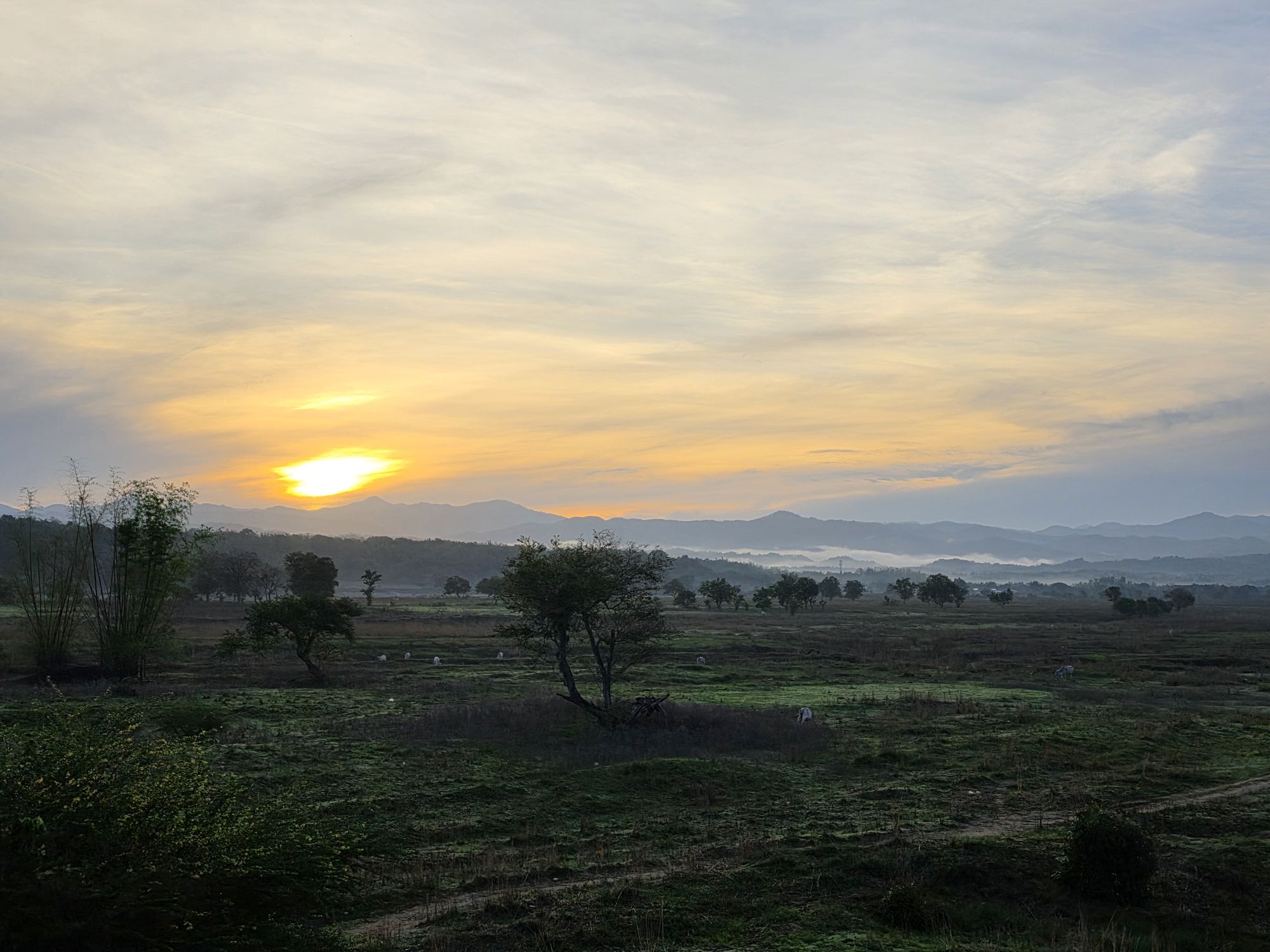
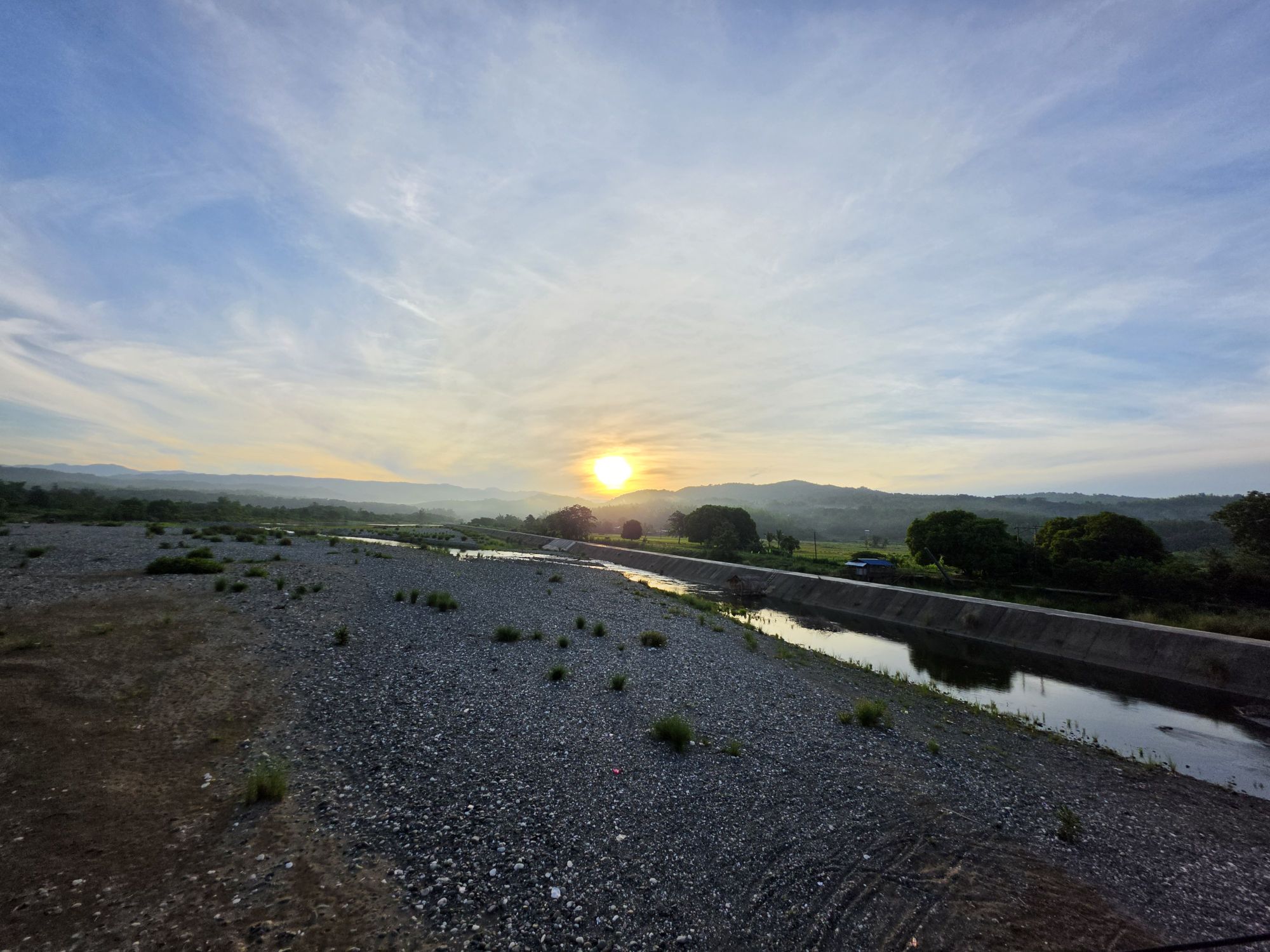
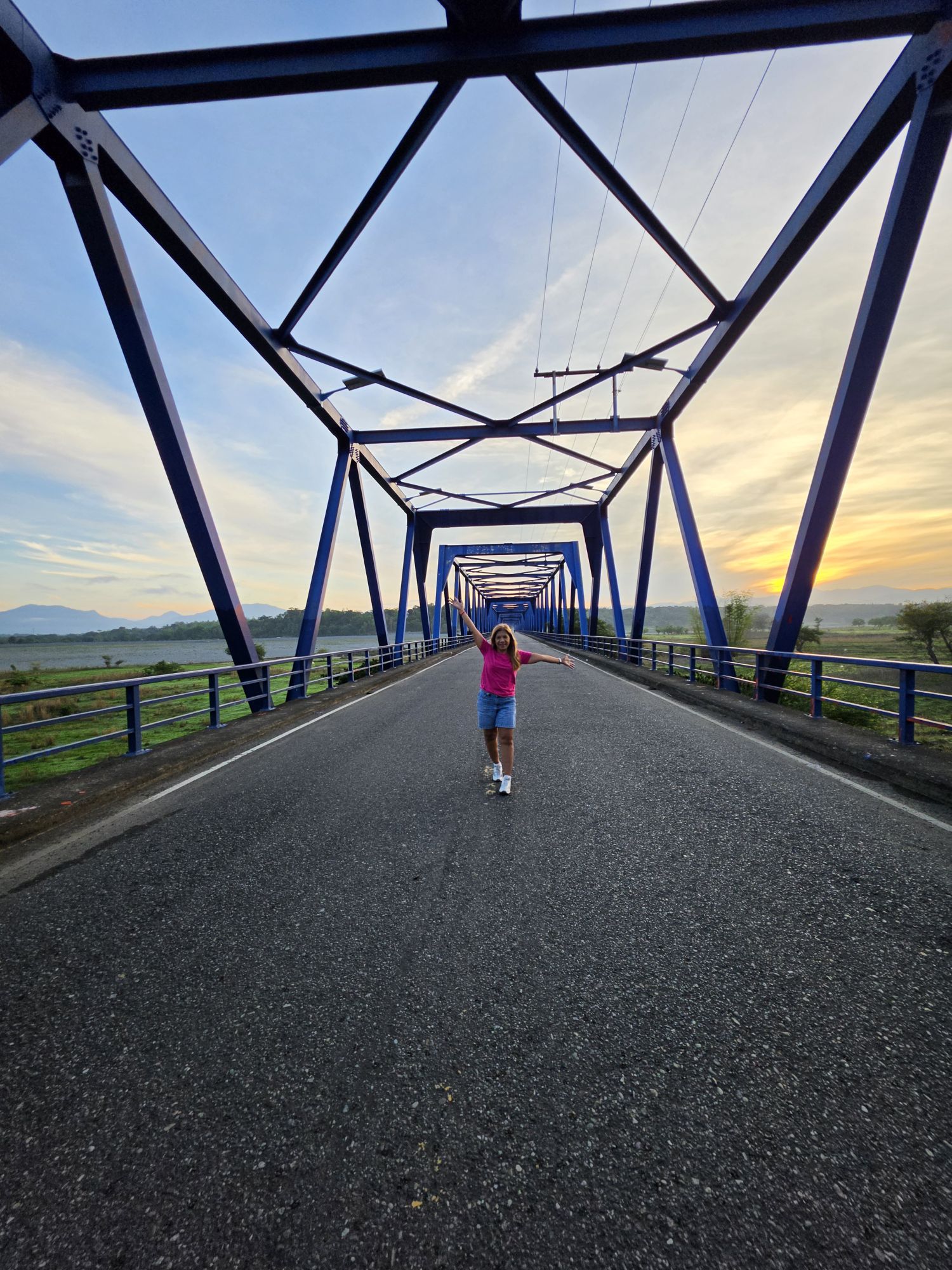
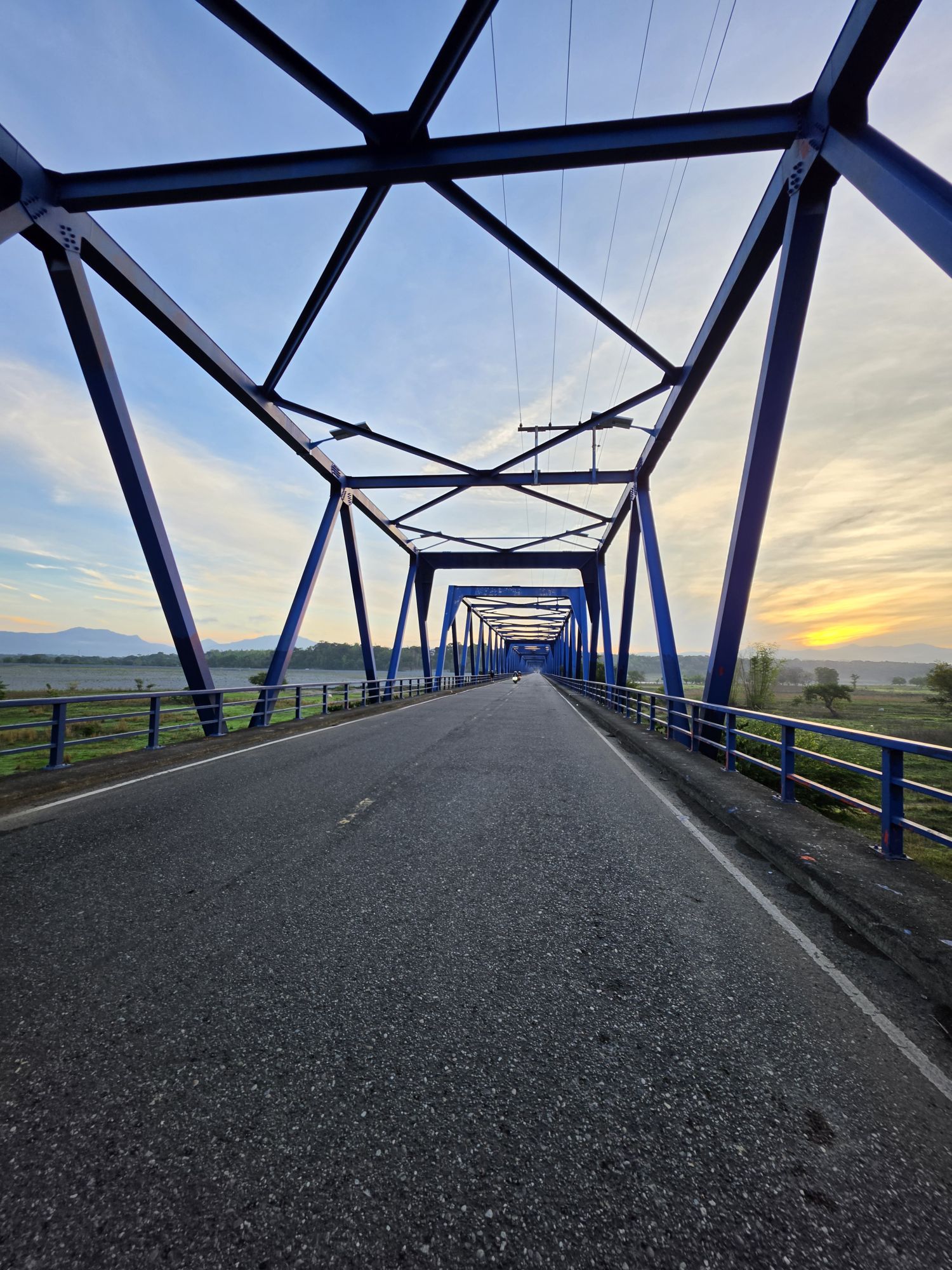
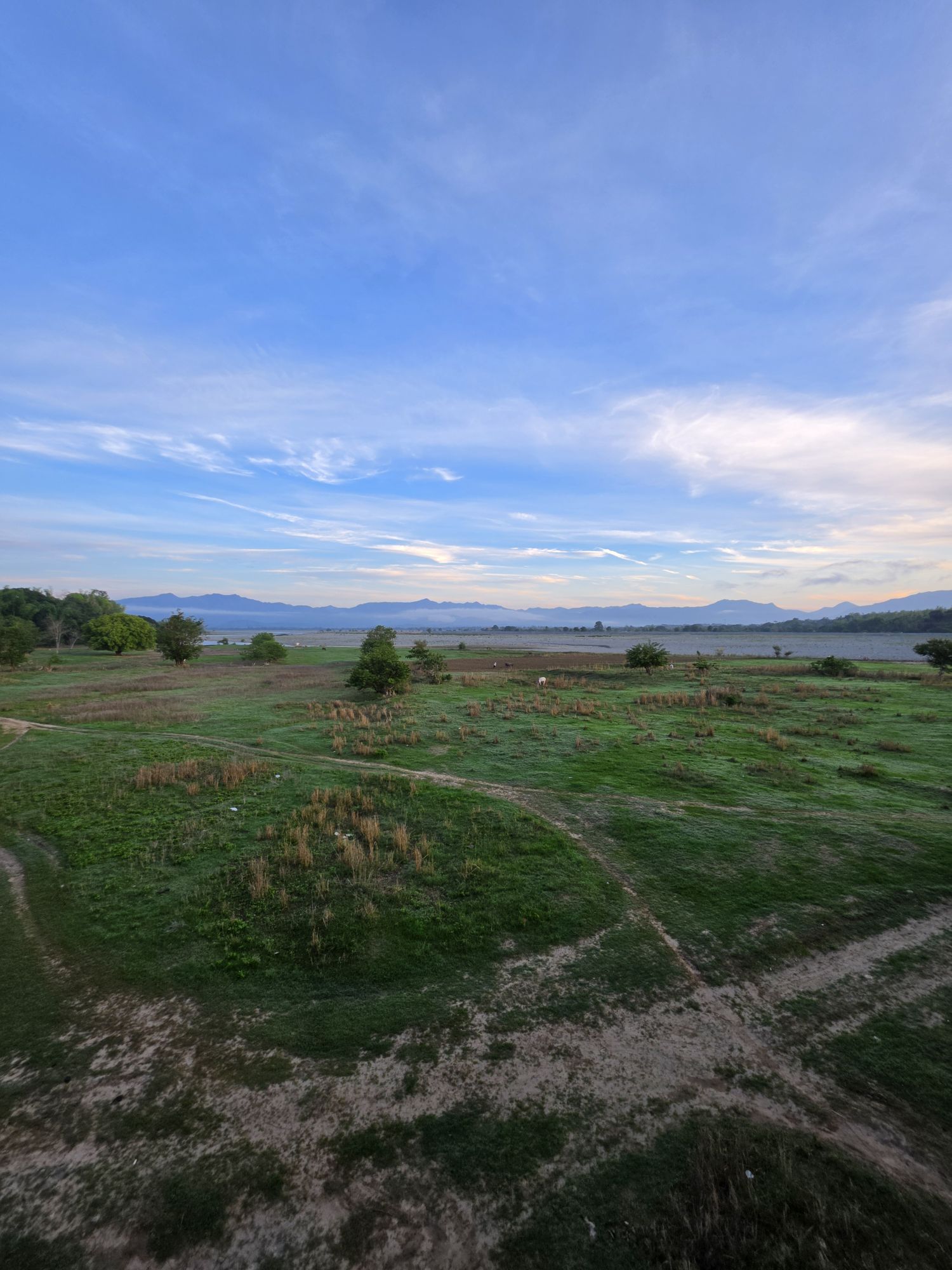
Puraw the husky was so friendly and accomodating, he like did take a selfie with us. We’re still recovering.
The Road to Tineg: Where Cars Go to Disappear
Now, let me tell you about the drive to Tineg.
Tineg is the last town of Abra. The last. The “end of the road” kind of last. And the road? It’s the kind of road that makes you question your life choices, your vehicle, and the very concept of civil engineering.
No other cars. No gasoline stations. Barely any cell signal.
I was driving my brand-new 2026 Toyota Avanza—a vehicle I had lovingly babied through city traffic and suburban errands—and now I was asking it to climb winding mountain roads like a goat with a death wish.
I kept glancing at the dashboard, whispering, “You can do this, buddy. Don’t embarrass me.”
The Avanza didn’t embarrass me. It handled the uphill climbs and hairpin turns like a champ. But let me be clear: gas up before you go. There’s no rescue coming. No tow truck. No signal to call one. Just you, your car, and the mountains.
The silence was eerie. The isolation was thrilling. Every turn revealed a new stretch of untouched wilderness, and every kilometer felt like we were driving deeper into a secret.
We survived. Barely. And by the time we reached Tineg, I felt like I’d earned a badge in mountain driving.
Independence Day in Tineg: A Celebration Worth Crashing
e arrived in Tineg on Philippine Independence Day, which meant the municipality hall was buzzing with activity. Employees were gathered, the mood was festive, and we—two random travelers with dust on our shoes—got swept up in it.
We ended up celebrating with them at the newly built municipal hall. They were warm, welcoming, and endlessly amused by our story of showing up out of nowhere. It was one of those travel moments you can’t plan—the kind that reminds you why you travel in the first place.
Apao Rolling Hills: Worth Every Bump
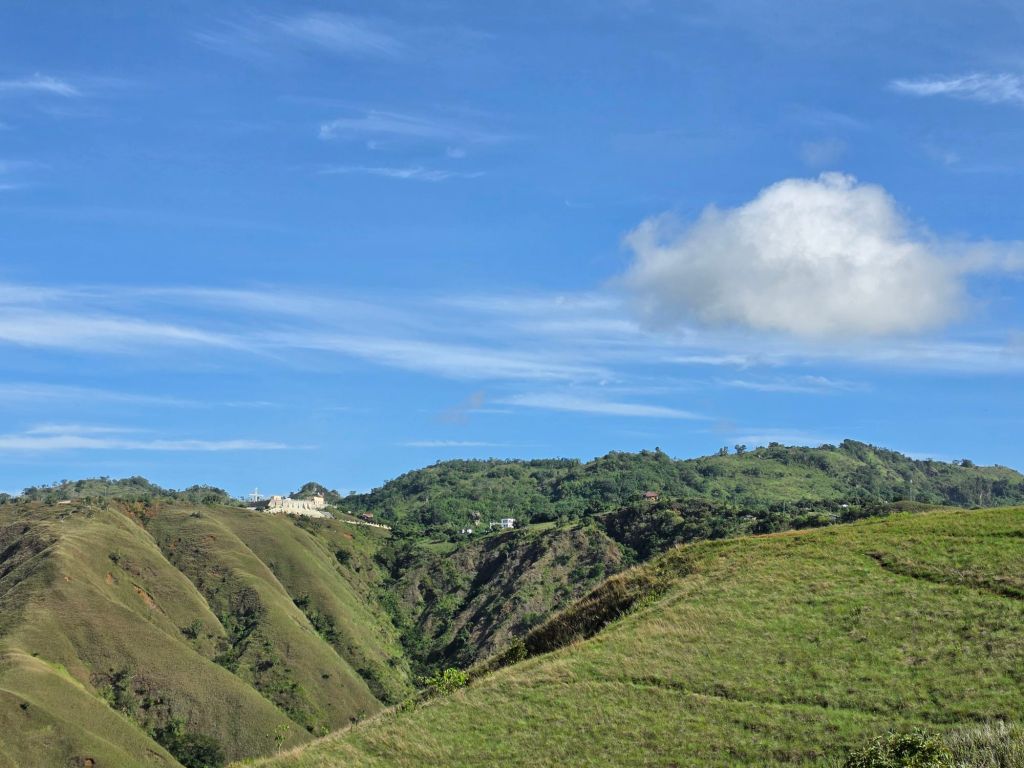
After the celebration, we drove to Apao Rolling Hills, and let me tell you: it’s the kind of landscape that makes you forget about the road, the lack of gas stations, and the fact that your phone has zero bars.
Rolling hills, sweeping views, and that distinct mountain silence that feels like a hug. We spent a good chunk of time just… existing. Taking it in. Being present.
If you’re ever in Abra, don’t skip Apao. Just gas up first. Seriously.
The Castle, the Dogs, and the Mayor’s House
Here’s where the story gets interesting.
On the drive back, we spotted what looked like a castle-like structure perched on top of a mountain. Naturally, we decided to investigate. We followed the road, and soon we found ourselves in front of a very new church, a newly built mansion with a pool (no water—we checked), and four 4WD cars parked outside.
The gate was open. We assumed it was a hotel. We walked in, looking for a receptionist.
The mansion door was also open.
And then—the dogs.
A Belgian Malinois and a German Shepherd emerged. They didn’t bark. They didn’t growl. They just… followed us. Quietly. Steadily. Like they were escorting us to the exit.
We didn’t wait to find out if they were friendly. We retreated to the car, drove to the newly built church, and prayed. Like, genuinely prayed.
Later, at lunch near the municipal hall, we recounted the story to some employees. They laughed. Then they told us the truth: the mansion was the mayor’s house. And the dogs? The mayor’s guard dogs.
We all laughed about it. But I’m still convinced those dogs were judging us.
Duhat Heaven
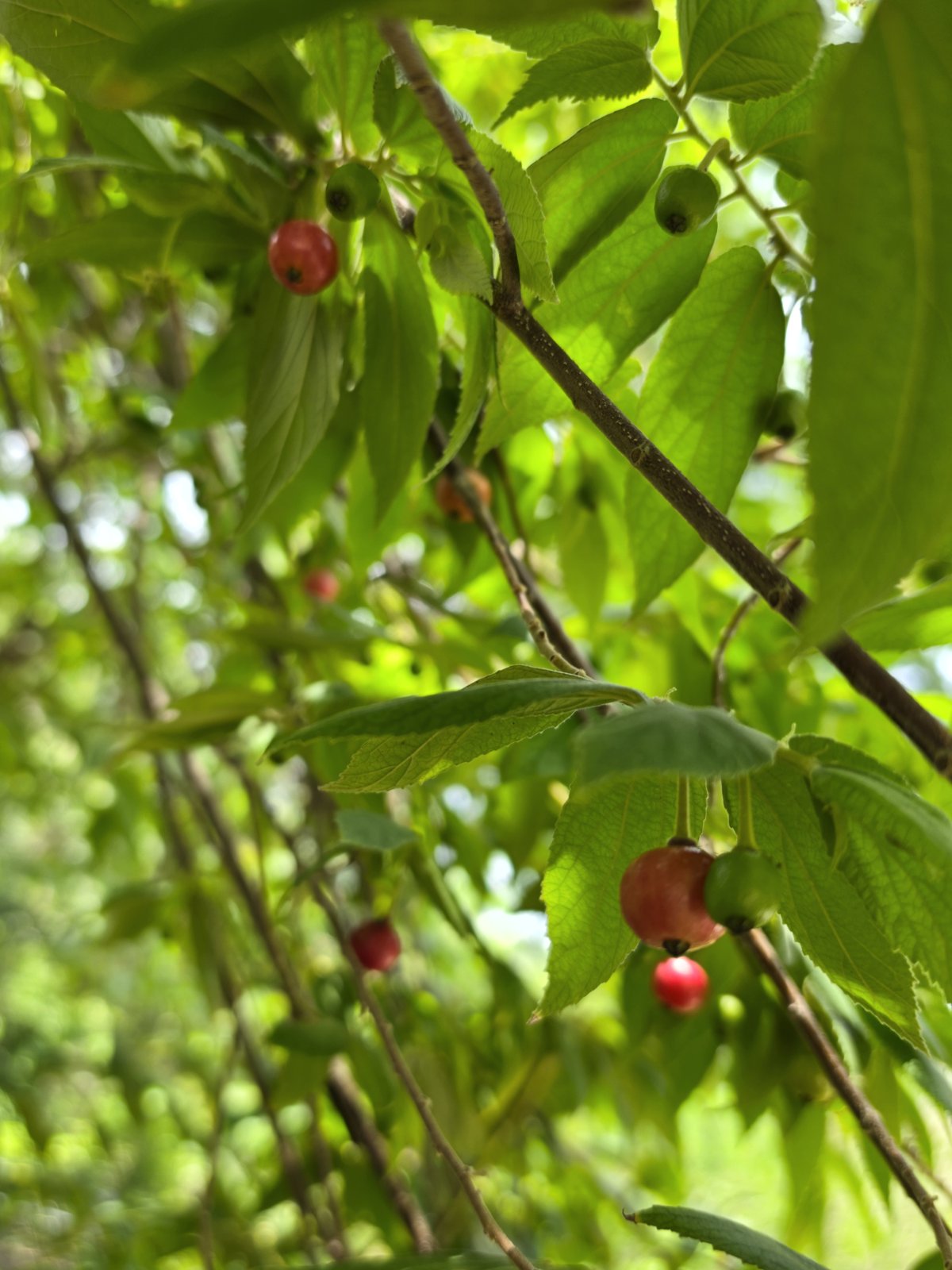
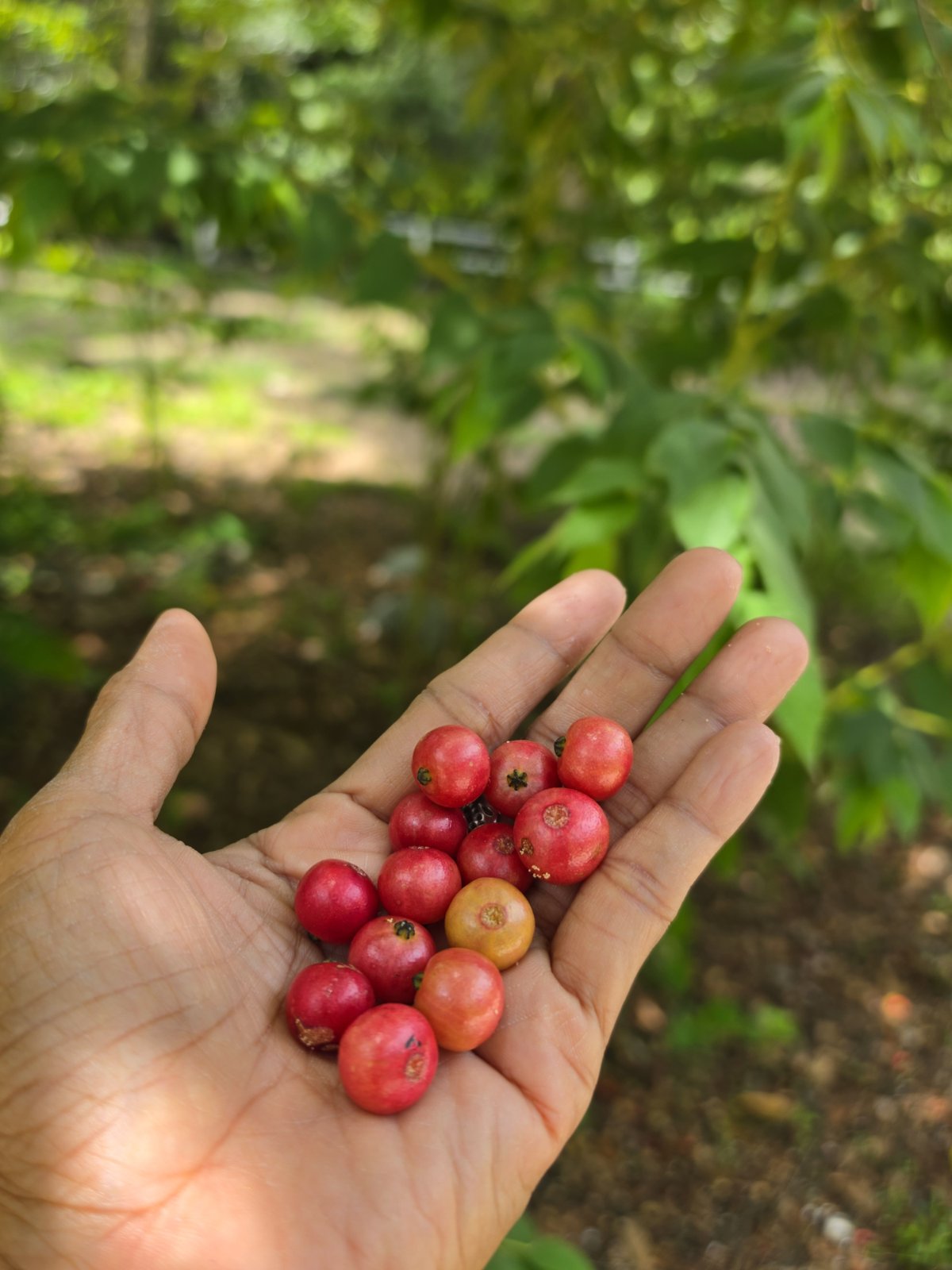
On the way back to the municipal hall, we spotted something magical: duhat trees, full of ripe fruit.
If you’re from Manila, you know the struggle. Duhat is rare. Duhat is precious. Duhat is the kind of fruit you only find in your lola’s backyard or at a random roadside stall in the province.
We pulled over. We picked. We ate. We were ecstatic. We filled our hands with dark purple fruit and laughed like kids who’d just discovered treasure. It was the highlight of the day, and I’m not exaggerating.
Lusuac Spring: The Cool-Down We Needed
After all that—the mountain roads, the guard dogs, the duhat-fuelled euphoria—we needed to cool down. Lusuac Spring in Barangay Lagayan was exactly what we needed. Cool water, a peaceful setting, and a chance to wash off the dust and the chaos of the day.
We cleaned up, took a breath, and prepared for the next leg of the journey: La Paz, where the inabel weavers were waiting.
La Paz: Threads and Tradition
La Paz is known for inabel, the traditional woven fabric of the Ilocos region and Abra. We visited the cooperative, spoke with the head weaver, and learned how each thread is carefully woven into patterns that carry generations of history.
And then—we got to try it ourselves. Weaving is harder than it looks. Much harder. I came away with a newfound respect for every piece of inabel I’ve ever seen.
We also bought woven products, because you can’t learn about the craft and not support the artisans. It’s the unwritten rule of travel.
The Drive to Vigan
After La Paz, we drove to Vigan for an overnight stop. The drive was smooth, the roads were kind, and my Avanza—battle-scarred but still purring—carried us safely to the next chapter.
But that’s a story for another blog post.
Final Thoughts: Abra is Not for the Faint of Heart (But It’s Worth It)
Abra isn’t the kind of destination that shows up on glossy travel brochures. It’s raw, it’s rugged, and it demands that you show up prepared. But that’s exactly what makes it special.
From the kindness of Tineg’s municipal employees to the quiet beauty of Apao Rolling Hills, from the heat of the inabel weaving loom to the absurdity of being followed by the mayor’s dogs—every moment felt like a story worth telling.
And my 2026 Avanza? It survived. We survived. And we’re already planning the next adventure.
Just… next time, I’m bringing a gas can. And maybe a decoy for the dogs.
Next up: Vigan, and the story of how we ate our weight in empanada. Stay tuned.
— The Travel Blogger Who Never Learned to Say No to a Mountain Road


Leave a Reply