- A Chance Encounter at the Santa Justa Lift
- The Story Behind the Tart: A History Steeped in Tradition
- The Original Recipe and a Secret I Still Don’t Know
- What to Expect: A Sensory Experience
- A Final Word of Advice
A Chance Encounter at the Santa Justa Lift
I was in Lisbon, struggling with my selfie stick in front of the magnificent Santa Justa Lift, trying to capture the perfect shot of the neo-Gothic ironwork against the city’s red rooftops. Designed by a student of Gustave Eiffel and completed in 1902, it’s a breathtaking piece of history .
This iconic landmark, which connects the lower Baixa district to the upper Carmo Square, was a feast for the eyes, but I could not seem to get the angle right due to flock of tourists aside from one woman standing in the middle protesting about I-don’t-know-what is.
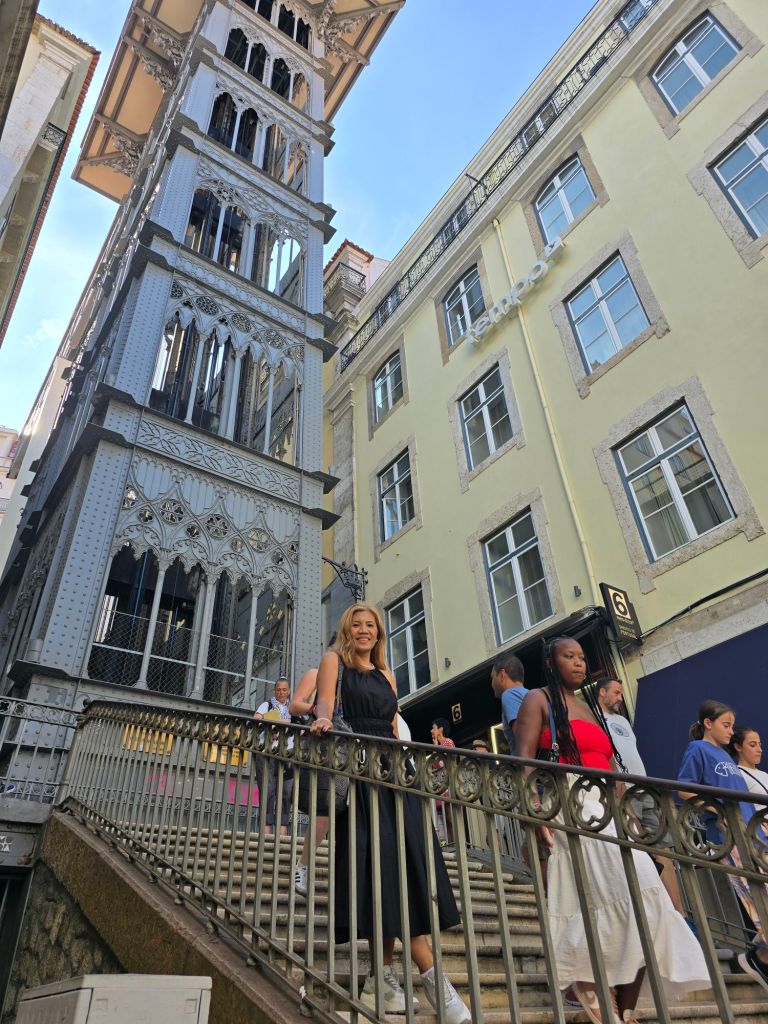
Just as I was about to give up, a friendly man approached me. “Need a hand with that?” he asked with a warm smile. He introduced himself as a local CNN reporter covering the protest, and naturally, his curiosity was piqued by a tourist in distress with thes selfie-stick lol.
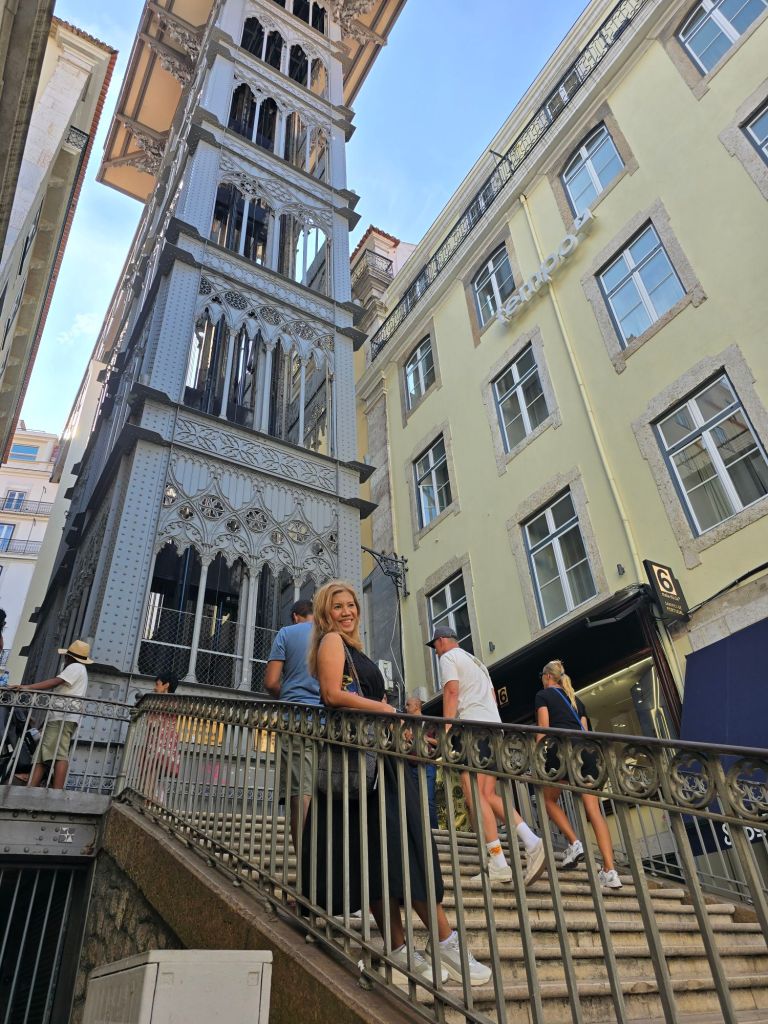
After he snapped a few photos of me with the Santa Justa Lift in the background, the conversation turned, as it always does in Portugal, to food. He asked about my trip so far and what I had eaten. I mentioned some delicious seafood I’d enjoyed in the city, but he shook his head with a knowing grin.
“You have not truly eaten in Lisbon until you have been to Pastéis de Belém,” he declared with the certainty of a local who knows the city’s best-kept secrets. “It is not just a pastry shop; it’s the birthplace of the pastel de nata. You must go.”
The Story Behind the Tart: A History Steeped in Tradition
His words were more than a recommendation; they were an assignment. The next day, I journeyed to the Belém district to find this legendary place, which is conveniently located near the Jerónimos Monastery . The story of these famous tarts is as rich as their custard.
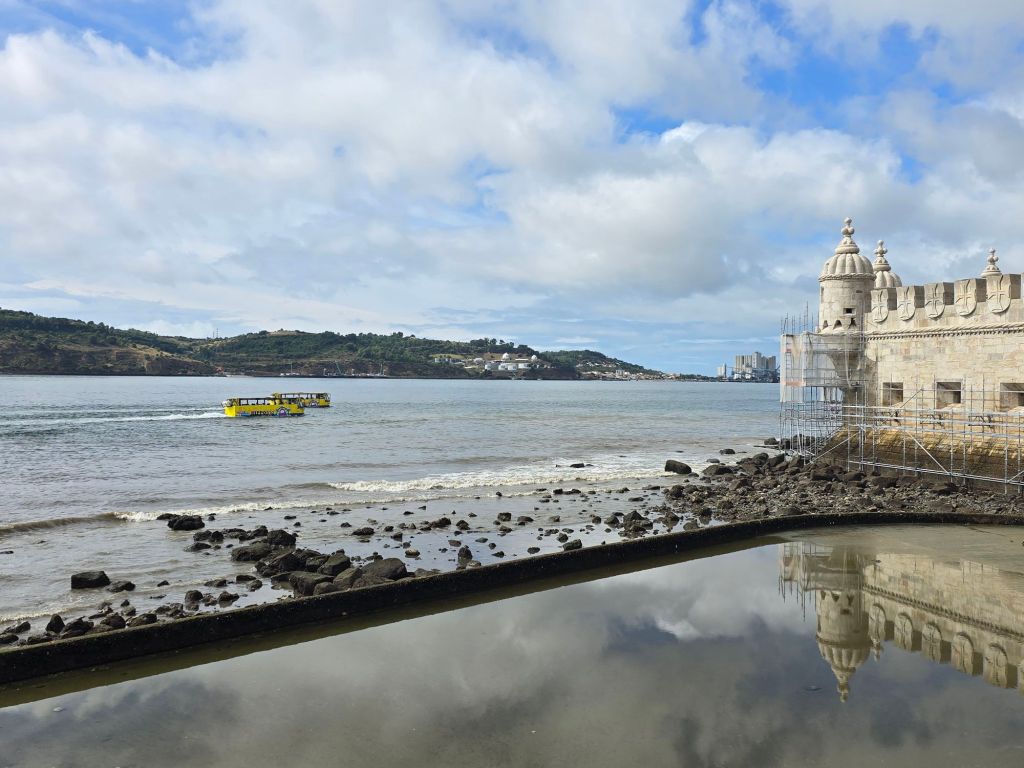
The history began in the 18th century with the monks at the Jerónimos Monastery. In those days, convents and monasteries used large quantities of egg whites for starching habits and other clothing, which left them with a surplus of egg yolks . Resourceful as they were, they used these yolks to create a sweet, rich custard, encased in flaky pastry. This was the birth of the pastel de nata .
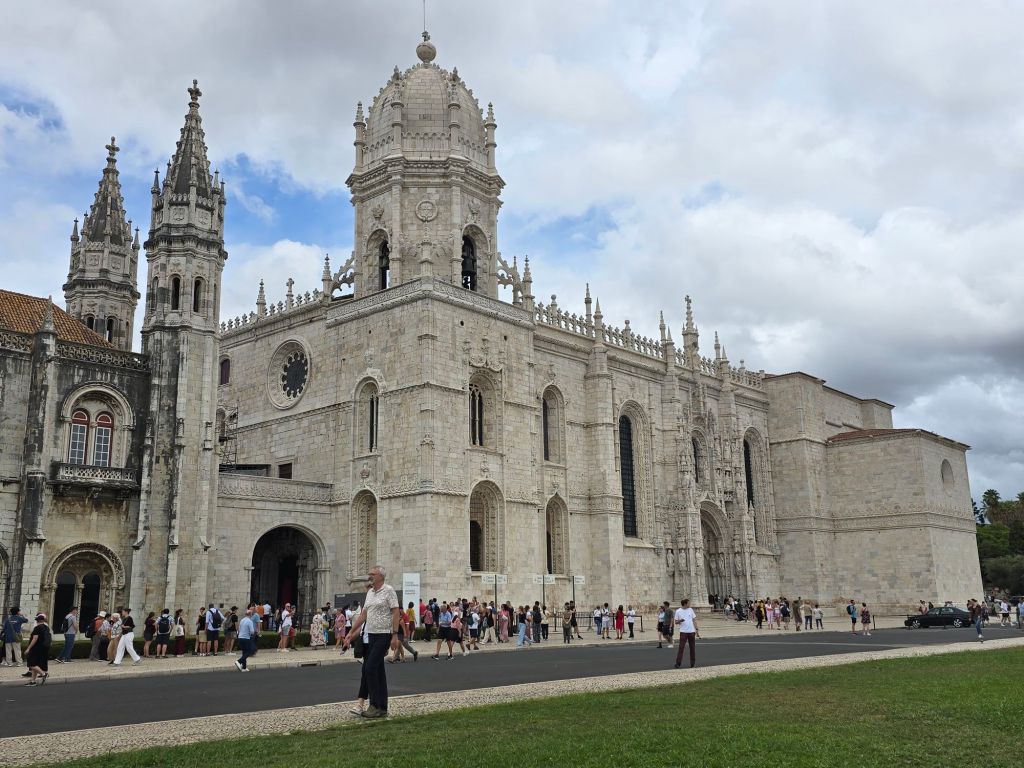
In the aftermath of the Liberal Revolution of 1820, following the dissolution of religious orders and the impending closure of many convents and monasteries, the monks started selling pastéis de nata at a nearby sugar refinery to bring in revenue . In 1834, the monastery was closed, and the recipe was sold to the sugar refinery, whose owners opened the Fábrica de Pastéis de Belém in 1837 . The descendants still own the business to this day .
The Original Recipe and a Secret I Still Don’t Know
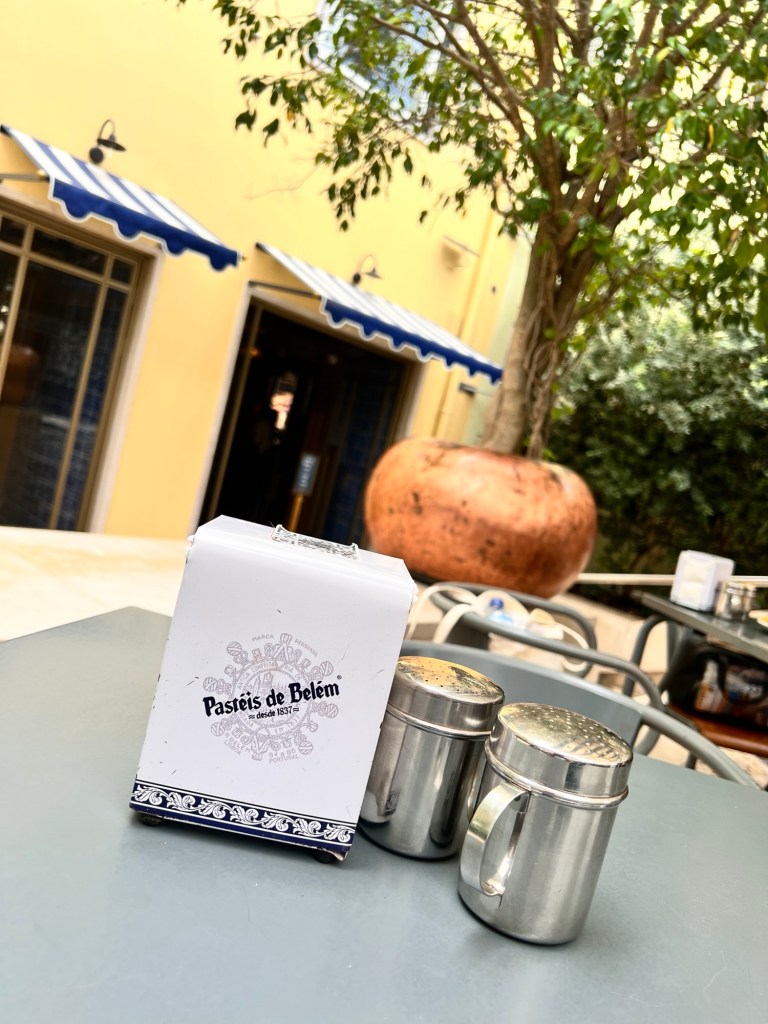
When I arrived, the scene was exactly as my reporter friend predicted. A line of eager patrons snaked out the door, a testament to the bakery’s world-renowned reputation . The blue and white tiles that adorned the exterior were a promise of the authentic experience inside.
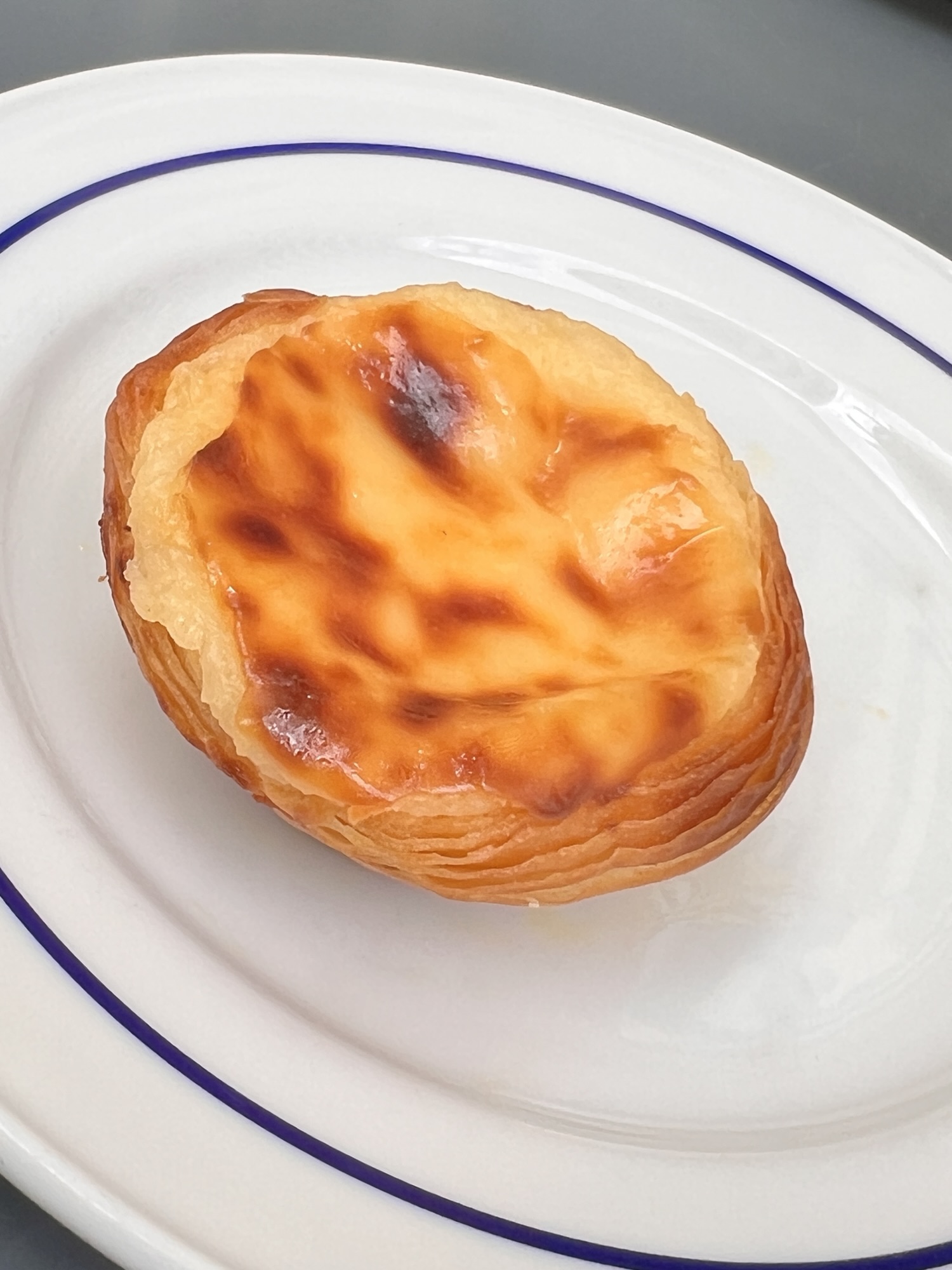
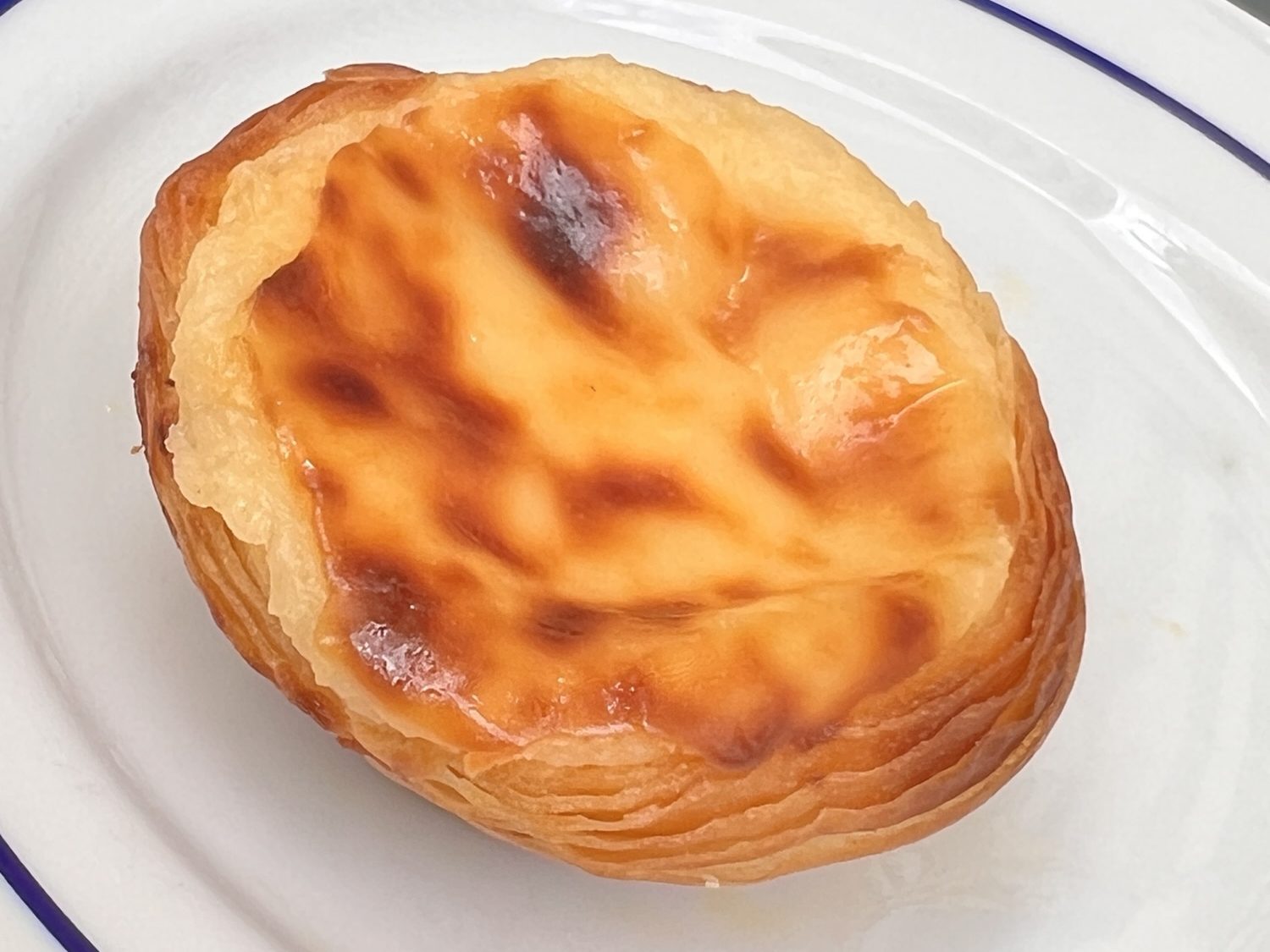
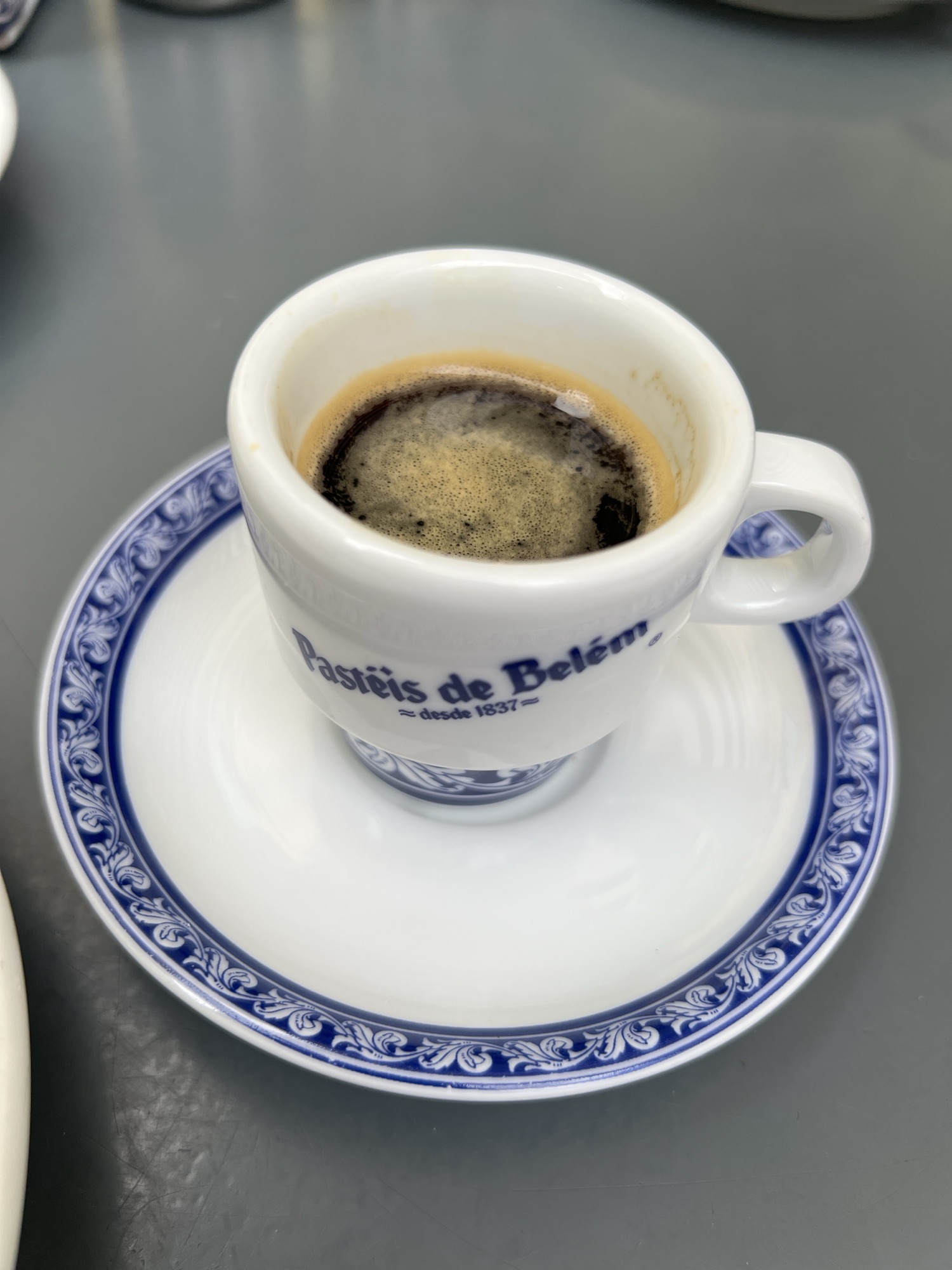
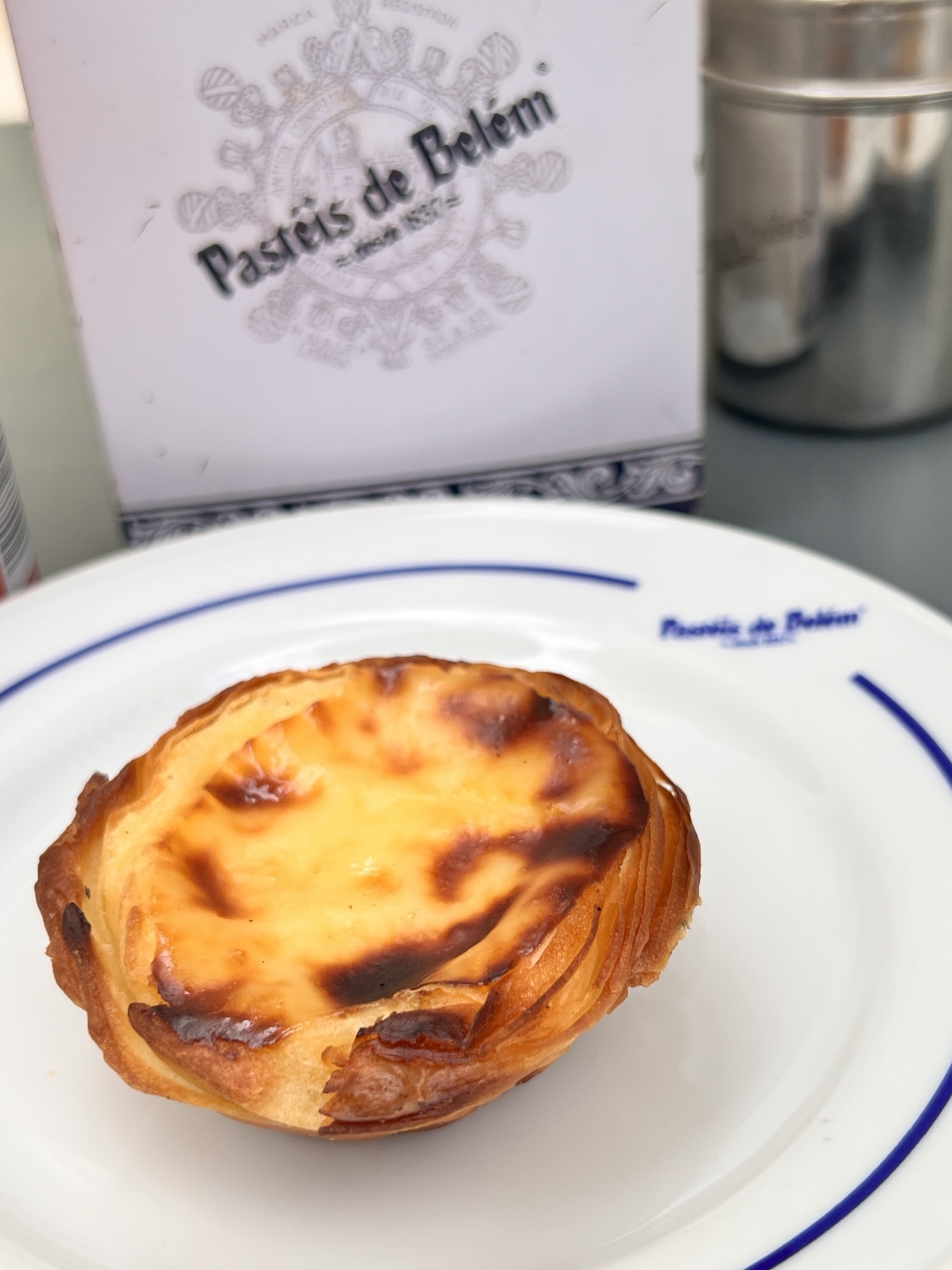
I managed to find a seat and ordered a coffee and a pastel de nata. What arrived was a thing of beauty. The pastry was shatteringly crisp, revealing countless layers of buttery, flaky dough. The custard inside was a velvety, smooth cream with a lightly caramelized top, you have an optiuon to sprinkle it with Cinnamon powder but I preferred mine OG.
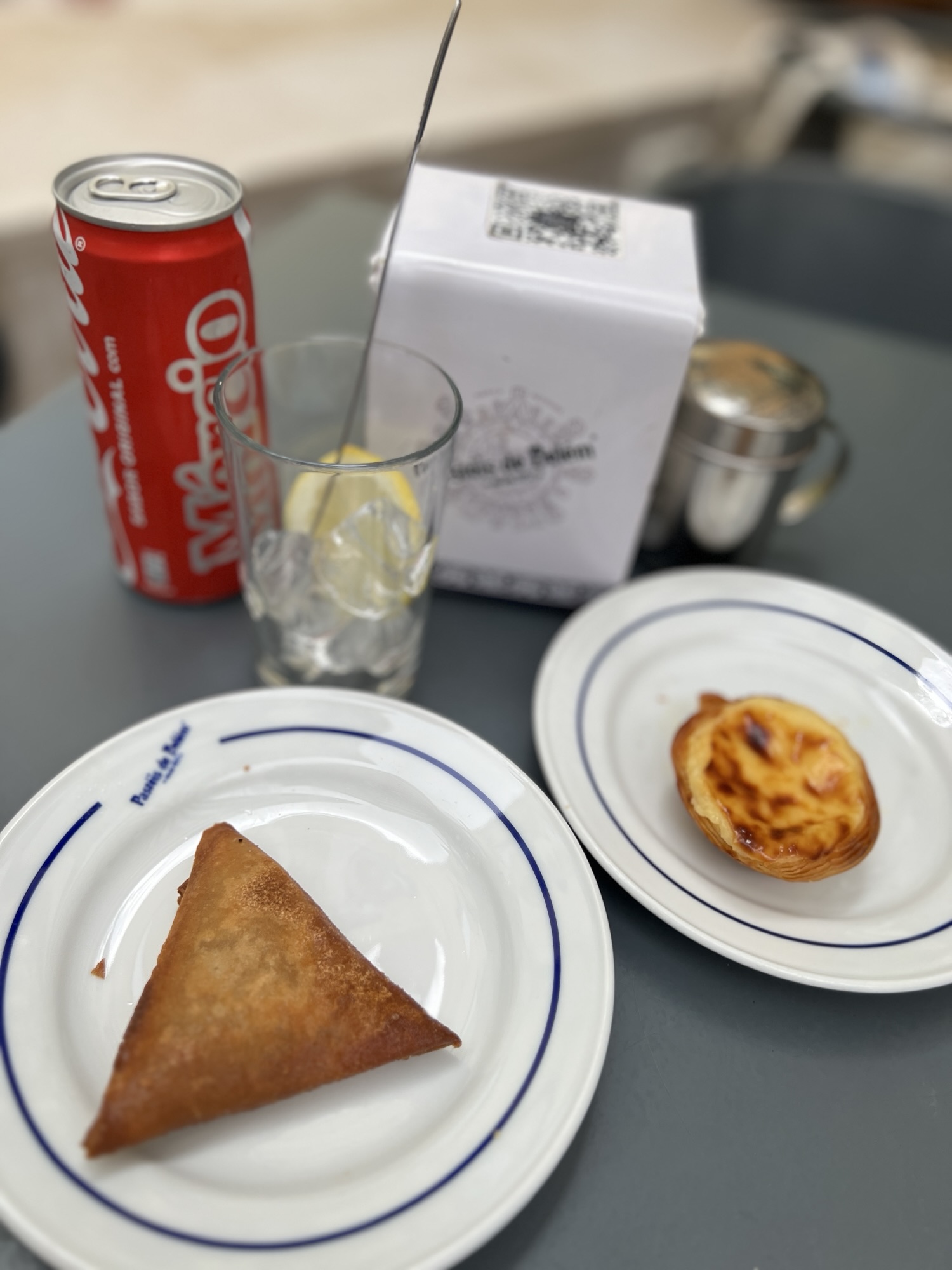
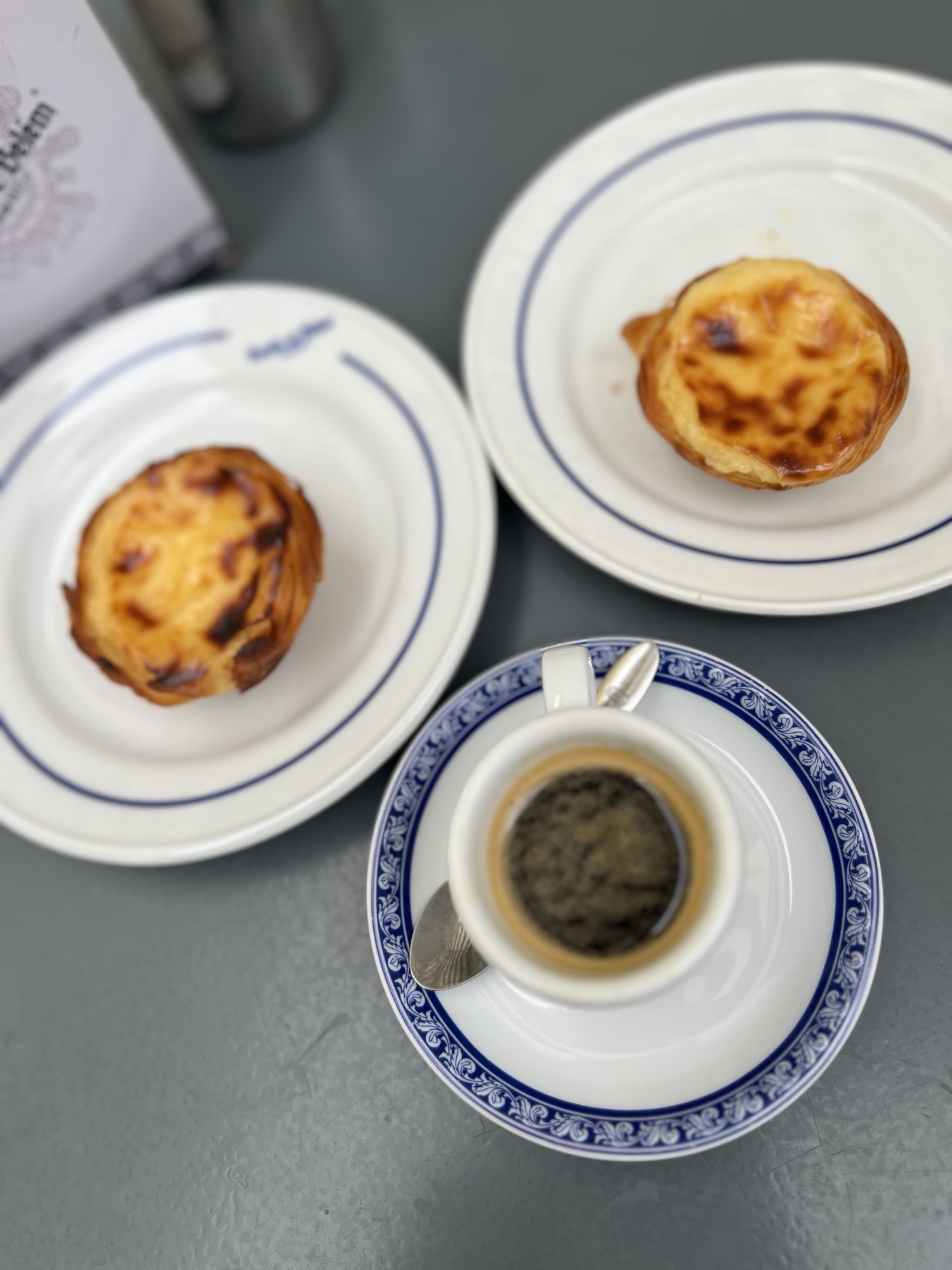
I asked a server if the fabled “secret recipe” was real. They just smiled, a knowing look in their eyes, and said, “If we told you, it would not be a secret anymore.” Since the opening of Fábrica de Pastéis de Belém, the original recipe that inspired pastel de nata varieties has been kept in a secret room . The shop sells over 20,000 pastéis a day- I reckon they sell more considering the volume of tourists coming. If we do the math, I a single person consumed 3 pastels, now let us just say that the average consume 2 pastels, then surely they can sell more than 20K.
What to Expect: A Sensory Experience
A visit to Pastéis de Belém is not just about eating a pastry; it is a full cultural experience.
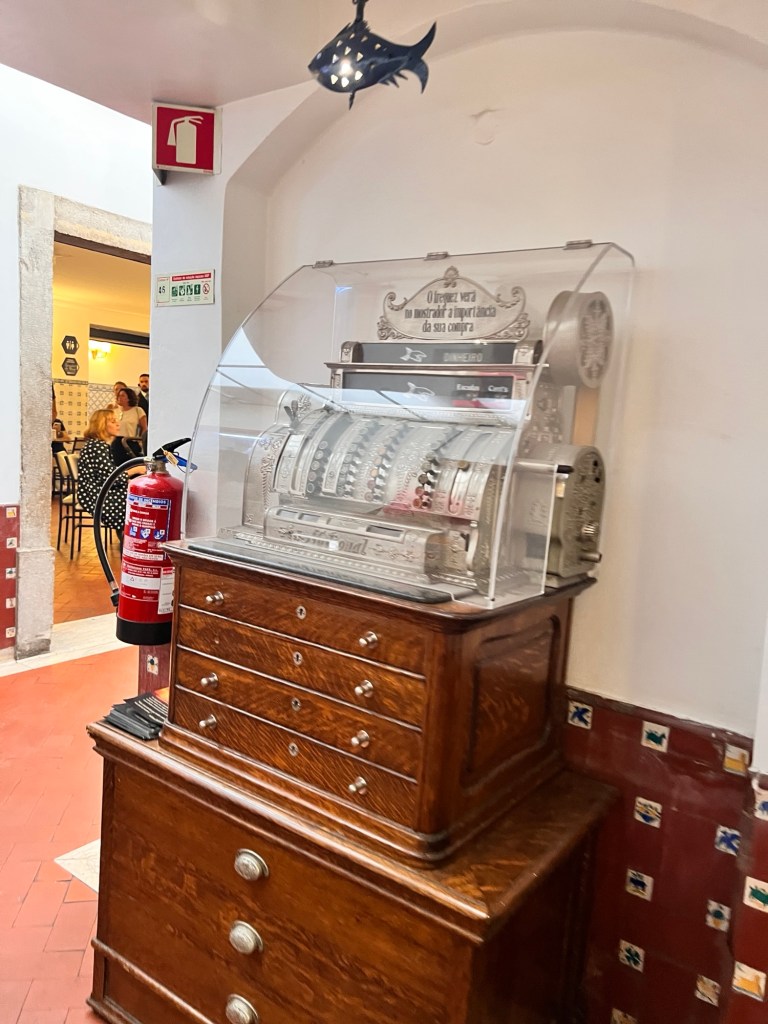
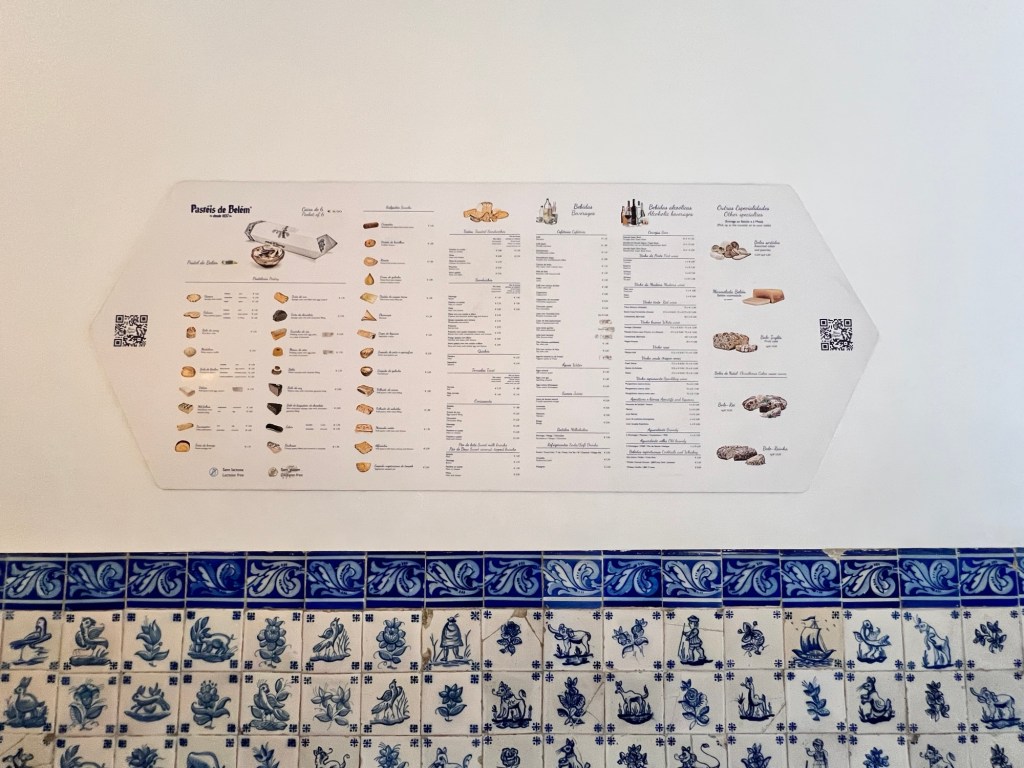
- The Atmosphere: The interior of Pastéis de Belém is a time capsule. The ambiance transports you back in time with its traditional Portuguese tiles and elegant décor.
- The Taste: The most common way to eat a pastel de nata is warm, as the heat makes the custard even creamier and the pastry perfectly crisp . The combination of the rich, eggy custard and the flaky crust is an unforgettable duo.
- The Ritual: It is customary to enjoy a bica (a strong Portuguese espresso) alongside the tart . The slight bitterness of the coffee is a perfect companion to the sweet custard.
- The Price: For a taste of history and one of the best pastries in the world, the price is incredibly reasonable.
A Final Word of Advice
Walking out of Pastéis de Belém with a dusting of cinnamon on my shirt, I felt I had finally unlocked a piece of the real Lisbon. It was more than just a dessert; it was a tangible piece of history, a testament to the ingenuity of 18th-century monks, and a secret passed down through generations .
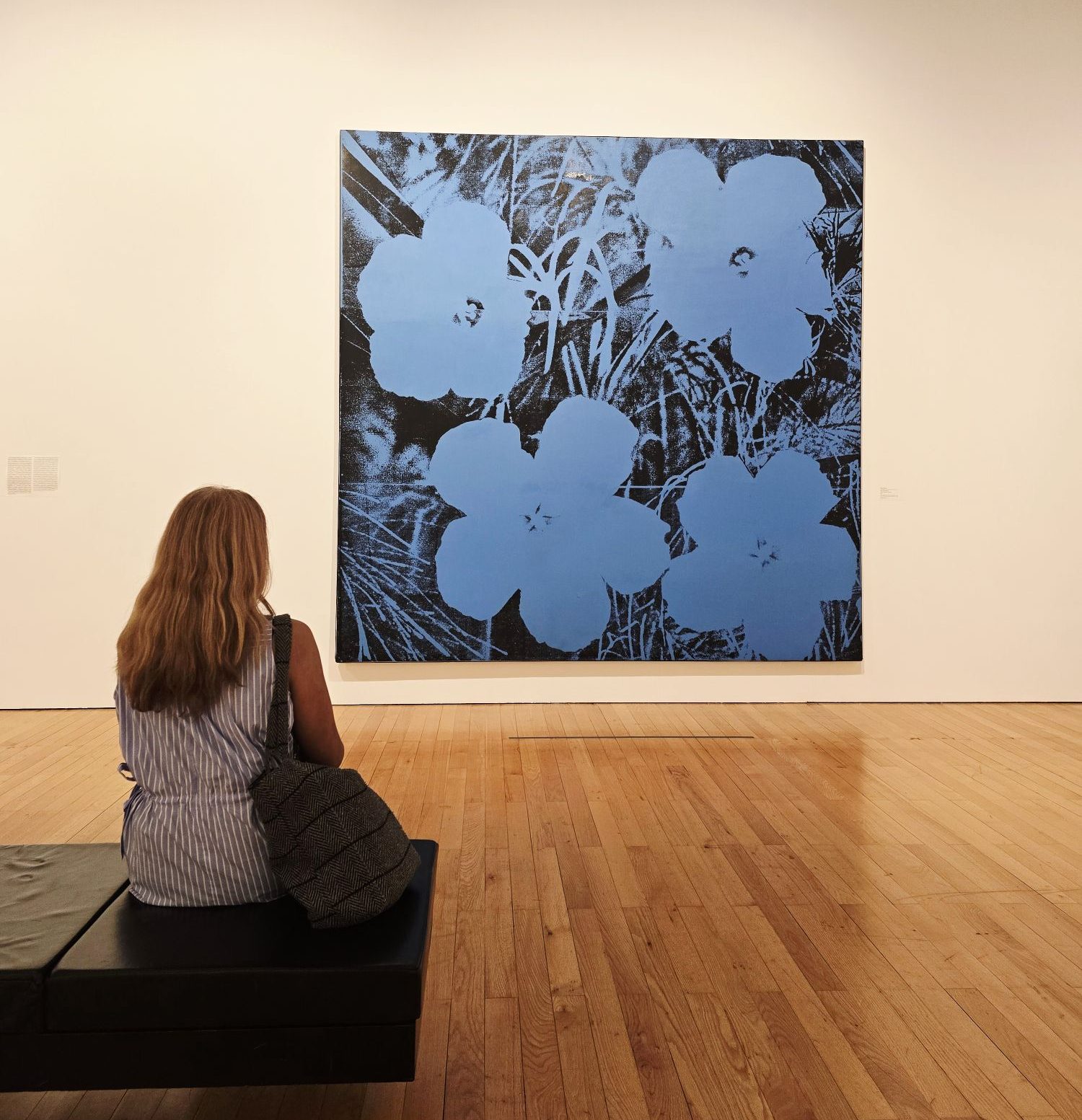
So, if you ever find yourself in Lisbon, perhaps taking a photo at the Santa Justa Lift or walking through the Chiado district or appreciating the exhibits at Museum of Contemporary Art at the Centro Cultural de Belém (MAC/CCB) do not make the mistake I almost made. Venture to Belém, wait in line if you must, and taste the original pastel de nata. In 2009, The Guardian listed pastéis de Belém as one of the 50 “best things to eat” in the world, and in 2011, it was announced as one of Portugal’s Seven Wonders of Gastronomy . It might just be the most memorable part of your trip.
Saude!
-Arlyn


Leave a Reply